

Pain & Musculoskeletal Health
Morton's Neuroma
Personalized Care Supporting Recovery from Forefoot Pain and Nerve Irritation
Overview
Understanding Morton's Neuroma
Morton's Neuroma involves thickening of the tissue around a nerve between the toes, typically causing pain, burning, or numbness in the ball of the foot.
The condition commonly affects the space between the third and fourth toes, where compression and repetitive loading may irritate the digital nerve. Tight footwear, high heels, and activities involving prolonged forefoot loading are common contributors.
An individualized evaluation helps clarify which structures are involved and what is contributing to the nerve irritation, so that treatment can address both symptoms and the underlying factors affecting recovery.
Symptoms
Common Symptoms of Morton's Neuroma
Symptoms present differently from person to person. The symptoms below are commonly associated with this condition — though not every patient will experience all of them.
Possible Causes
What May Be Contributing to Your Morton's Neuroma
This condition rarely has a single cause. The following factors are commonly involved — and many patients have more than one contributing to their symptoms.
Tight or Narrow Footwear
A narrow toe box or high heels can compress the intermetatarsal space, increasing pressure on the plantar digital nerves.
Repetitive Forefoot Loading
Running, jumping, court sports, or prolonged standing increase load on the ball of the foot and can irritate the nerve.
Foot Mechanics & Alignment
Flat feet, high arches, bunions, hammertoes, or a longer second toe (Morton toe) may alter spacing and increase local stress.
Previous Trauma or Irritation
Injury, inflammation, or repetitive microtrauma may lead to nerve irritation and perineural thickening.
Transverse Ligament or Bursa Involvement
Thickening of the intermetatarsal ligament or inflamed bursa can further narrow the space around the nerve.
Occupational Demands
Jobs requiring long hours on the feet or dress shoes with narrow toe boxes may increase risk.
Inadequate Cushioning
Minimal shoe padding or hard training surfaces may contribute to forefoot strain.
Body Weight & Load
Higher loads across the forefoot can increase compression of sensitive tissues.
Coexisting Nerve Sensitivity
Systemic factors affecting nerves may heighten sensitivity and make symptoms more noticeable.
A Different Framework
The Chinese Medicine Perspective on Morton's Neuroma
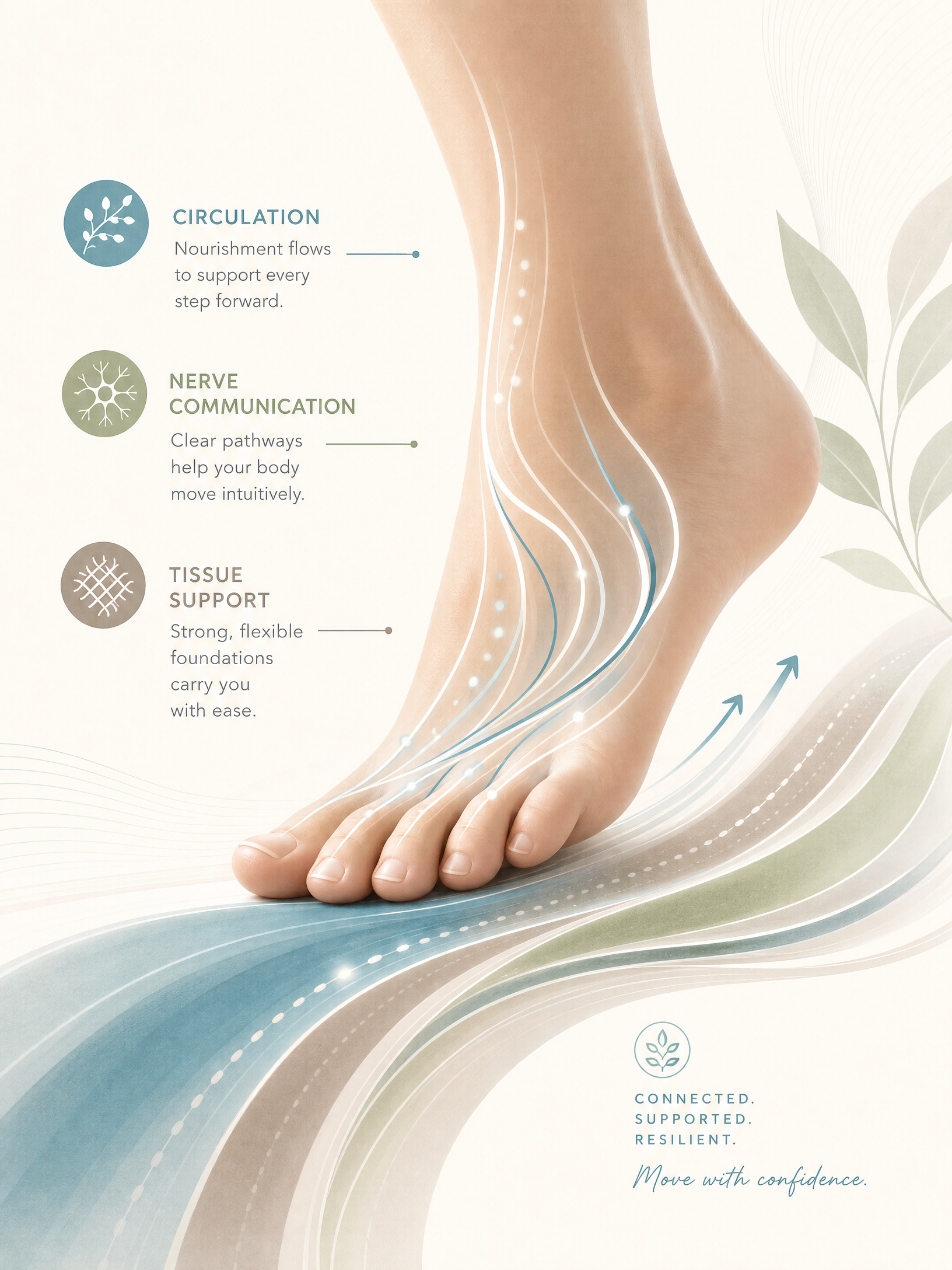
Chinese Medicine views Morton's Neuroma as an obstruction of Qi and Blood through the channels of the foot, often accompanied by local stagnation and Dampness accumulation.
The Stomach, Spleen, Liver, and Gallbladder channels all traverse the forefoot. Obstruction of these channels from compression, repetitive loading, or constitutional patterns may contribute to nerve irritation and pain.
Treatment focuses on restoring healthy circulation while supporting nerve function and reducing the accumulation of Dampness and stagnation in the affected area.
Care is individualized based on your presentation, with the goals of reducing obstruction, calming irritated tissues, improving comfortable movement, and supporting the body's capacity to heal.
Our Approach
How Blue Root Health Approaches Morton's Neuroma
Morton's Neuroma develops through compression, repetitive loading, and tissue vulnerability. Our approach is designed to identify what is driving your specific pattern and address it accordingly.
Clarify the Pain Source
We evaluate whether symptoms point to the digital nerve, metatarsal joints, plantar plate, or surrounding soft tissue.
Reduce Nerve Irritation
Initial treatment focuses on calming nerve irritation, reducing inflammation, and improving comfortable forefoot function.
Address Footwear and Mechanics
Footwear selection, toe box width, orthotics, and forefoot loading patterns are reviewed and addressed as part of the plan.
Support Tissue Mobility
Care is designed to improve tissue flexibility, reduce adhesions, and support comfortable movement through the forefoot.
Modify Load and Activity
Activity demands, training load, and surfaces are reviewed to reduce repetitive compression and support recovery.
Support Nerve Recovery
When chronic nerve irritation is present, treatment is directed toward circulation, tissue health, and nerve function.
Therapies
Therapies We May Recommend for Morton's Neuroma
The therapies below are commonly used in the care of Morton's Neuroma at Blue Root Health. Not every therapy is appropriate for every patient — your care plan is individualized based on your specific pattern, diagnosis, and goals.
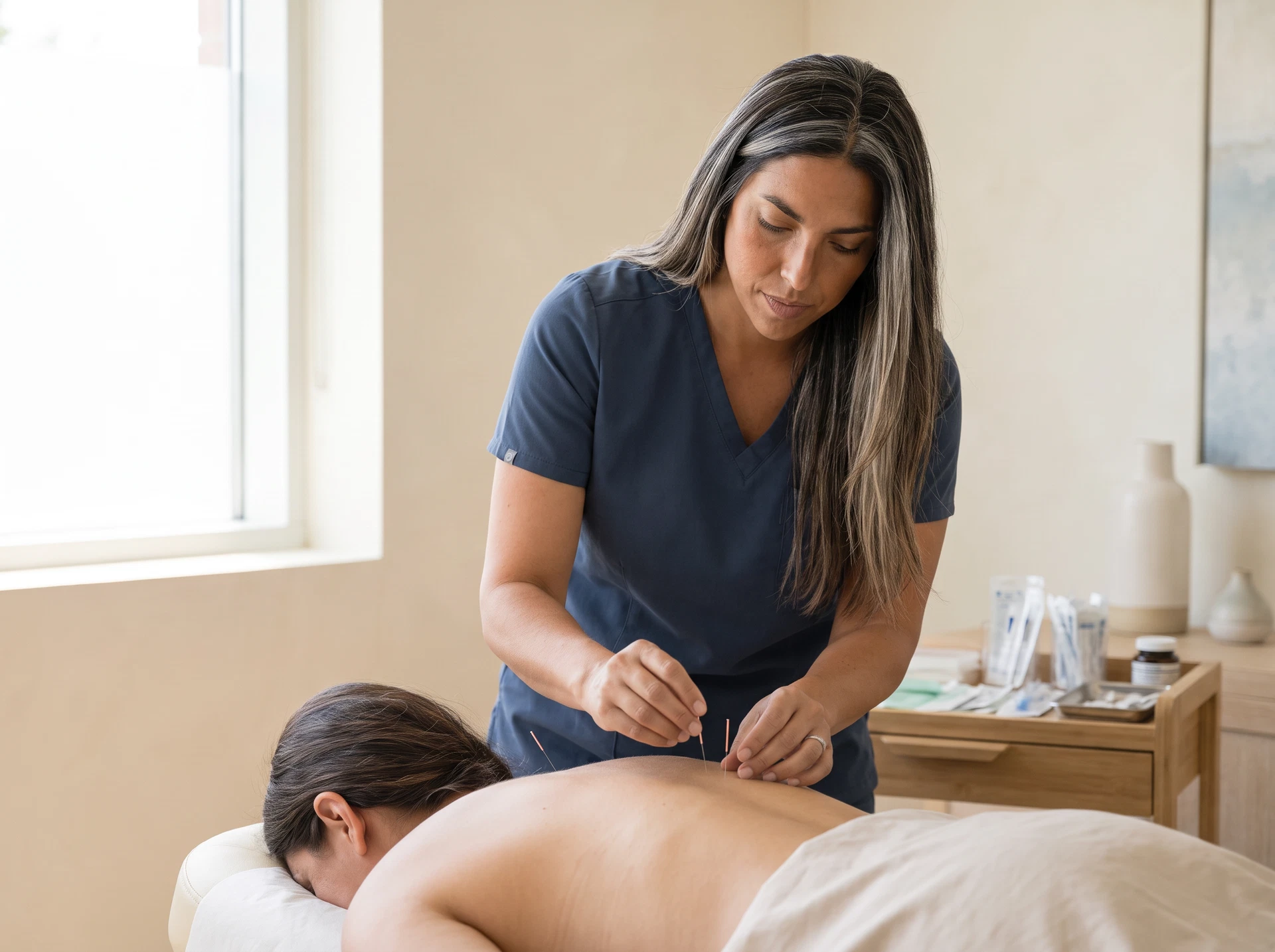
Acupuncture
May help reduce pain, relax muscular tension, improve circulation, regulate the nervous system, and support healthy movement.

Custom Chinese Herbal Medicine
A personalized herbal formula may be recommended when internal patterns such as chronic inflammation, impaired circulation, or persistent tension are contributing.

Injection Therapy
May be incorporated when localized muscles, fascia, ligaments, joints, or irritated tissues require more targeted support.
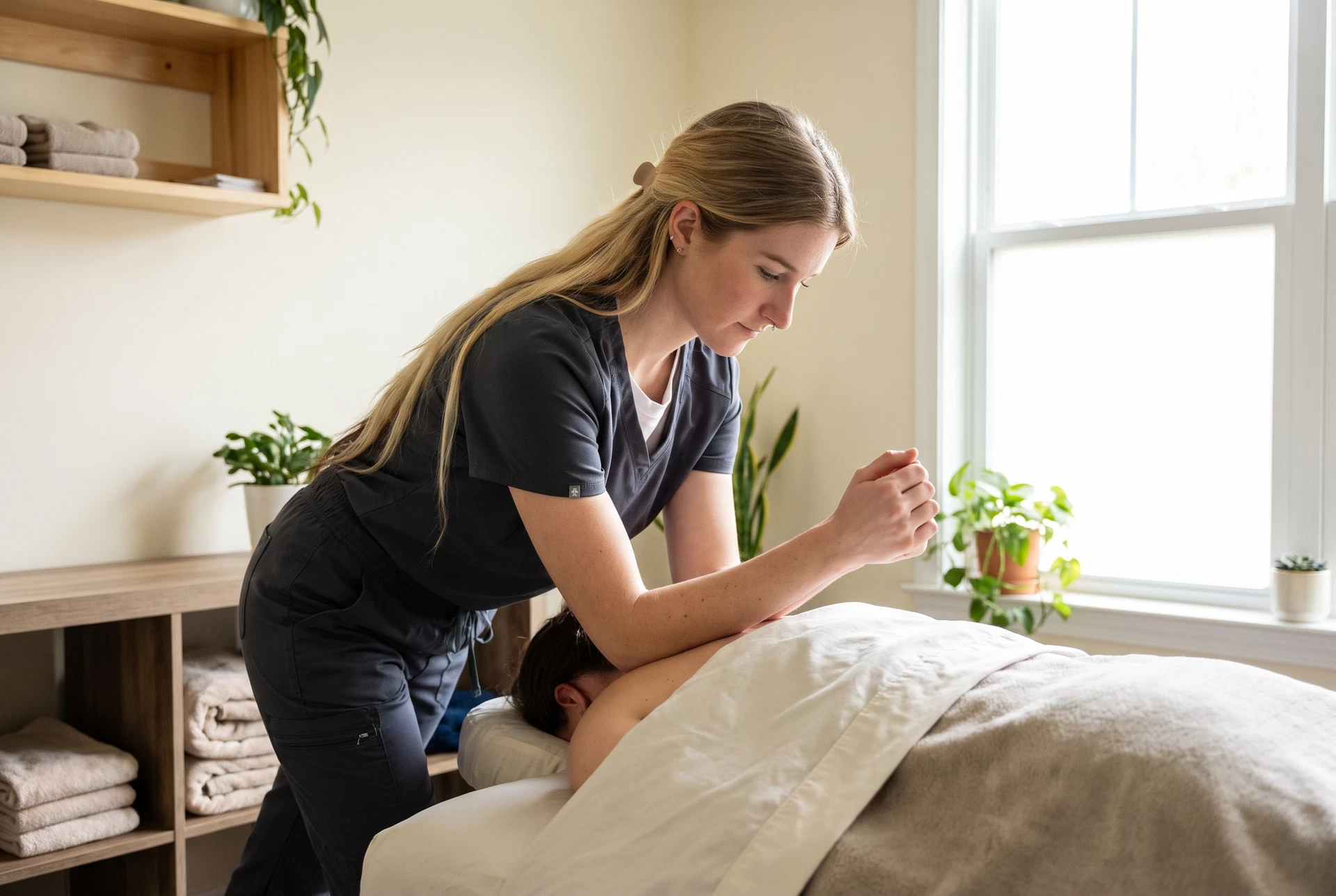
Therapeutic Massage
May help reduce muscular tension, improve mobility, and support recovery when it is appropriate for the diagnosis and stage of healing.
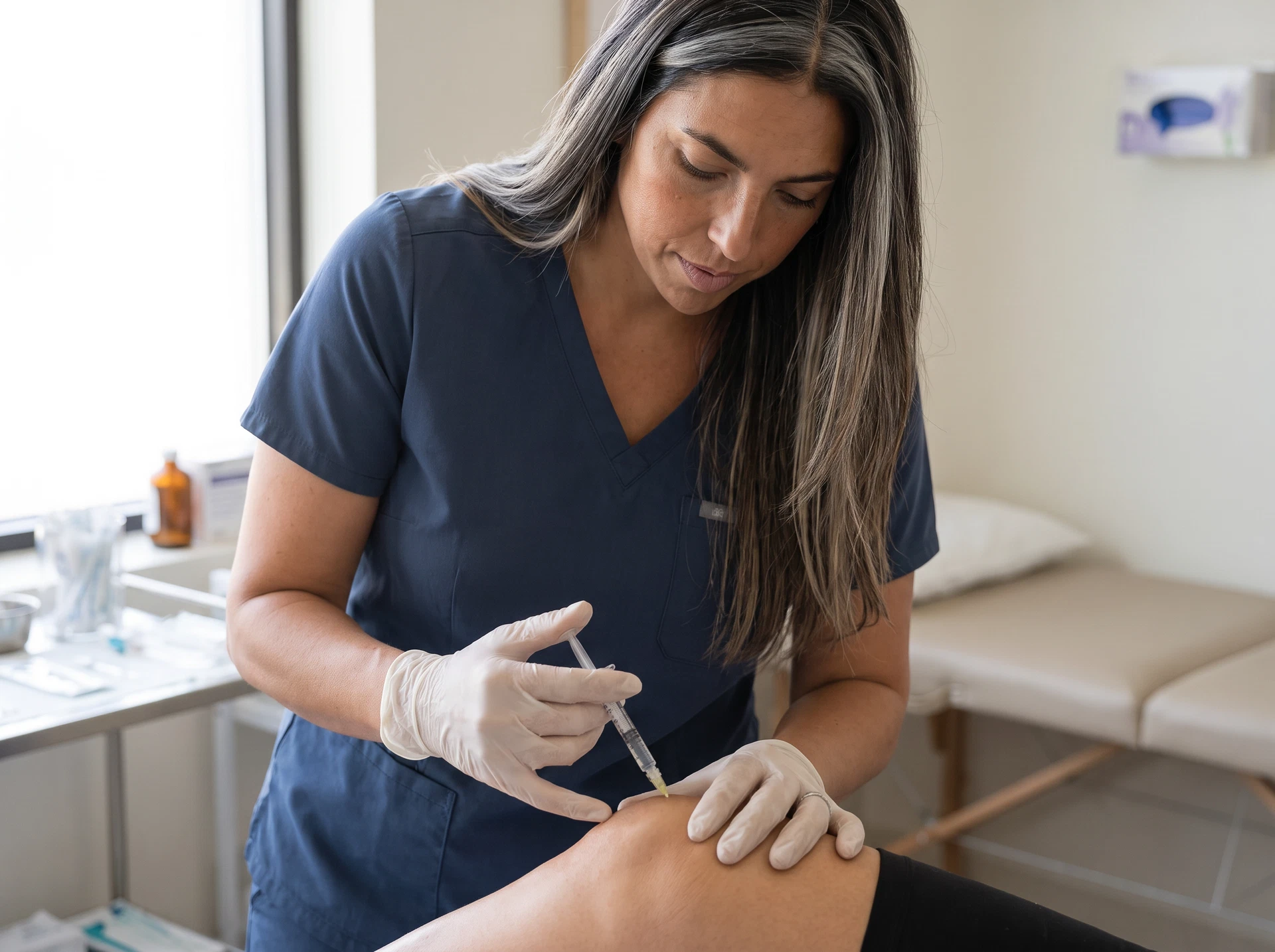
Prolozone Therapy
May be considered when chronic ligament or joint dysfunction is contributing to symptoms and the treatment is clinically appropriate.
Frequently Asked Questions
Common Questions About Morton's Neuroma
Related Conditions
You May Also Want to Explore

Begin Your Healing Journey
Let's Help You Walk Comfortably Again
Foot pain can limit your mobility and quality of life. We will listen to your story, evaluate the factors contributing to your symptoms, and create a personalized plan designed to reduce nerve irritation, improve comfort, and support lasting recovery.