

Pain & Musculoskeletal Health
Bursitis
Personalized Care Supporting Recovery from Bursal Inflammation
Overview
Understanding Bursitis
Bursitis is inflammation of a bursa — a small fluid-filled sac that cushions and reduces friction between bones, tendons, and muscles near joints. Common locations include the shoulder, hip, knee, and elbow.
Symptoms typically include localized pain, tenderness, swelling, and reduced range of motion. The pain may worsen with movement or pressure on the affected area.
Understanding which bursa is involved and what is contributing to the inflammation helps ensure that treatment is appropriately targeted and individualized to support lasting recovery.
Symptoms
Common Symptoms of Bursitis
Symptoms present differently from person to person. The symptoms below are commonly associated with this condition — though not every patient will experience all of them.
Possible Causes
What May Be Contributing to Your Bursitis
This condition rarely has a single cause. The following factors are commonly involved — and many patients have more than one contributing to their symptoms.
Repetitive Movement & Overuse
Repeated friction or compression of a bursa during work, exercise, or daily activities can irritate and inflame the tissue.
Injuries or Falls
A direct blow or sudden strain around a joint may trigger inflammation in the nearby bursa.
Arthritis & Joint Changes
Underlying osteoarthritis or inflammatory arthritis can alter joint mechanics and contribute to bursitis.
Muscle Imbalance
Weakness, tightness, or coordination changes can increase pressure on a bursa and affect healthy movement.
Poor Biomechanics or Posture
Gait changes, postural strain, or suboptimal technique may increase friction over sensitive tissues.
Occupational or Sports Activities
Frequent kneeling, leaning on elbows, overhead work, or repetitive motions raise the risk of local irritation.
External Pressure & Friction
Sustained pressure from surfaces, equipment, or tight gear can aggravate the area around a bursa.
Age-Related Tissue Changes
Natural changes in connective tissue resilience may make bursae more susceptible to irritation.
Systemic Inflammation
Conditions such as gout or rheumatoid arthritis may contribute to recurrent or persistent bursitis.
A Different Framework
The Chinese Medicine Perspective on Bursitis
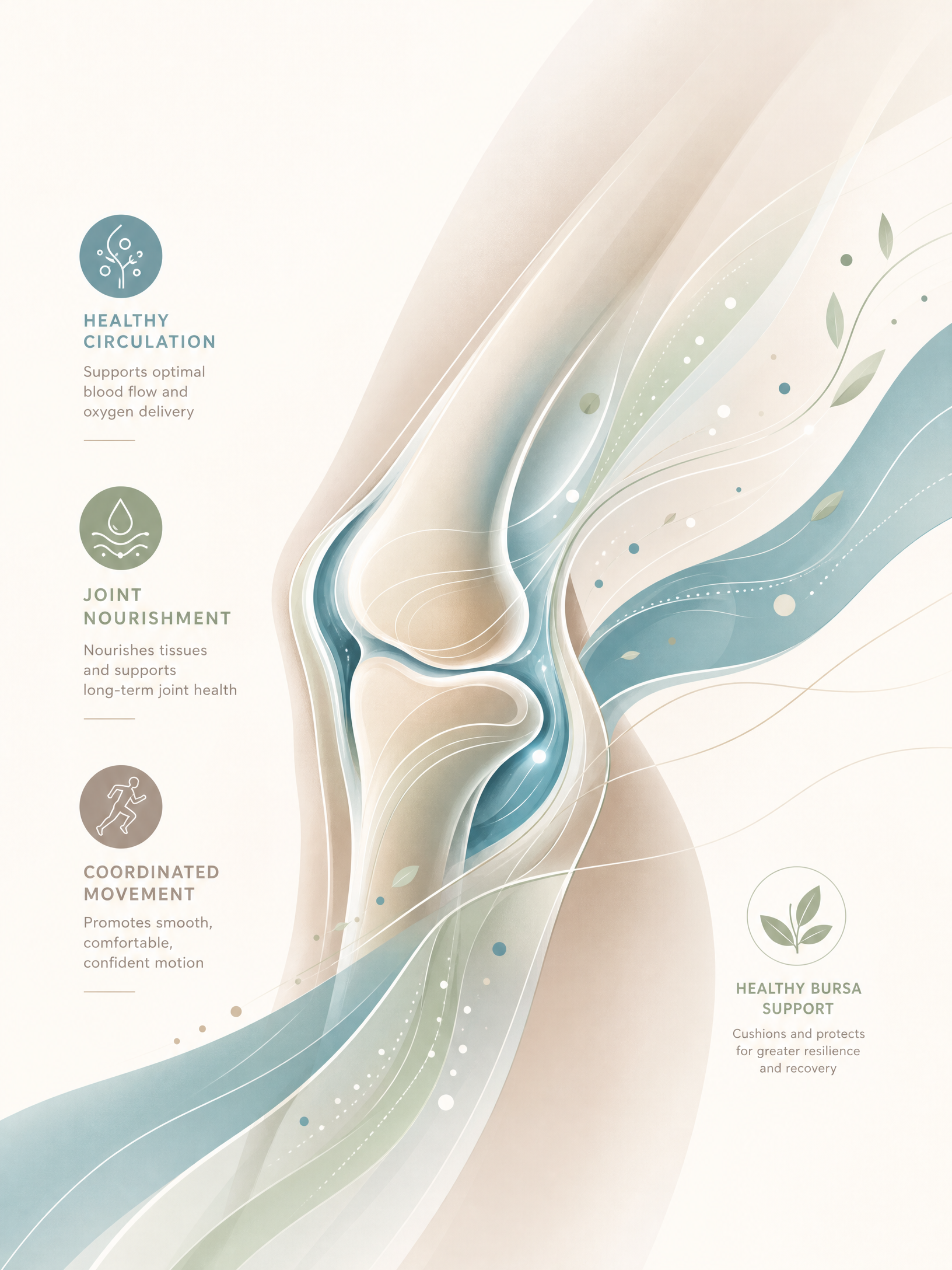
Chinese Medicine recognizes bursitis as an obstruction of Qi and Blood often accompanied by Dampness and inflammation.
The location and quality of pain, the movements that aggravate symptoms, and the patient's broader health pattern help identify the channels involved and guide treatment.
Treatment focuses on restoring healthy circulation while reducing local inflammation, Dampness accumulation, and the obstruction contributing to pain and restricted movement.
Care is individualized according to each patient's presentation, with the goal of reducing inflammation, improving circulation, and supporting tissue recovery.
Our Approach
How Blue Root Health Approaches Bursitis
Bursitis develops through repetitive strain, overuse, direct trauma, or underlying joint dysfunction. Our approach is designed to identify what is driving your specific pattern and address it accordingly.
Clarify the Affected Bursa and Contributing Factors
We begin by identifying which bursa is involved, the severity of inflammation, and whether joint dysfunction, overuse, or systemic factors are contributing.
Reduce Inflammation and Pain
Initial treatment focuses on calming bursal inflammation, reducing pain, and restoring comfortable movement.
Support Tissue Recovery
When chronic inflammation or repeated irritation is present, treatment is directed toward circulation, tissue health, and recovery.
Address Mechanical Contributors
Joint mechanics, muscle imbalances, posture, and activity demands are reviewed and addressed as part of the plan.
Restore Comfortable Function
Care is designed to improve range of motion, reduce pain with daily activities, and support return to normal function.
Reduce Recurrence
As symptoms improve, treatment shifts toward maintaining function and addressing the patterns that may contribute to repeated flare-ups.
Therapies
Therapies We May Recommend for Bursitis
The therapies below are commonly used in the care of Bursitis at Blue Root Health. Not every therapy is appropriate for every patient — your care plan is individualized based on your specific pattern, diagnosis, and goals.

Acupuncture
May help reduce pain, relax muscular tension, improve circulation, regulate the nervous system, and support healthy movement.

Custom Chinese Herbal Medicine
A personalized herbal formula may be recommended when internal patterns such as chronic inflammation, impaired circulation, or persistent tension are contributing.

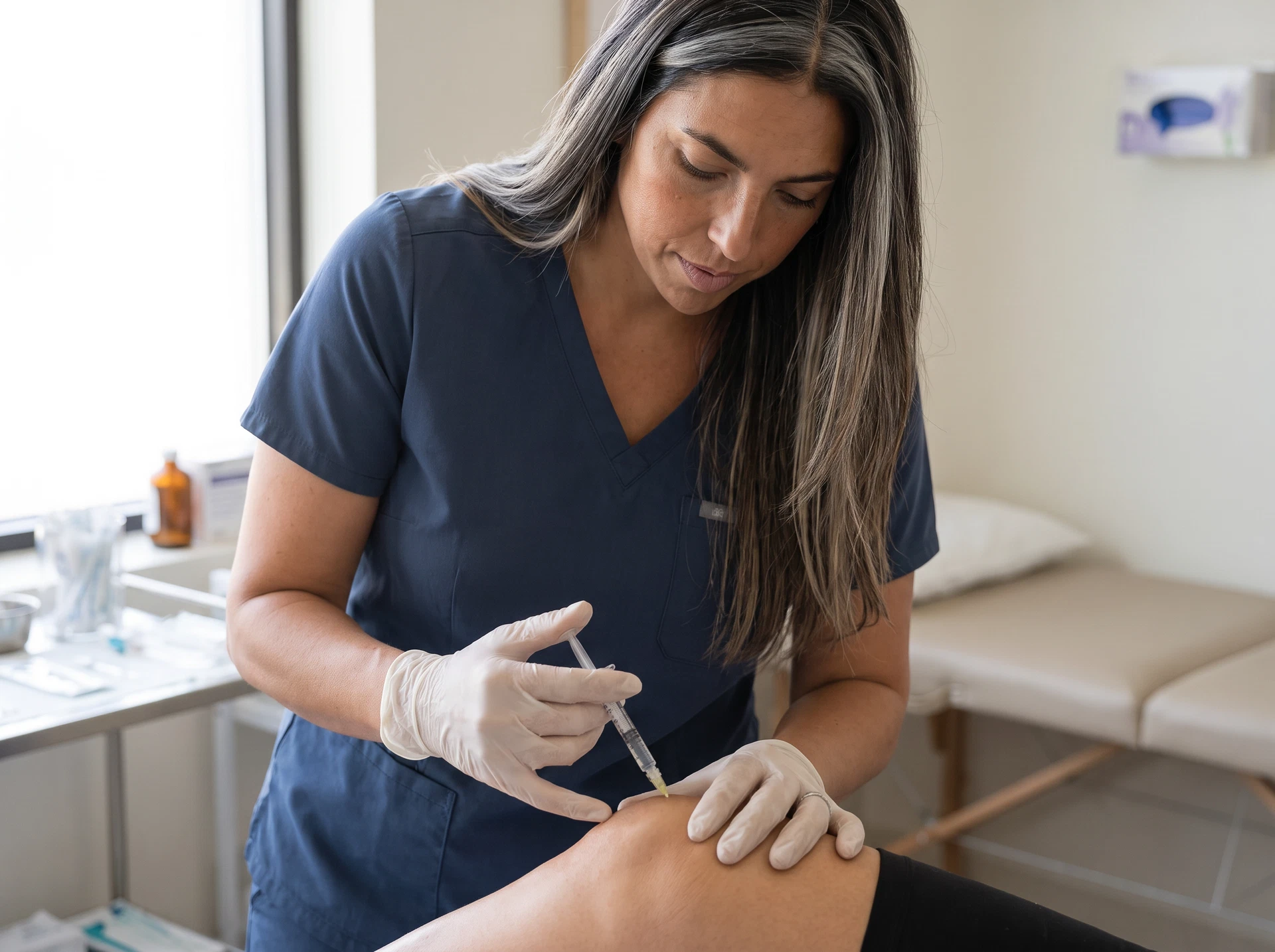
Injection Therapy
May be incorporated when localized muscles, fascia, ligaments, joints, or irritated tissues require more targeted support.
Prolozone Therapy
May be considered when chronic ligament or joint dysfunction is contributing to symptoms and the treatment is clinically appropriate.

Therapeutic Massage
May help reduce muscular tension, improve mobility, and support recovery when it is appropriate for the diagnosis and stage of healing.
Frequently Asked Questions
Common Questions About Bursitis
Related Conditions
You May Also Want to Explore

Begin Your Healing Journey
Ready to Move Comfortably Again?
Bursitis pain can make even simple movements feel difficult. We will listen to your story, evaluate the factors contributing to your symptoms, and create a personalized plan designed to reduce inflammation, restore comfortable movement, and support lasting recovery.