
Pain & Musculoskeletal Health
Knee Pain
Helping You Walk, Move, and Stay Active Through Personalized Integrative Care
Let's help you get back to doing what you enjoy. We will listen to your story, evaluate the factors contributing to your symptoms, and create a personalized plan designed to reduce pain, restore comfortable movement, and support lasting recovery.
Overview
Understanding Knee Pain
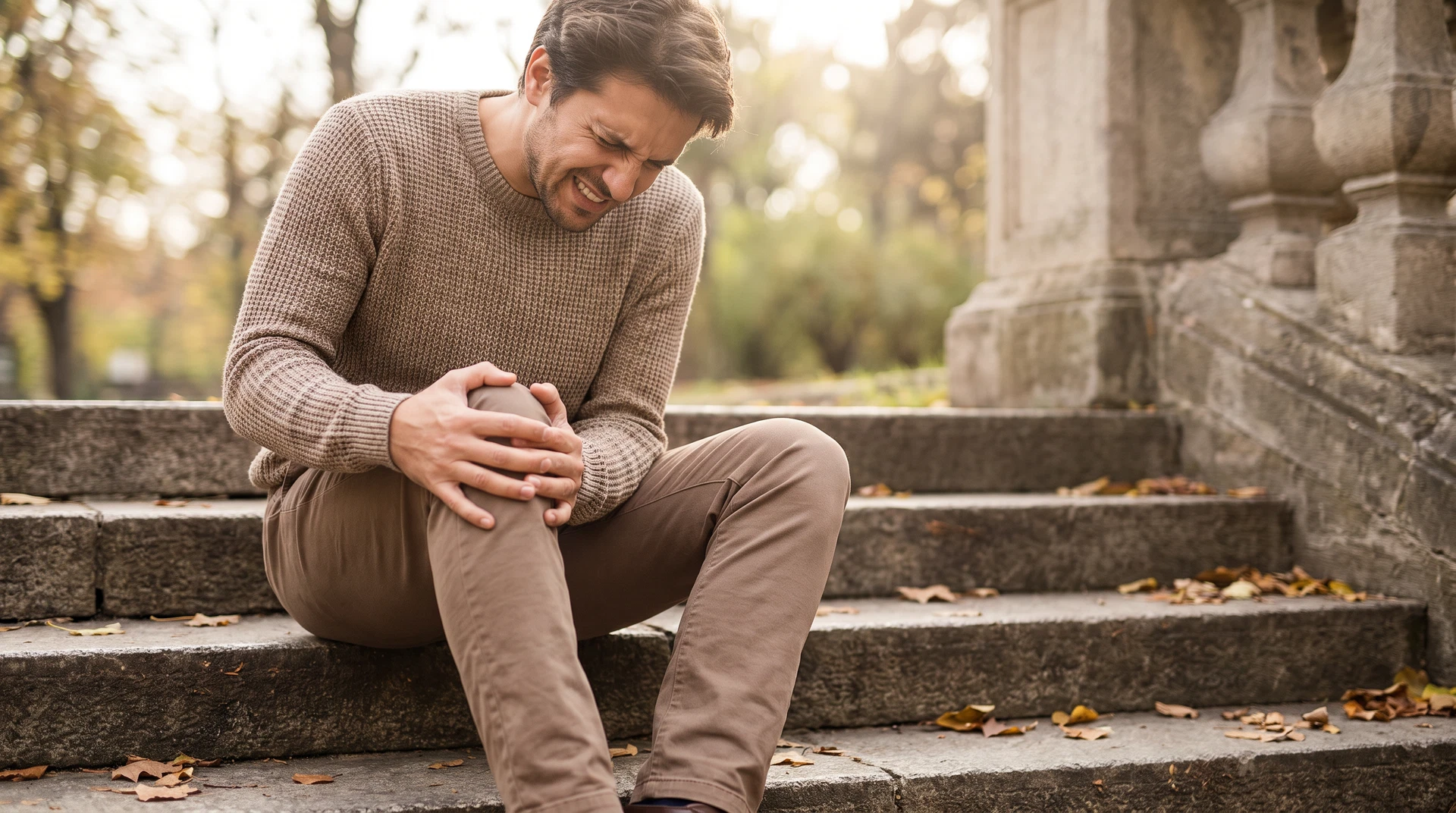
Knee pain is one of the most common musculoskeletal complaints. It may develop after an acute injury or gradually through overuse, degeneration, or changes in movement patterns. The knee is a complex joint supported by cartilage, ligaments, tendons, muscles, and bursae — any of which may be involved.
Symptoms may be felt directly in the joint or along the surrounding structures. Pain with stairs, swelling after activity, stiffness in the morning, or instability during walking all offer important clues about the structures involved.
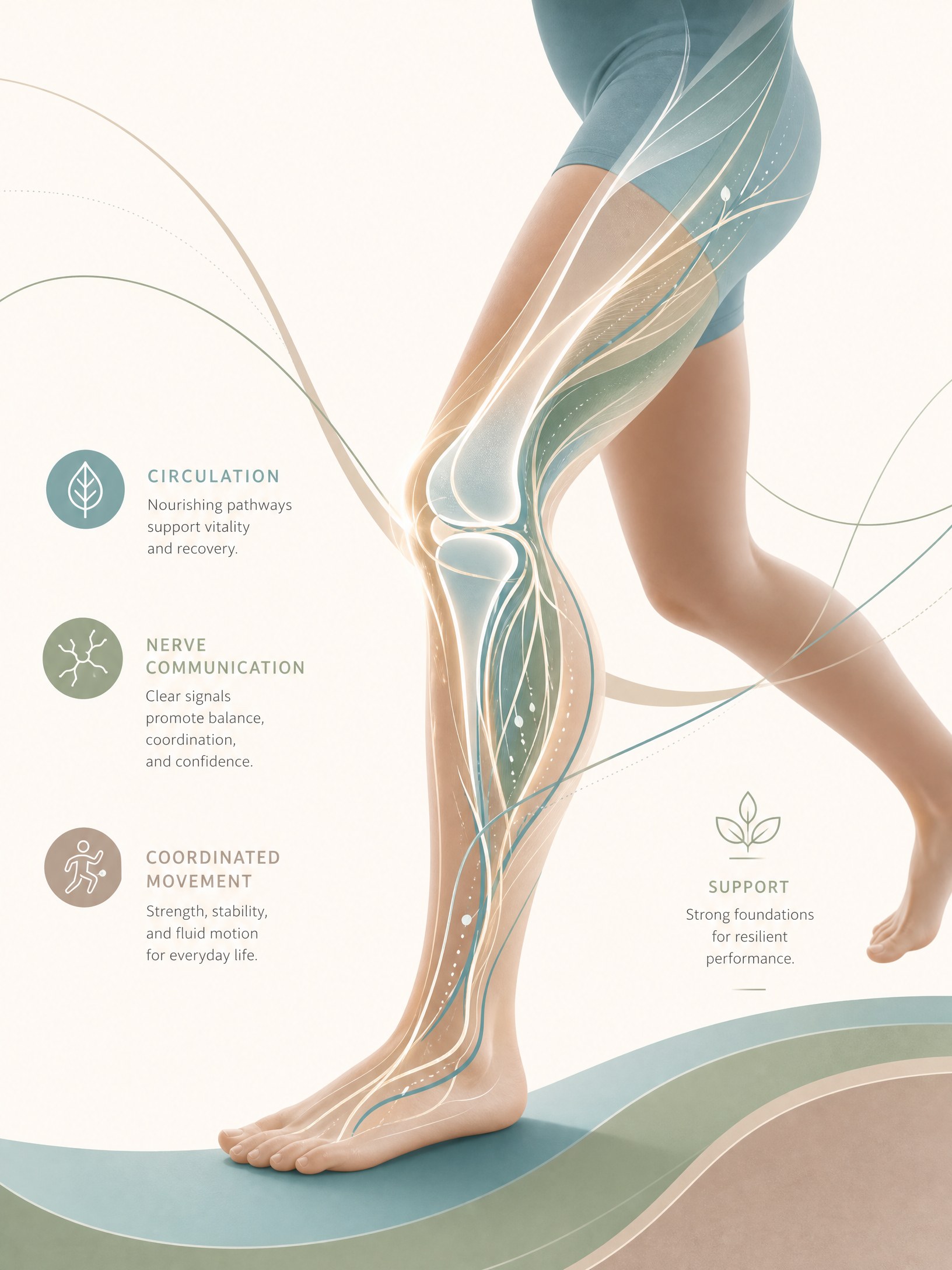
Understanding the relationship between the knee, hip, ankle, and overall movement patterns is essential when creating an individualized plan. Our goal is to identify what is driving your specific pattern and address it accordingly.
Symptoms
Common Symptoms
Knee pain presents differently from person to person. The symptoms below are commonly associated with knee conditions — though not every patient will experience all of them.
Possible Causes
What May Be Contributing
Knee pain rarely has a single cause. The following factors are commonly involved — and many patients have more than one contributing to their symptoms.
Arthritis
Osteoarthritis, rheumatoid arthritis, or post-traumatic arthritis may cause cartilage breakdown, inflammation, and progressive joint changes.
Ligament Injuries
Sprains or tears of the ACL, PCL, MCL, or LCL may affect stability and contribute to pain, swelling, and giving-way sensations.
Meniscus Tears
The menisci are shock-absorbing cartilage pads that may tear with twisting, squatting, or degenerative changes over time.
Patellofemoral Syndrome
Irritation of the cartilage under the kneecap may cause pain with stairs, squatting, and prolonged sitting.
Tendinopathy
Overuse or degeneration of the patellar or quadriceps tendon may cause pain with jumping, running, or stairs.
Bursitis
Inflammation of the bursae around the knee may cause localized swelling and tenderness.
Overuse & Biomechanics
Repetitive loading, training errors, foot mechanics, hip weakness, and movement patterns may contribute to chronic knee pain.
Previous Injuries
Prior trauma, surgery, or incomplete rehabilitation may affect joint mechanics and increase susceptibility to future symptoms.
Inflammation
Systemic or local inflammatory conditions may affect the joint lining, cartilage, and surrounding tissues.
A Different Framework
The Chinese Medicine Perspective on Knee Pain
Chinese Medicine views knee pain as a disruption in the healthy circulation of Qi and Blood through the channels. Trauma, chronic inflammation, Blood Stasis, Dampness, Kidney Deficiency, and muscular imbalance may all contribute.
The Kidney channel governs bone health and joint integrity in Chinese Medicine, making constitutional strength an important consideration in chronic or degenerative knee conditions.
Treatment is individualized according to each patient's presentation. The clinical focus is to restore healthy circulation, reduce obstruction, calm reactive tissues, improve comfortable movement, and support the body's ability to heal while addressing the broader pattern contributing to symptoms.
Our Approach
How Blue Root Health Approaches Knee Pain
Knee pain develops through many different pathways. Our approach is designed to identify what is driving your specific pattern and address it accordingly.
Clarify the Structures Involved
We evaluate which movements create symptoms and whether the pattern points toward the joint surfaces, ligaments, meniscus, tendons, muscles, patellofemoral tracking, or the influence of the hip and ankle.
Reduce Pain & Swelling
Treatment may focus on calming irritated tissues, easing protective muscular tension, and supporting healthy circulation.
Restore Comfortable Movement
Care is designed to improve range of motion, gait mechanics, squatting tolerance, and overall function.
Support Stability & Strength
Healthy knee function depends on the coordinated support of quadriceps, hamstrings, calves, gluteals, and the surrounding ligaments.
Address Contributing Patterns
Overuse, biomechanics, previous injuries, inflammation, and constitutional factors may influence recovery and are considered as part of the complete picture.
Create an Individualized Plan
Recommendations are based on your history, examination findings, goals, movement limitations, and overall health.
Therapies
Therapies We May Recommend for Knee Pain
The therapies below are commonly used in the care of knee pain at Blue Root Health. Not every therapy is appropriate for every patient — your care plan is individualized based on your specific pattern, diagnosis, and goals.
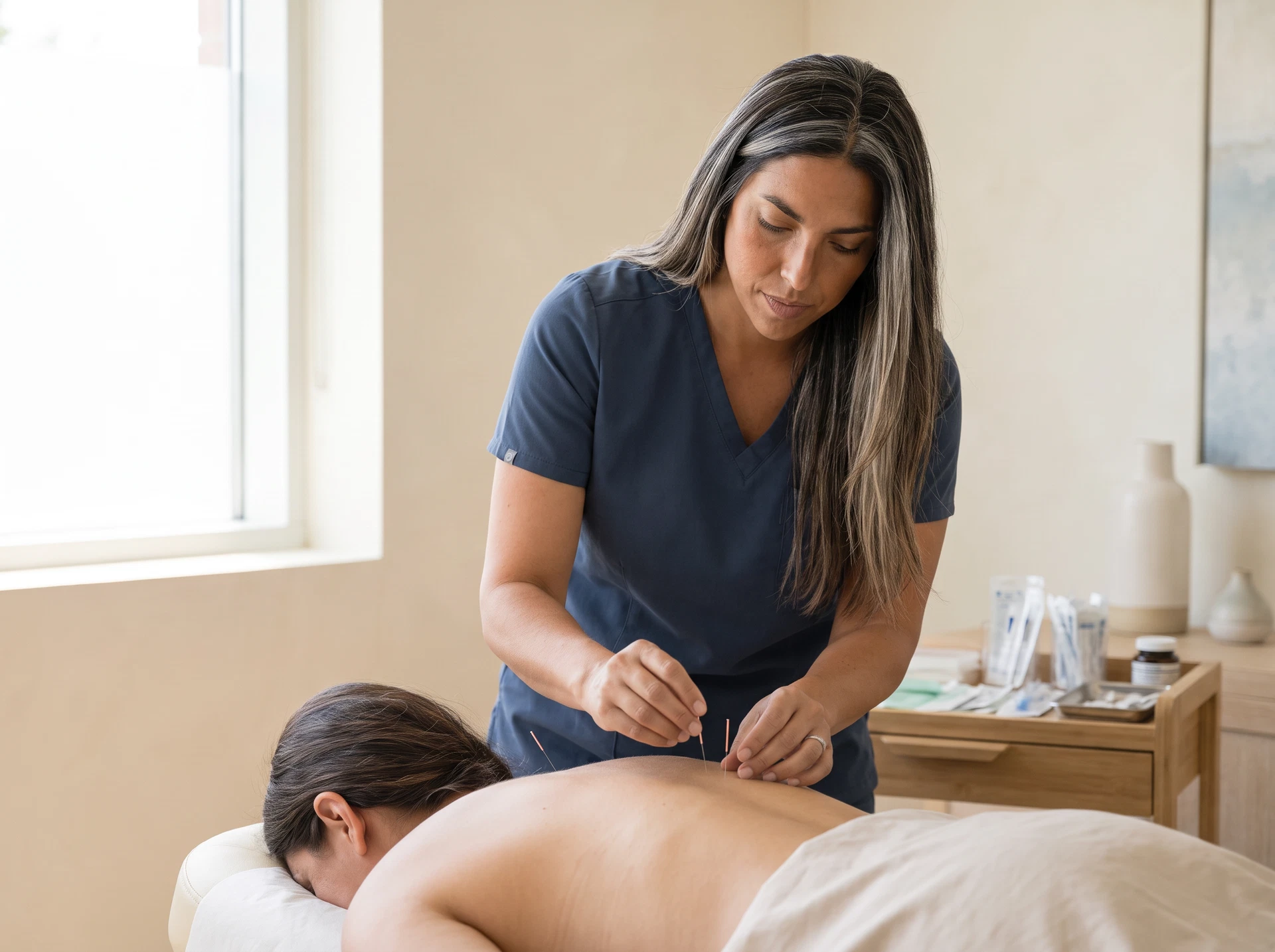
Acupuncture
May help reduce pain, relax muscular tension, support circulation, and improve comfortable movement.
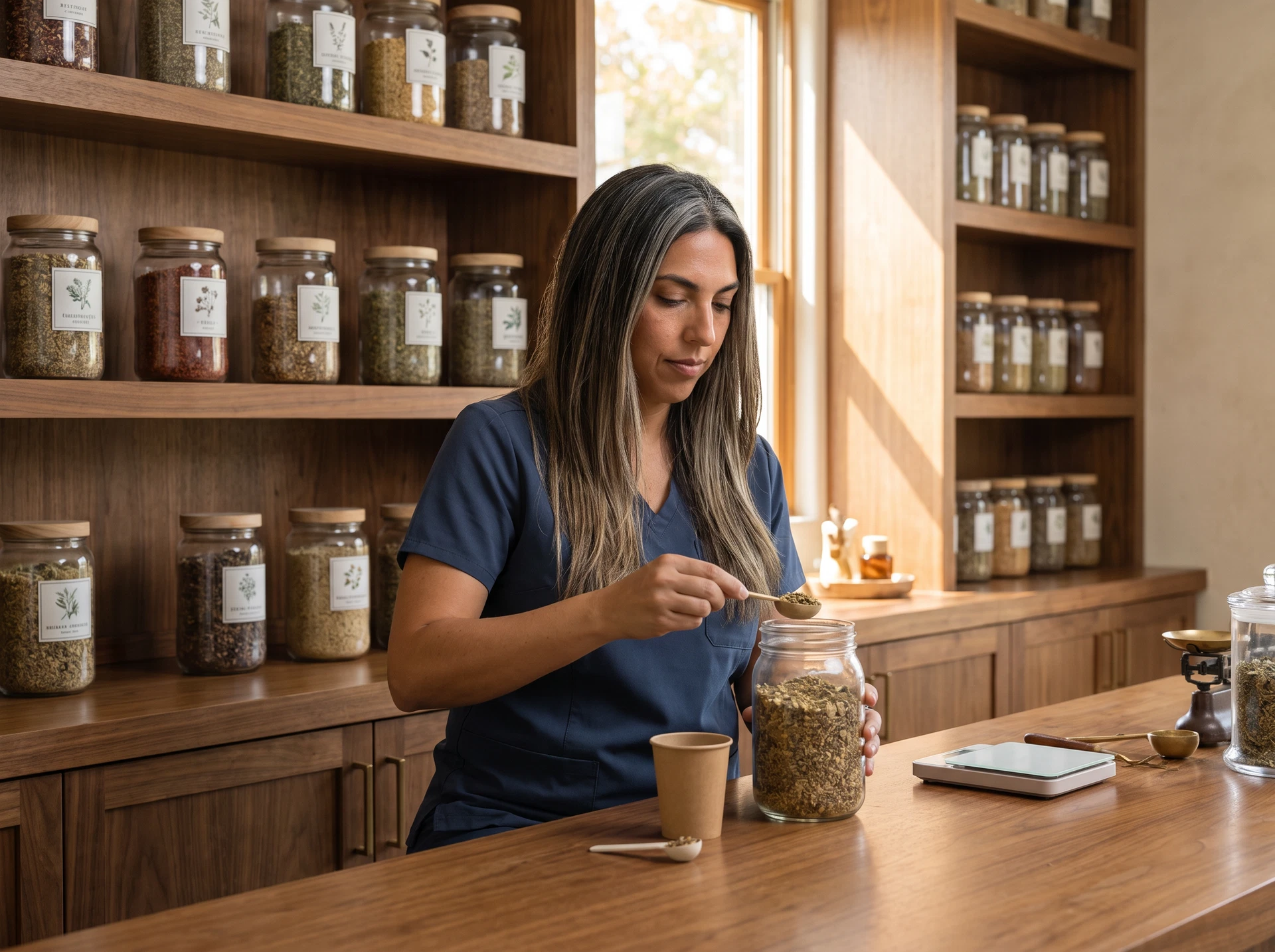
Custom Chinese Herbal Medicine
A personalized formula may be recommended to address patterns associated with inflammation, impaired circulation, and tissue nourishment.
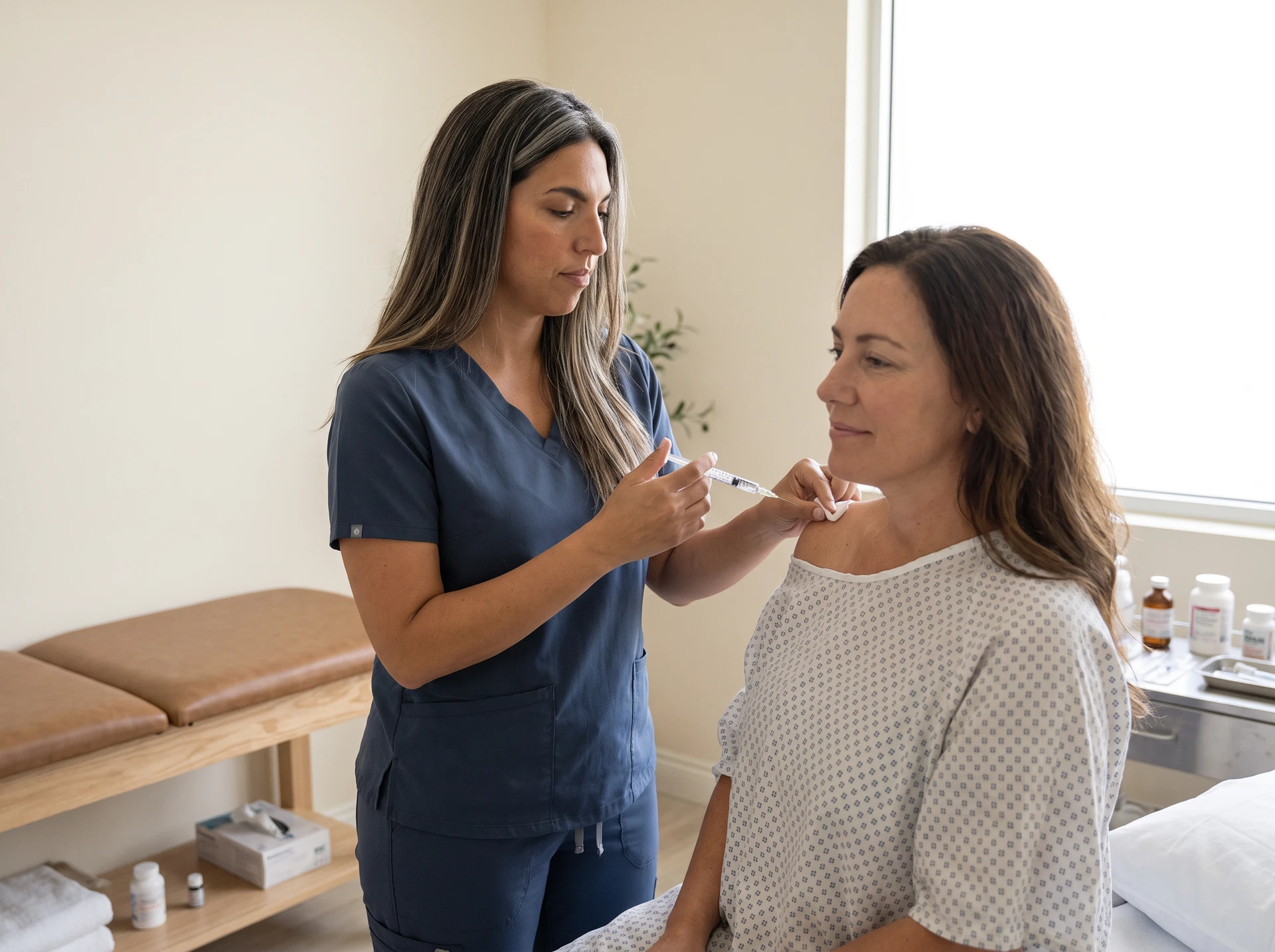
Injection Therapy
Targeted Injection Therapy may be considered for specific joint, ligament, or tissue areas when clinically appropriate. Common remedies may include Traumeel or Zeel.
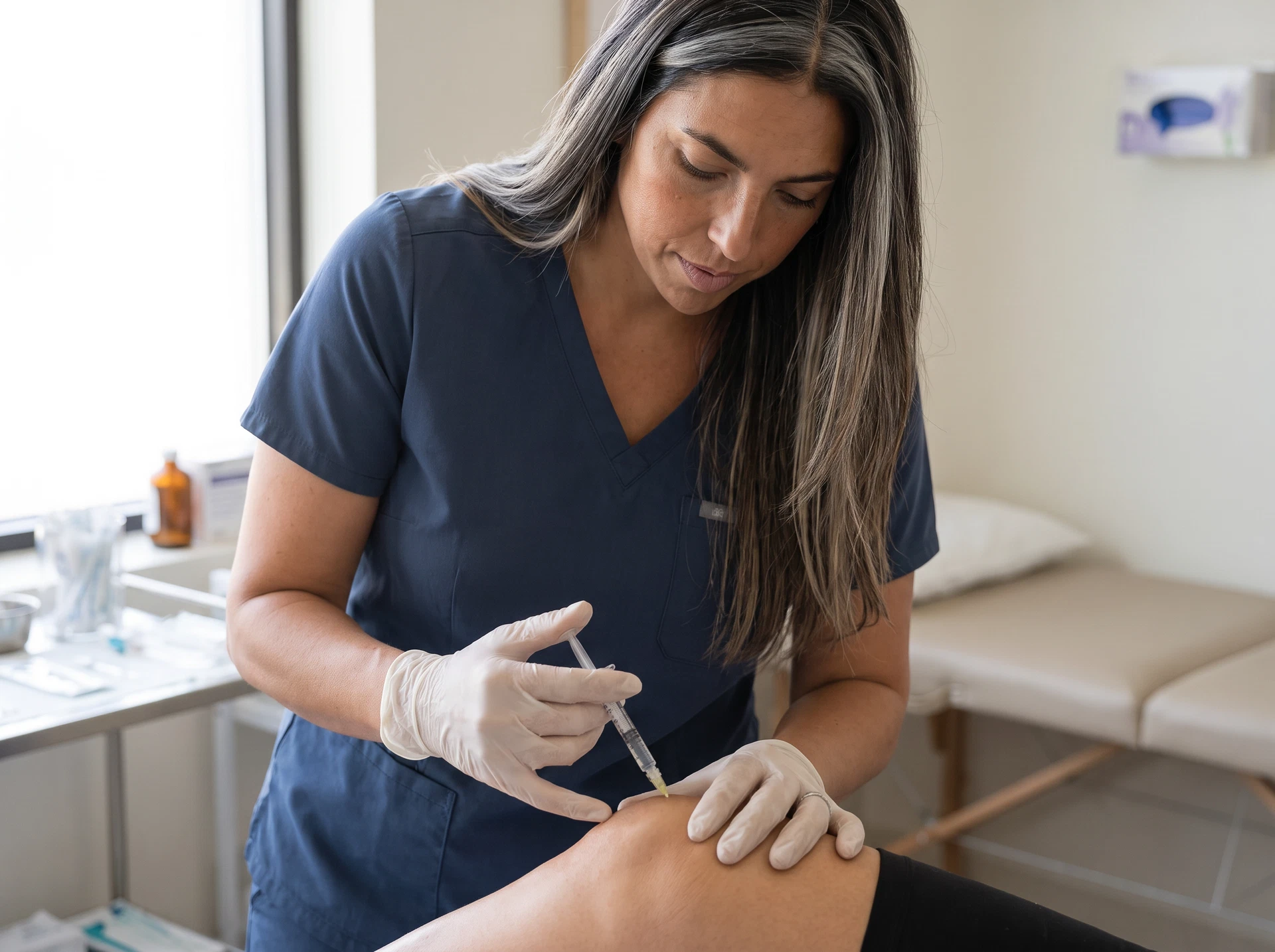
Prolozone Therapy
May be considered when ligament instability or chronic joint dysfunction is contributing to persistent knee pain.
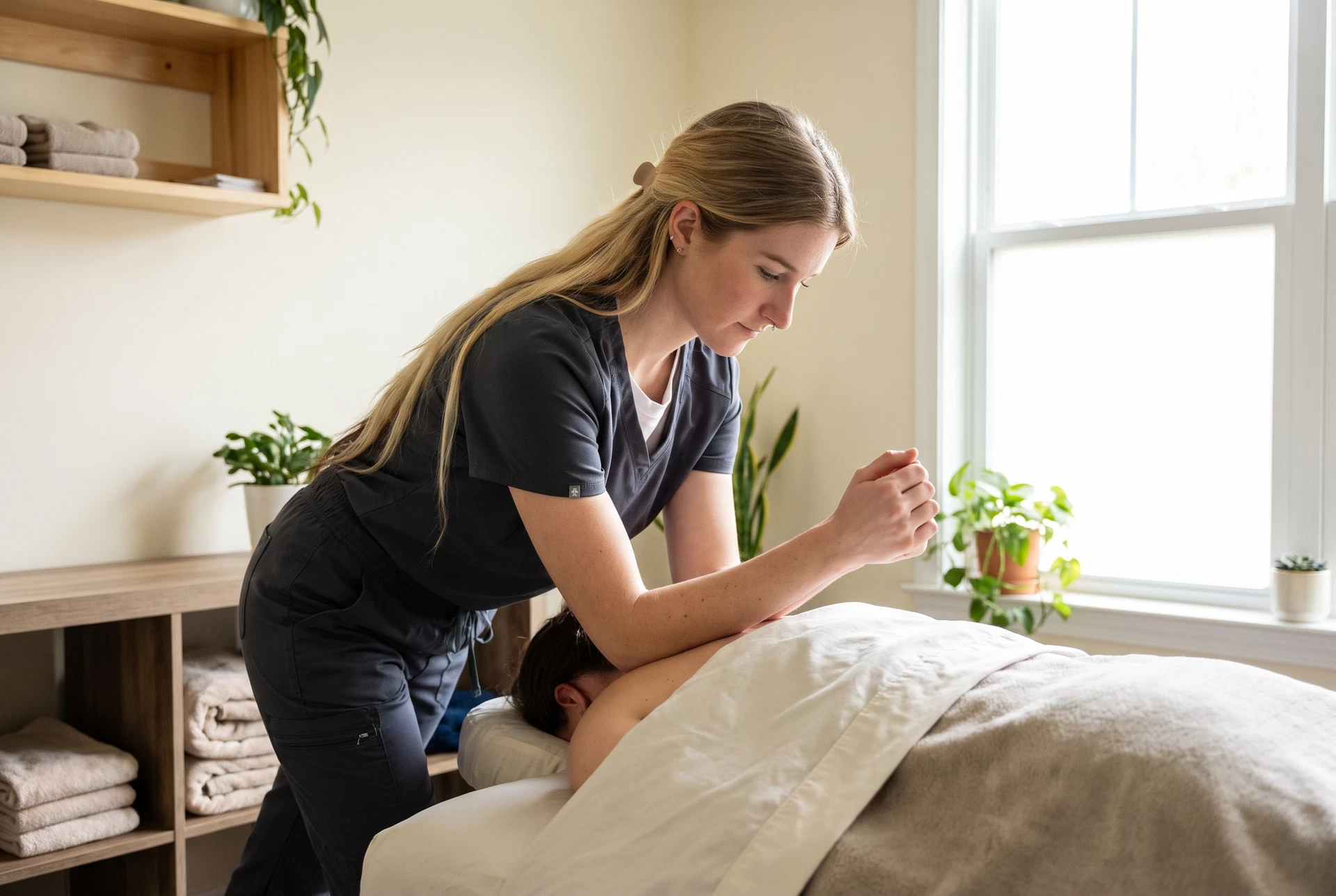
Therapeutic Massage
May help reduce surrounding muscular tension, support circulation, and improve comfortable mobility when appropriate.
Frequently Asked Questions
Common Questions About Knee Pain
Related Conditions
You May Also Want to Explore
Begin Your Healing Journey
Movement Is One of Life's Greatest Freedoms
Let's help you get back to doing what you enjoy. We will listen to your story, evaluate the factors contributing to your symptoms, and create a personalized plan designed to reduce pain, restore comfortable movement, and support lasting recovery.