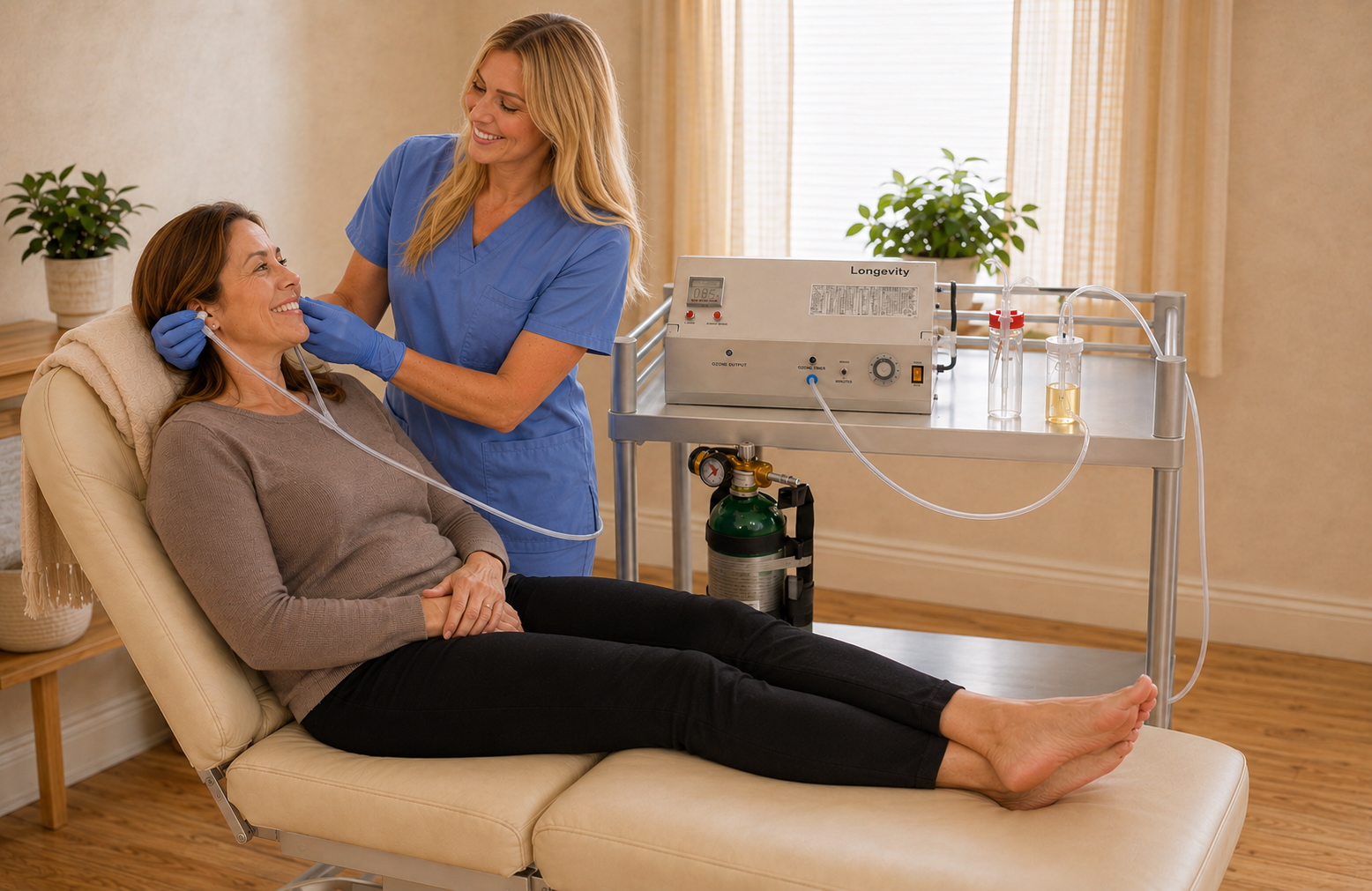
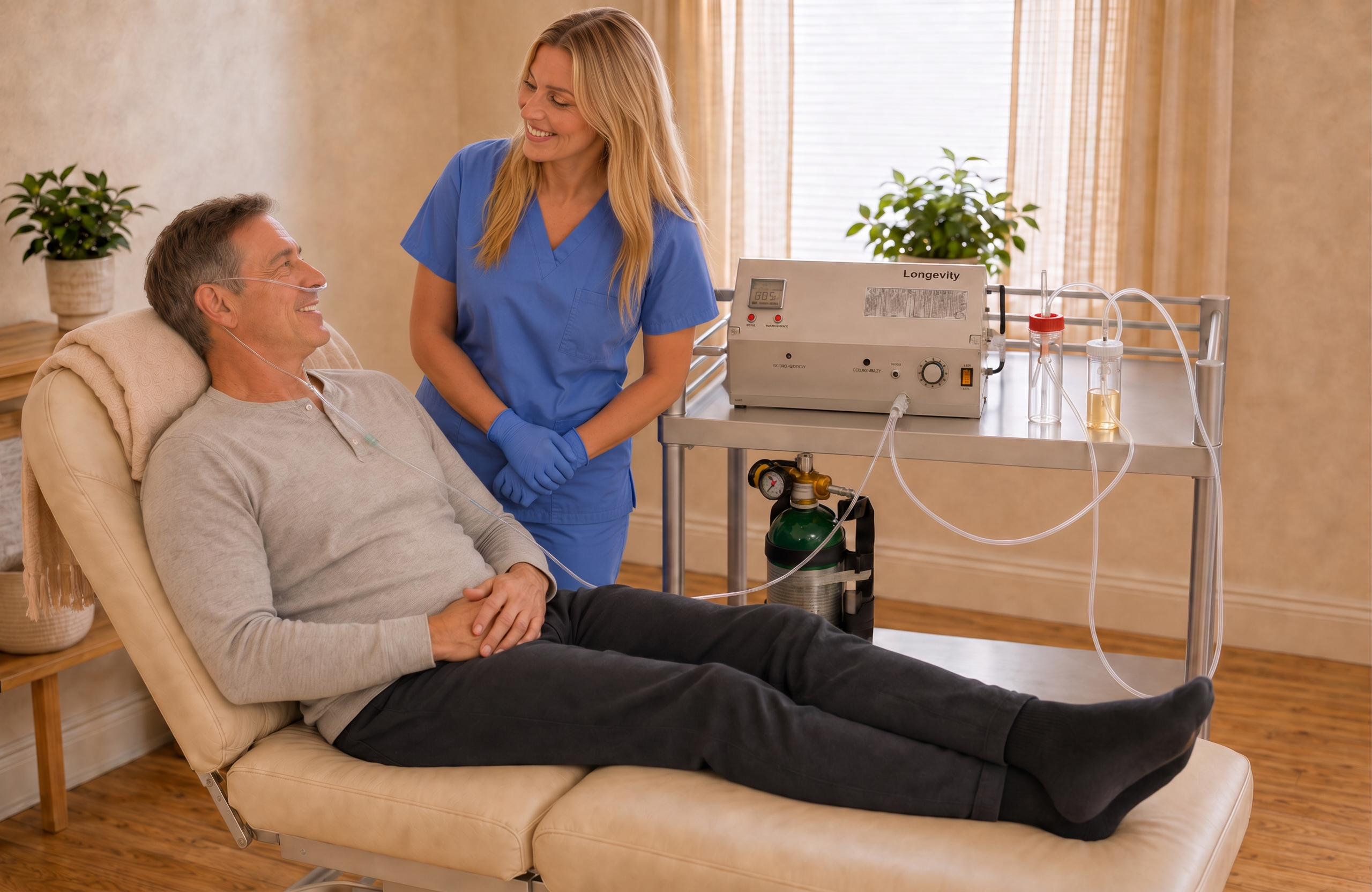
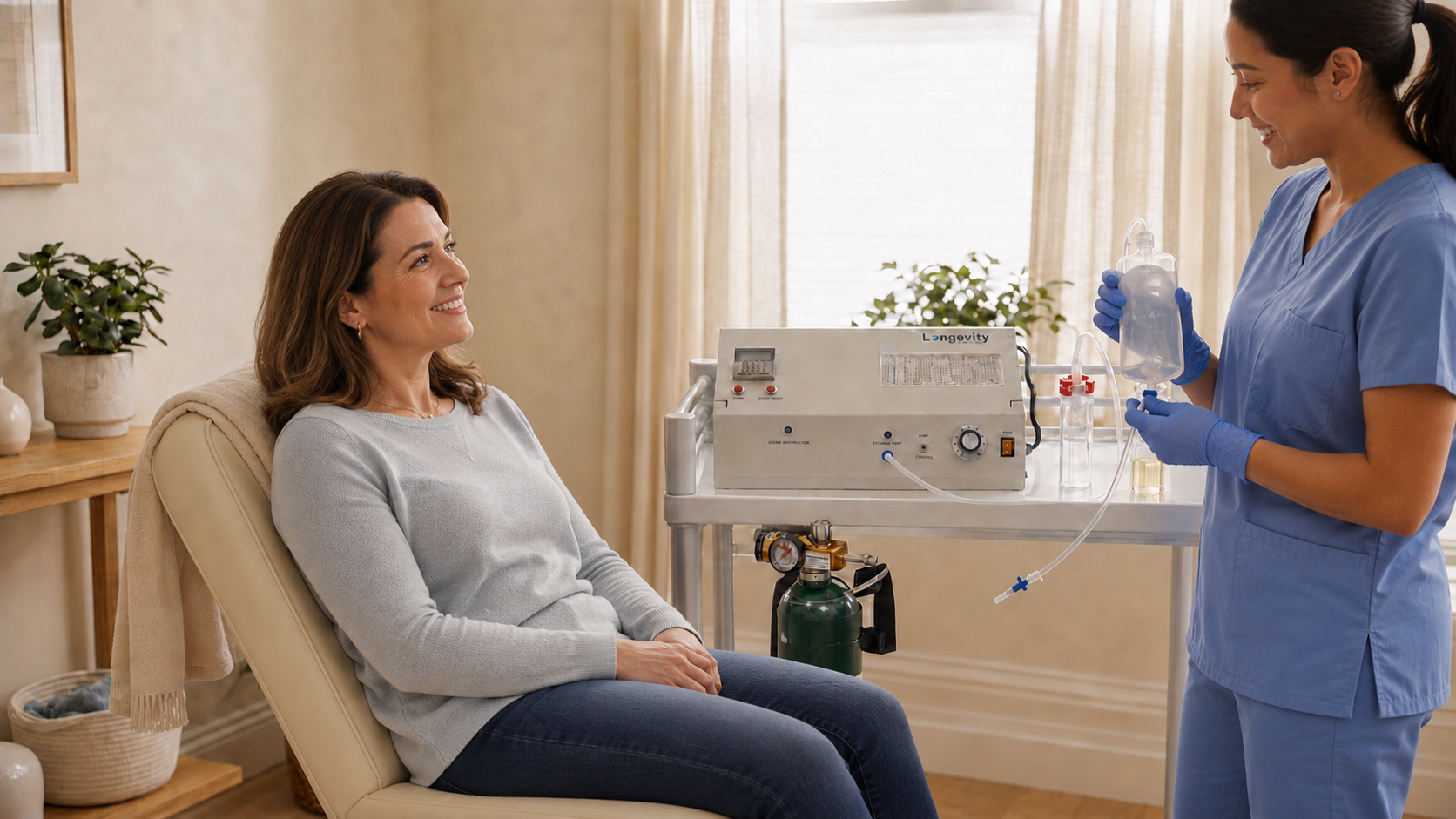
Sinus ozone insufflation treatment showing Longevity equipment and patient

Ozone Therapy in Fort Mill, South Carolina

The Antimicrobial Power of Ozone—Applied With Precision

Ozone Therapy uses a carefully controlled mixture of medical-grade oxygen and ozone. Its powerful oxidative action can kill or inactivate susceptible bacteria, viruses, fungi, yeast, certain parasites, and biofilm-forming microorganisms when directly exposed under the appropriate conditions.

Beyond its direct antimicrobial action, carefully dosed ozone also creates biological signals that can influence inflammatory regulation, circulation, immune activity, oxidative balance, and tissue recovery.

At Blue Root, the route, concentration, volume, and duration are selected according to the area being treated, your health history, sensitivity, and response.

Understanding Medical Ozone

What Is Medical Ozone?

The oxygen we breathe is composed of two oxygen atoms (O₂). Ozone is composed of three oxygen atoms (O₃). The addition of that third oxygen atom makes ozone highly reactive.

Medical ozone is generated at the time of treatment from medical-grade oxygen and delivered as a precisely measured oxygen–ozone mixture. Because ozone is unstable, it does not remain stored inside the body. It reacts quickly with biological tissues and fluids, initiating short-lived oxidative signals.
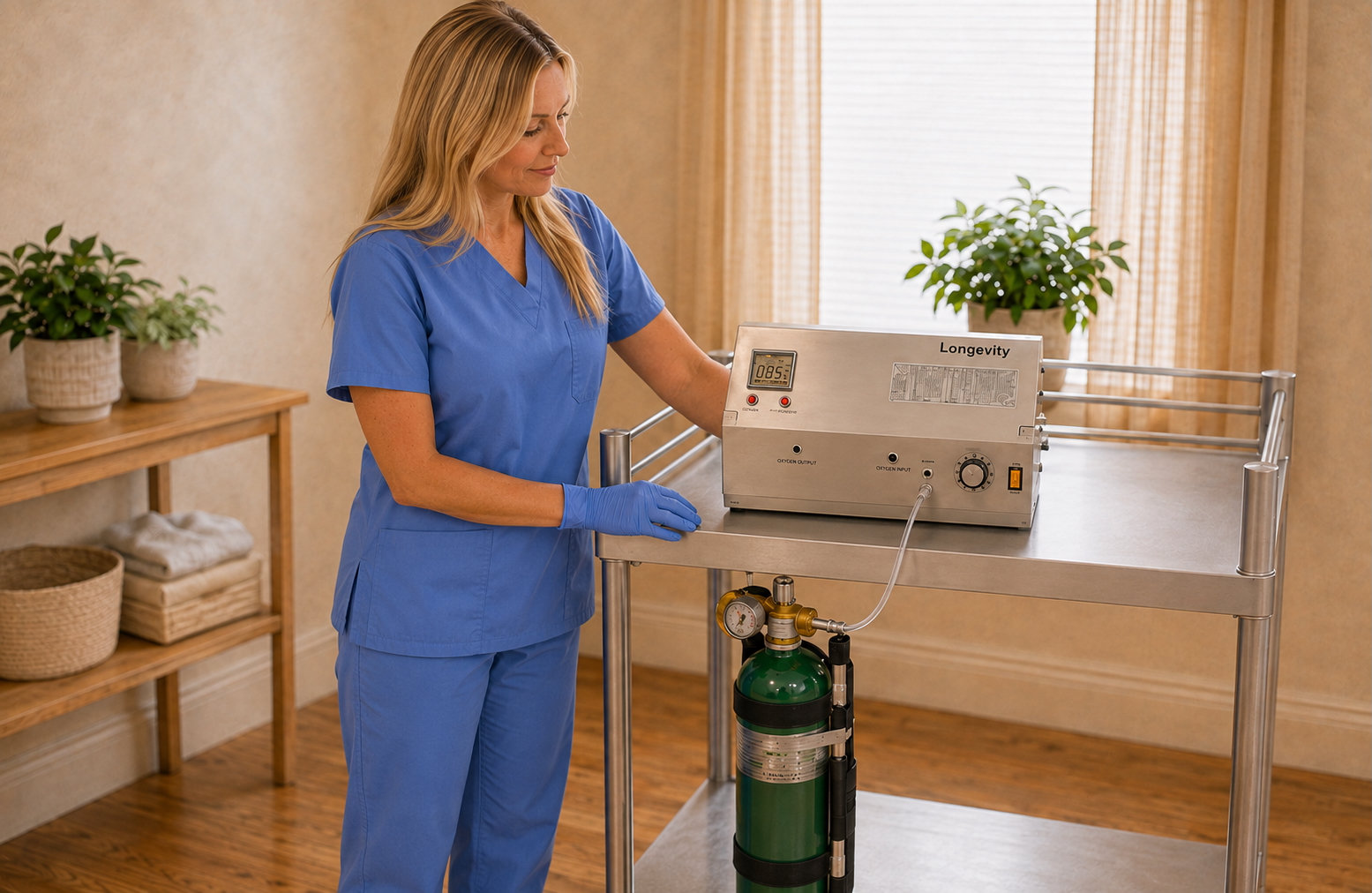

Medical ozone equipment - Longevity machine with oxygen tank
Microscopic view of ozone molecules attacking bacteria and pathogens

Antimicrobial Action

Ozone Has Direct Antimicrobial Activity

Ozone's reactivity gives it broad antimicrobial activity under appropriate conditions. In controlled applications, ozone has demonstrated activity against:

  • Bacteria
  • Viruses
  • Fungi and yeast
  • Certain parasites and protozoa
  • Biofilm-forming microorganisms

This does not mean that every ozone treatment eradicates an infection. The route, concentration, exposure time, organism, tissue, and individual patient all matter.

A Broad Biological Response

Ozone Does More Than One Thing

Ozone Therapy is frequently reduced to the idea that ozone “kills pathogens.” Its biological actions are more complex. Research has explored ozone therapy for its influence on:

  • Antimicrobial activity against bacteria, viruses, fungi, parasites, and biofilms
  • Inflammation and oxidative regulation
  • Immune-system modulation
  • Circulation and tissue support
  • Recovery and resilience

Ozone is powerful because it is reactive. That is also why it must be measured, delivered, and monitored carefully.

Cellular-level illustration showing ozone's multiple biological effects

Clinical Applications

Why Ozone Therapy May Be Considered

Patients seek ozone therapy for a wide range of concerns. At Blue Root, it may be incorporated into an individualized care plan when the treatment objective involves:

  • Localized or persistent microbial burden
  • Chronic or recurrent infections
  • Inflammatory dysregulation
  • Digestive and intestinal concerns
  • Sinus, ear, or respiratory patterns
  • Wound healing and tissue recovery
  • Immune support during complex illness
  • Recovery following significant illness or treatment

Ozone Therapy is not a cure-all. Its role must be determined within the context of the complete patient, the quality of the available evidence, and the other care the patient is receiving.

Different Routes. Different Purposes.

Different Routes Allow Us to Treat Different Areas

Insufflation delivers a carefully measured oxygen–ozone mixture to a specific body cavity or localized treatment area. The route determines where ozone makes direct contact and whether the treatment is intended primarily for localized exposure or broader biological effects.

Because ozone’s antimicrobial action occurs through oxidation, the treatment route matters. Direct exposure can kill or inactivate susceptible microorganisms in the area being treated, while other routes may also create downstream effects involving inflammatory regulation, immune signaling, circulation, and oxidative balance.

At Blue Root, we offer five distinct insufflation applications. The appropriate route is selected according to your symptoms, treatment goals, health history, and clinical presentation.

Rectal ozone insufflation treatment at Blue Root Health

Rectal ozone insufflation introduces a carefully measured oxygen–ozone mixture into the rectum through a small, lubricated catheter. The treatment is brief and does not involve a needle or intravenous access.

Ozone reacts rapidly with the tissues and contents of the intestinal environment. This route is used both for its relationship to the gastrointestinal environment and for the broader oxidative and biochemical signals produced after administration.

May be incorporated into care for:

  • Intestinal microbial imbalance
  • SIBO-related digestive concerns
  • Candida or yeast-related intestinal concerns
  • Chronic gas, bloating, and digestive discomfort
  • Inflammatory bowel patterns
  • Colitis-related inflammatory concerns
  • Chronic intestinal irritation
  • Immune and inflammatory dysregulation
  • Recovery following significant illness
  • Fatigue and complex chronic-health presentations
  • Broader support during care for persistent or multisystem illness

Because gastrointestinal sensitivity varies, concentration and volume are selected according to the patient’s health, symptoms, tolerance, and response. Temporary fullness, pressure, gas, urgency, or mild cramping may occur. Patients should tell their practitioner about rectal bleeding, active inflammatory bowel flares, recent intestinal procedures, severe abdominal pain, or other significant gastrointestinal conditions before treatment.

Rectal insufflation is not a colon cleanse. It is a measured ozone application selected as part of an individualized treatment strategy.

Vaginal ozone insufflation treatment at Blue Root Health

Vaginal insufflation delivers a carefully controlled oxygen–ozone mixture into the vaginal canal using specialized equipment. This provides direct localized ozone exposure to the vaginal environment.

Because ozone can kill or inactivate susceptible bacteria, fungi, yeast, viruses, and other microorganisms through oxidation, vaginal ozone may be considered when microbial imbalance is part of the clinical presentation.

May be incorporated into care for:

  • Recurrent vaginal yeast or Candida concerns
  • Bacterial imbalance
  • Recurrent vaginal microbial imbalance
  • Vaginal odor or changes in discharge associated with imbalance
  • Local irritation or inflammation
  • Persistent vaginal discomfort
  • Tissue recovery and circulation
  • Recurrent vaginal-health concerns
  • Selected viral concerns when coordinated with appropriate gynecological care

Symptoms such as unexplained bleeding, significant pelvic pain, fever, persistent discharge, strong odor, sores, or recurrent infection may have several causes and require appropriate evaluation. Patients should tell us about pregnancy or possible pregnancy, an active sexually transmitted infection, a recent gynecological procedure, or an implanted reproductive device.

Vaginal ozone may be used as part of an integrative treatment plan, but it does not replace cervical screening, STI testing, or necessary gynecological care.

Sinus ozone insufflation treatment at Blue Root Health

Sinus ozone insufflation delivers a carefully controlled oxygen–ozone mixture to the nasal and sinus environment through specialized nasal tubing.

This localized application brings ozone’s oxidative and antimicrobial action directly to the treatment area. It may be considered when the clinical objective involves persistent microbial burden, chronic irritation, or recurrent inflammatory patterns in the nasal and sinus environment.

May be incorporated into care for:

  • Chronic or recurrent sinus concerns
  • Recurrent bacterial or fungal sinus patterns
  • Persistent nasal microbial imbalance
  • Nasal congestion
  • Sinus pressure and discomfort
  • Thick or persistent nasal drainage
  • Seasonal and environmental irritation
  • Mold-related nasal and sinus exposure concerns
  • Recurrent upper-respiratory concerns
  • Persistent sinus symptoms despite previous care

At Blue Root, ozone passes through the route-specific trap and olive-oil system before reaching the nasal tubing. Patients receive precise breathing instructions so the treatment can be performed while minimizing respiratory exposure. Ozone is not intentionally inhaled into the lungs. Before treatment, patients should tell us about asthma, reactive-airway disease, chronic lung disease, frequent nosebleeds, recent nasal or sinus surgery, high fever, severe facial pain, or rapidly worsening symptoms.

Sinus ozone is selected according to the presentation and may be combined with acupuncture, Chinese Herbal Medicine, allergy care, or appropriate medical evaluation when needed.

Ear ozone insufflation treatment at Blue Root Health

Ear ozone insufflation delivers a low, carefully controlled flow of the oxygen–ozone mixture through specialized stethoscope-style tubing placed at the external ears. The treatment does not pressurize the ear.

This route brings localized ozone exposure to the external ear canal and may be considered when microbial burden, irritation, inflammation, or symptoms associated with the ear and surrounding sinus environment are part of the presentation.

May be incorporated into care for:

  • External-ear bacterial or fungal concerns
  • Recurrent swimmer’s ear patterns
  • Ear itching or irritation
  • Ear discomfort or fullness
  • Recurrent ear-related symptoms
  • Local inflammatory or microbial imbalance
  • Sinus and upper-respiratory congestion affecting the ears
  • Recovery following recurrent external-ear concerns
  • Tinnitus or hearing-related treatment plans when clinically appropriate

Patients should tell us about ear tubes, a perforated eardrum, recent ear surgery, active drainage, sudden hearing changes, significant vertigo, severe pain, or fever before treatment.

Ear ozone may be used alone for a localized concern or incorporated into a broader plan involving acupuncture, sinus care, and appropriate audiological or medical evaluation.

Limb ozone bagging treatment at Blue Root Health

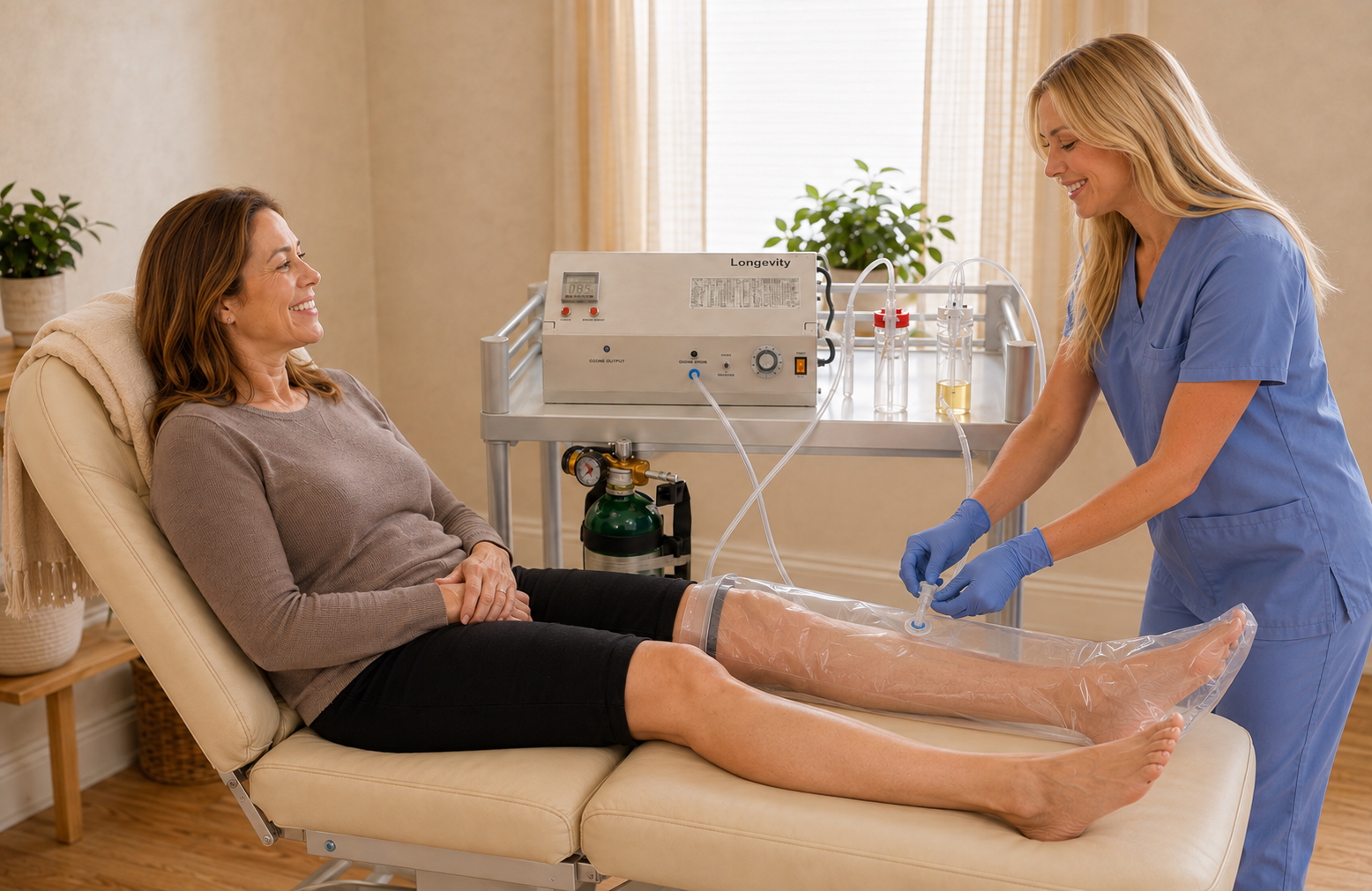
Limb ozone insufflation—also known as ozone limb bagging—is a topical application used for an arm, leg, hand, or foot. The treatment area is enclosed in a specialized bag, allowing the oxygen–ozone mixture to circulate directly around the exposed skin or tissue.

Because the treatment area is in direct contact with ozone, this route can provide localized antimicrobial exposure while also supporting circulation and tissue-recovery processes.

May be incorporated into care for:

  • Slow-healing wounds
  • Diabetic foot wounds
  • Localized bacterial concerns
  • Fungal skin and nail concerns
  • Ulcerated or compromised tissue
  • Persistent skin infections
  • Postsurgical tissue recovery when medically cleared
  • Circulatory challenges affecting an extremity
  • Areas of delayed tissue repair
  • Localized inflammatory or microbial concerns

Open wounds, diabetic ulcers, tissue discoloration, increasing swelling, severe pain, reduced sensation, fever, or reduced circulation require appropriate assessment and monitoring.

Limb ozone is intended to complement—not delay—necessary medical or wound care.

Personalized at Every Step

There Is No Universal Ozone Dose

Ozone Therapy is not a treatment in which more is automatically better. The appropriate route, concentration, volume, and exposure time depend on the treatment objective, the area being treated, your overall health, and your sensitivity.

At Blue Root, we consider:

  • Why ozone is being recommended
  • Whether the objective is localized or broader
  • Your symptoms, diagnoses, medications, and supplements
  • Your previous response to ozone or other oxidative therapies
  • Relevant digestive, respiratory, immune, cardiovascular, and neurological history
  • Which route is most appropriate
  • Whether further evaluation is needed before treatment

Practitioner consulting with patient about ozone therapy

We Begin at an Appropriate Starting Level

Treatment is introduced thoughtfully. Your response during and after the application helps determine whether the next treatment remains the same, progresses gradually, decreases, changes route, or pauses.

The objective is not to deliver the greatest amount of ozone. It is to select the route and dosage appropriate for your body and treatment goal.

Your Ozone Therapy Appointment

Treatment Begins With the Right Route and Dose

01

A Detailed Consultation

We review your treatment goals, symptoms, diagnoses, medications, supplements, sensitivities, previous treatments, and relevant health history.

02

Selecting the Application

We determine which route—rectal, vaginal, sinus, ear, or limb ozone—is most relevant to the area and objective being addressed.

03

Establishing Your Starting Level

Concentration, volume, and duration are selected according to the route, your health, previous experience, and sensitivity.

04

Monitoring and Refinement

Your response during and after treatment guides whether the next application remains the same or is adjusted.

Important Ozone Therapy Safety Information

Ozone Therapy must be administered through appropriate equipment and a route selected for the individual patient. Before treatment, we review relevant health conditions, medications, pregnancy status, respiratory history, recent procedures, and other factors that may affect whether a particular ozone application is appropriate.

Before treatment, tell your practitioner if you:

  • Are pregnant, may be pregnant, or are breastfeeding
  • Have asthma, reactive-airway disease, or chronic lung disease
  • Have a known bleeding disorder or take blood-thinning medication
  • Have severe anemia or another significant blood disorder
  • Have glucose-6-phosphate dehydrogenase deficiency
  • Have active bleeding
  • Have an acute medical infection or high fever
  • Recently had surgery or a medical procedure
  • Have significant liver, kidney, cardiovascular, or neurological disease
  • Are receiving cancer treatment or immunosuppressive therapy
  • Have experienced an unexpected reaction to ozone or oxidative therapy
  • Develop new, severe, or rapidly changing symptoms

Ozone Therapy should never delay emergency care, antimicrobial treatment, wound care, gynecological evaluation, or another medically necessary intervention.

Care Guided by Response

How Many Treatments Will You Need?

There is no universal ozone schedule because there is no universal tolerance or treatment goal. The recommended route and frequency depend on:

  • The reason treatment is being considered
  • Whether the concern is localized or systemic
  • Whether symptoms are acute or chronic
  • Your overall health and sensitivity
  • The route of administration
  • Your response during and after treatment
  • The other medical or complementary care you are receiving
  • Whether continued treatment remains appropriate

Some localized concerns may require a short series of treatments. Long-standing or complex health patterns may involve a more gradual course with regular reassessment.

The treatment progresses only when your body demonstrates that it is ready.

Frequently Asked Questions

What Patients Often Ask

No. Medical ozone is generated from medical-grade oxygen at the time of treatment and delivered in a carefully measured oxygen–ozone mixture through specialized equipment. Environmental ozone is an uncontrolled air pollutant that can irritate and damage the respiratory system when inhaled. Medical ozone is administered through selected routes and is not intended to be inhaled into the lungs.

Yes. Ozone has broad antimicrobial activity. Under appropriate direct-contact conditions, its oxidative action can kill or inactivate susceptible bacteria, viruses, fungi, yeast, certain parasites and protozoa, and biofilm-forming microorganisms. The clinical effect depends on the organism, route, concentration, exposure time, and whether ozone directly reaches the treatment area. For that reason, a localized application should not be interpreted as automatically eliminating an infection elsewhere in the body.

Ozone is better described as immune-modulating rather than simply immune-boosting. Carefully dosed ozone creates temporary oxidative signals that can influence immune and inflammatory communication. The objective is not to stimulate the immune system indiscriminately. It is to encourage a more appropriate regulatory response based on the patient’s condition and treatment goals.

Ozone has a dose-dependent effect, and more is not automatically better. Beginning at an appropriate starting level allows us to observe how your body responds before making changes to concentration, volume, or duration. Patients with extensive inflammation, chronic illness, chemical sensitivity, respiratory concerns, or limited oxidative reserve may require a more gradual approach.

Not necessarily. The route may remain the same, but the concentration, volume, duration, or frequency may change as your symptoms and response change. Before each treatment, we consider what occurred during and after the previous application. Ozone Therapy is reassessed rather than repeated automatically.

Most insufflation treatments are brief and well tolerated, although the sensation depends on the route. Rectal ozone may create temporary fullness, pressure, gas, or mild cramping. Vaginal ozone may produce a sensation of airflow or mild fullness. Sinus and ear ozone should feel gentle and should not create sharp pain or intense pressure. Limb ozone surrounds the area inside a bag and is noninvasive. Patients should tell the practitioner immediately about pain, breathing irritation, dizziness, or unexpected discomfort.

Ozone has genuine antibacterial and antifungal activity, but whether it can be used alone depends on the organism, location, severity, route, and patient’s overall health. Some localized concerns may be managed with ozone as part of an individualized plan. Other infections require prescription medication, drainage, wound care, testing, or urgent medical treatment. Patients should not stop prescribed medication without speaking with the healthcare professional managing the condition.

Ozone has demonstrated activity against certain parasites and protozoa under appropriate direct-contact or controlled conditions. Whether it is clinically useful depends on the organism, where it is located, and whether the selected ozone route reaches the relevant treatment area. Suspected parasitic illness requires proper evaluation. Ozone may be incorporated into a broader strategy when clinically appropriate, but it should not be presented as a universal systemic parasite-eradication treatment.

Yes, more than one application may sometimes be used when different treatment areas or objectives need to be addressed. For example, a patient may receive a localized application alongside a route selected for broader support. The practitioner determines whether combining routes is appropriate. More applications are not automatically more effective.

We track the symptoms and functional changes most relevant to your treatment goal. Depending on the reason for care, this may include pain, drainage, congestion, digestive symptoms, skin or wound changes, energy, recovery, frequency of recurrence, or other measurable changes. Your response during and after each treatment helps determine whether the plan should continue, change, or be reassessed. Laboratory testing or referral may also be appropriate when symptoms alone do not provide enough information.

Located in Fort Mill, Blue Root Health welcomes patients from Charlotte, Rock Hill, Indian Land, Tega Cay, Lake Wylie, Ballantyne, Pineville, Waxhaw, Matthews, Huntersville, Columbia, and communities throughout North and South Carolina seeking personalized Ozone Therapy guided by careful assessment and individualized care.

Begin With Personalized Care

Ozone Therapy Should Meet Your Body Where It Is

Ozone is a powerful and highly reactive therapy. Its use should never be casual, standardized, or based on the belief that more is better. At Blue Root, we select the route carefully, begin according to your individual tolerance, and remain closely involved as your body responds.