
Prolozone Therapy
Targeted Treatment for Painful Joints and Injured Tissues
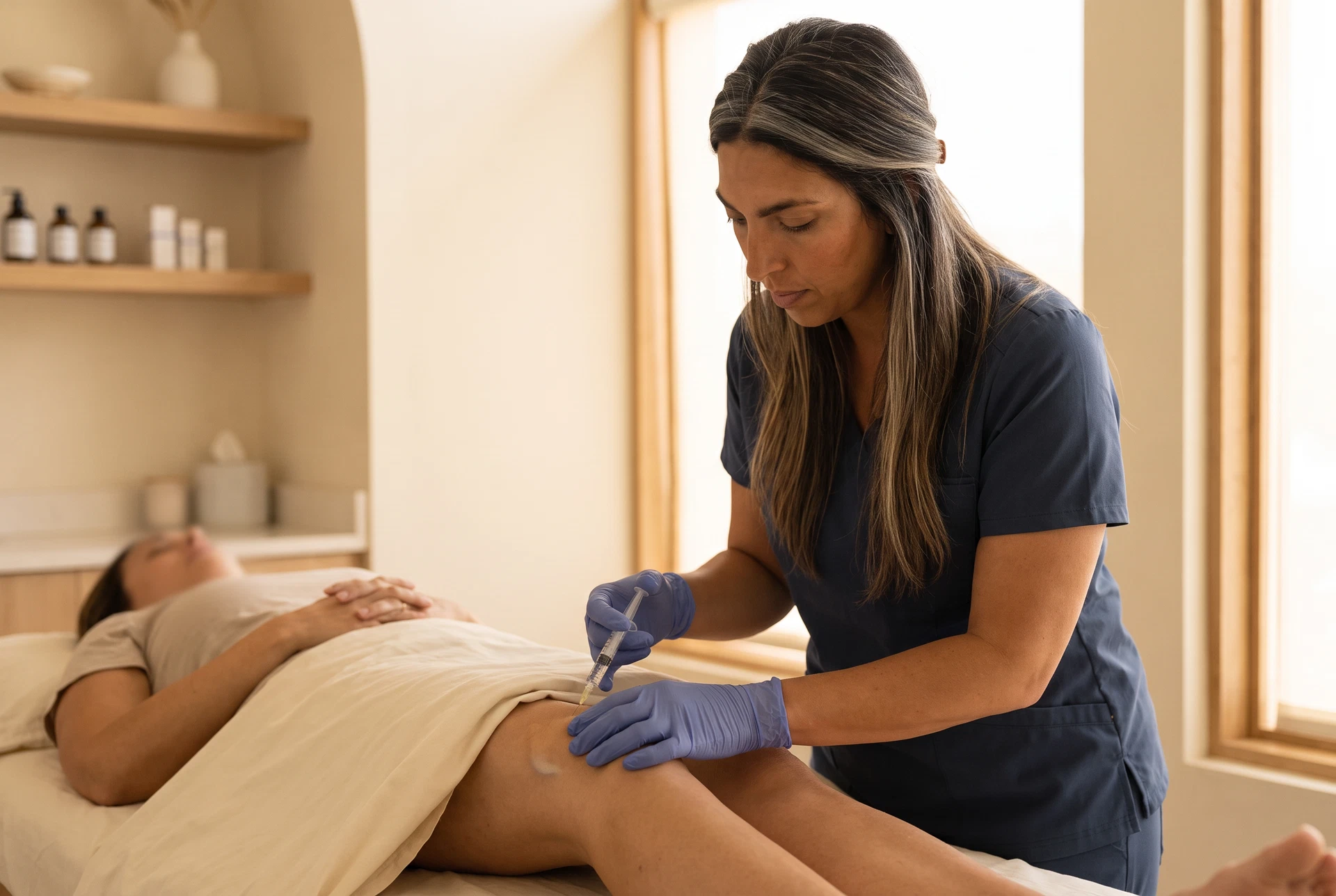
Prolozone Therapy combines precise musculoskeletal injection techniques with a carefully measured oxygen-ozone mixture to support painful joints, ligaments, tendons, and surrounding tissues.
At Blue Root, treatment is guided by detailed assessment—not simply by the location where you feel pain.
Understanding Prolozone
More Than Pain Relief:
A Strategy for Repair
Pain does not always originate exactly where it is felt.
Knee pain may involve the joint, cartilage, tendons, ligaments, muscular imbalance, or referred pain from another area. Shoulder pain may originate from the joint, rotator-cuff tendons, surrounding connective tissue, or the neck. Low-back pain may involve the lumbar spine, sacroiliac joints, ligaments, muscles, or several structures working together.
That is why Prolozone begins with a more important question:
Which structures are creating or continuing the pain—and what do they need in order to heal?
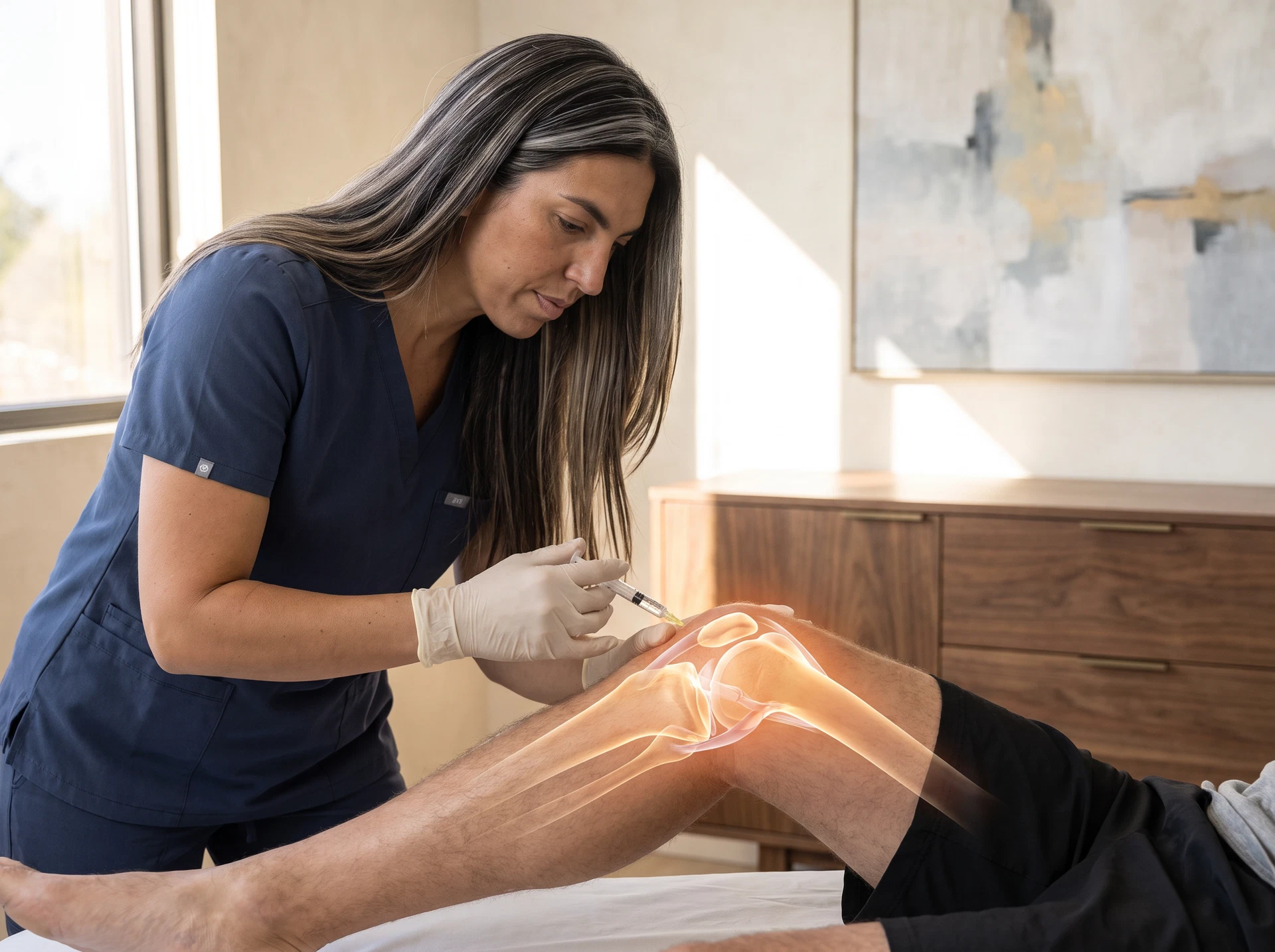
Once the involved tissues are identified, a carefully selected therapeutic solution and oxygen–ozone mixture are introduced into or around the targeted structures. This creates a controlled local stimulus intended to improve oxygen utilization and circulation, regulate inflammatory and oxidative activity, and activate the body's own repair response.
The purpose is not simply to numb the area or temporarily silence pain. The purpose is to improve the biological environment surrounding injured, irritated, or degenerative tissue so the body has a better opportunity to repair, strengthen, and function more normally.
Why Choose Prolozone Instead of Another Injection?
Corticosteroid injections are primarily used to suppress inflammation and can provide temporary relief. They do not rebuild weakened tissue, and repeated exposure may carry risks for cartilage, tendons, and other structures.
Prolozone takes a different approach. Rather than suppressing the local response, it is used to stimulate repair while addressing the structures contributing to the pain. The goal is meaningful improvement in comfort, mobility, stability, and function—not simply a temporary reduction in symptoms.
Surgery may still be necessary when tissue damage is advanced or a structure requires mechanical repair. But when Prolozone is clinically appropriate, it offers a less invasive opportunity to support healing before moving toward surgery—and may help some patients delay or avoid surgery altogether.
Prolozone cannot guarantee that every damaged structure will regenerate or that every patient will avoid surgery. Its value lies in giving the body a genuine opportunity to repair—not merely teaching someone to live with the pain.
A Localized Oxygen-Ozone Injection
Precision Applied to the Area That Needs Support
Prolozone is an injection approach used for certain painful or injured joints, ligaments, tendons, and surrounding connective tissues.
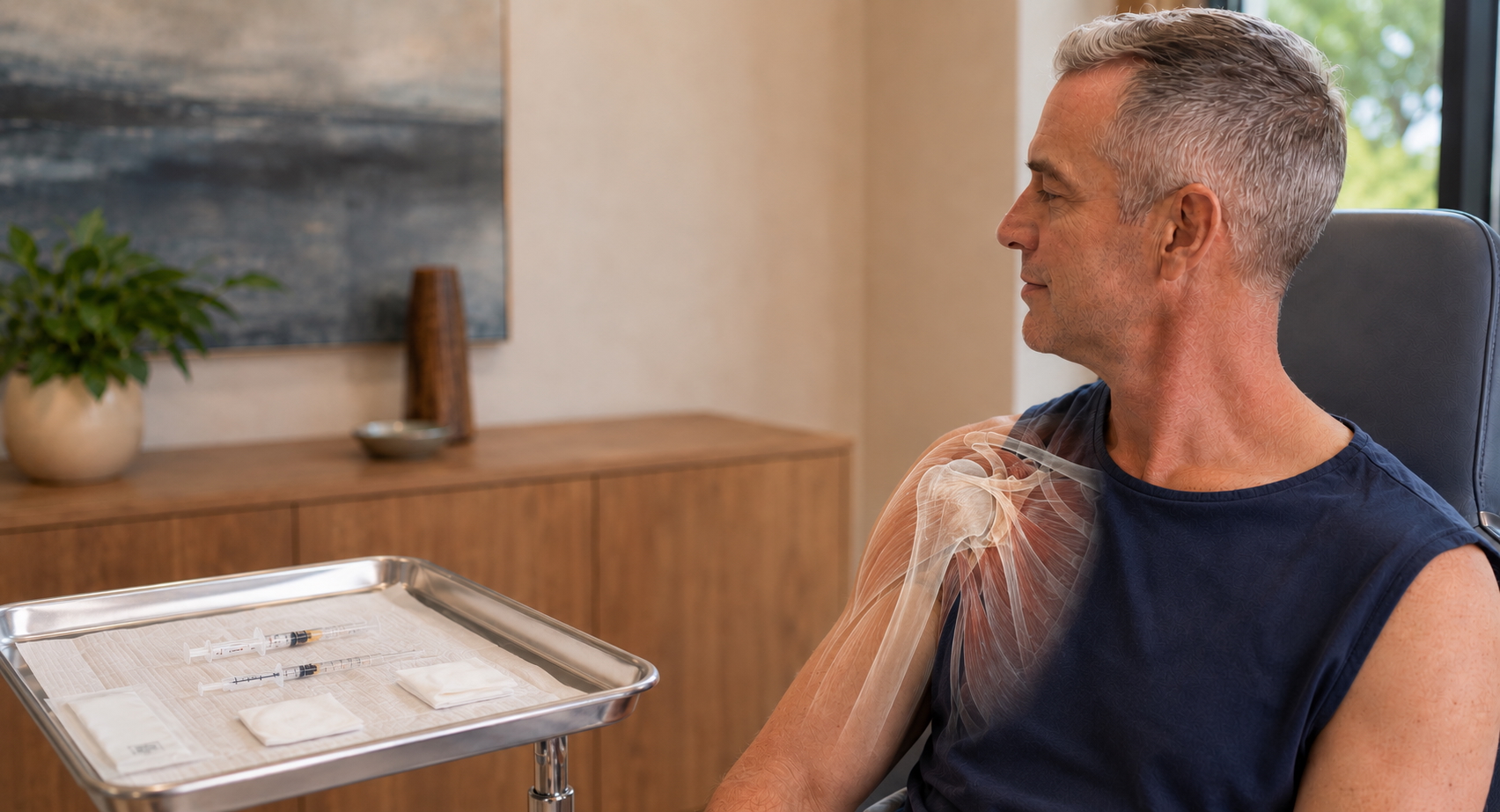
Depending on the area being treated and the individual treatment plan, a carefully selected liquid solution may first be introduced into or around the involved structure. This is followed by a precisely measured mixture of medical oxygen and ozone.
The concentration, volume, injection location, and structures treated are selected according to the patient's condition, anatomy, examination findings, and treatment strategy. A knee joint, tendon attachment, ligament, or area of connective tissue may each require a different approach.
This precision matters. Prolozone is not a generalized injection placed wherever pain is reported. It is a carefully directed treatment designed around the tissues identified during the clinical assessment.
The purpose is not to expose the body to uncontrolled oxidation. It is to deliver a measured therapeutic stimulus precisely where it is needed.
The Right Tissue. The Right Treatment.
We Do Not Treat Every Pain the Same Way
A diagnosis such as arthritis, tendinitis, bursitis, or low-back pain provides important information—but it does not reveal the complete picture. Two patients with the same MRI finding can experience very different symptoms.
Before recommending treatment, we evaluate the area carefully to understand what may be contributing to the pain and whether Prolozone is clinically appropriate. Depending on the condition and location, the assessment may include:
- •Your health history, symptoms, and previous injuries
- •The location, quality, and pattern of the pain
- •Movements or activities that aggravate or relieve it
- •Range of motion and functional limitations
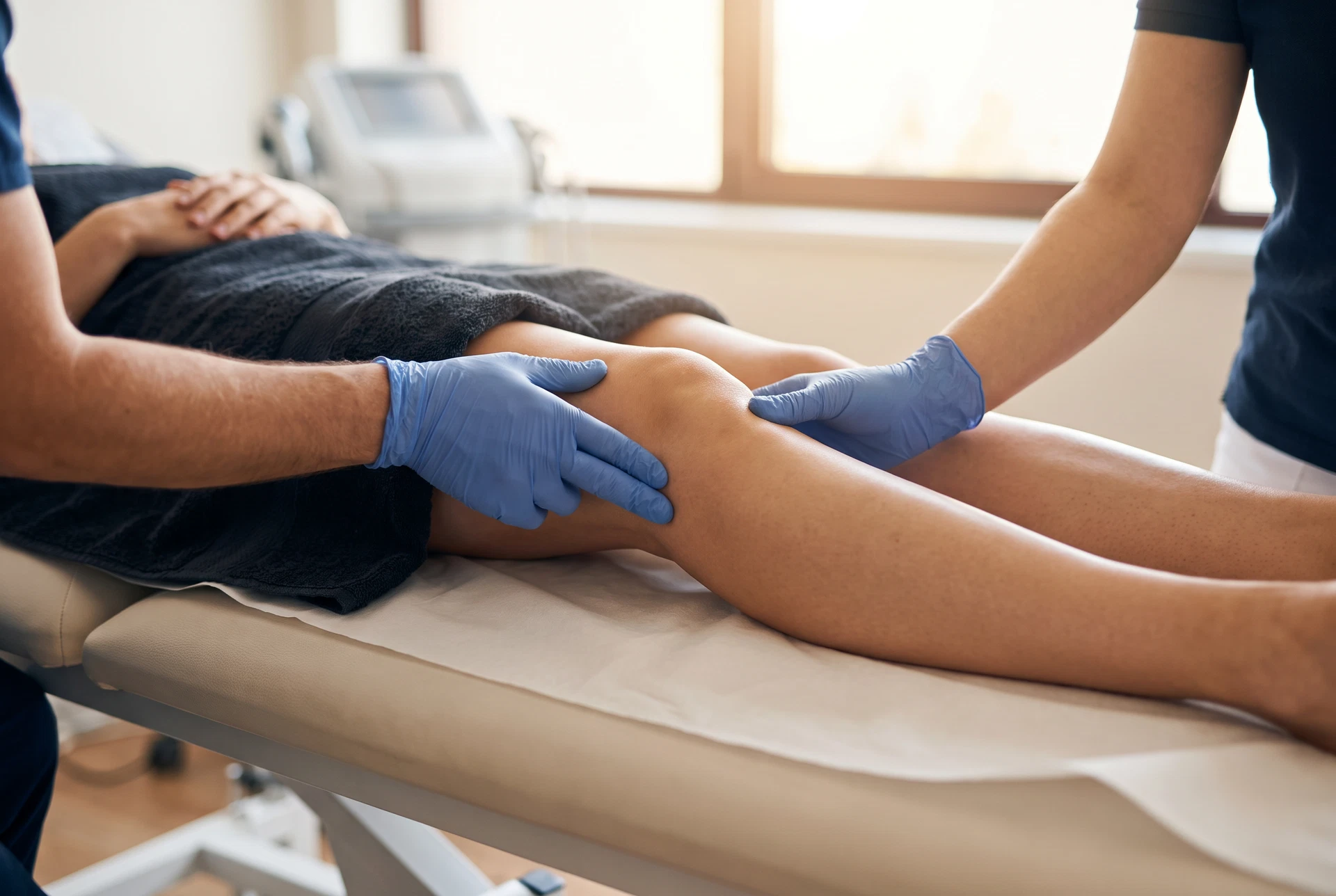
- •Palpation of the joints, muscles, tendons, ligaments, and surrounding tissues
- •Relevant orthopedic and physical assessment findings
- •Available imaging, diagnoses, and previous treatment history
This evaluation helps determine which structures may require support, where treatment should be directed, and whether Prolozone—or another approach—is most appropriate.
The location where you point is only the beginning. The treatment must be directed toward the structure involved—not merely toward the general region that hurts.
Conservative and Deliberate Treatment
More ozone, more injections, and more treatment areas do not automatically produce a better result. The amount, concentration, injection location, and number of areas treated are selected according to the tissue involved, the size and location of the joint, the severity and duration of the condition, your overall health, your medication history, your sensitivity and previous response, and the other care you are receiving.
Musculoskeletal Applications
Supporting Painful Joints and Connective Tissues
Prolozone may be considered for selected musculoskeletal conditions affecting joints, ligaments, tendons, and surrounding tissues.
This is not an exhaustive list, and the presence of one of these conditions does not automatically mean Prolozone is appropriate. Pain can arise from fractures, infection, autoimmune disease, nerve compression, vascular problems, tumors, internal-organ referral, or other conditions requiring different care. A proper assessment determines whether the symptoms appear musculoskeletal, whether the treatment target can be identified, and whether medical testing or referral is needed before proceeding.
Beyond Temporary Pain Relief
Activating the Body's Repair Response
Prolozone is designed to do more than temporarily reduce pain. By delivering a precisely measured oxygen–ozone mixture into or around an injured or degenerative structure, treatment creates a controlled local stimulus that activates the body's natural healing response.
This therapeutic response helps improve circulation and oxygen utilization, regulate inflammation, and support the cellular processes involved in tissue repair. As irritation decreases and the local environment becomes more supportive of healing, patients may experience less pain, greater stability, improved mobility, and a return to activities that had become difficult or uncomfortable.
This is what distinguishes Prolozone from treatments designed primarily to suppress symptoms. The goal is not simply to make the painful area feel better for a short period of time. The goal is to address the involved structures, stimulate repair, and help the body move toward stronger, more sustainable function.
Clinical research on musculoskeletal ozone injections has demonstrated meaningful improvements in pain, mobility, and physical function, particularly in conditions such as knee osteoarthritis. Outcomes depend on the condition, the extent of tissue damage, the structures treated, and the individual patient, but Prolozone offers a powerful nonsurgical option for people seeking more than temporary symptom relief.
Your Prolozone Appointment
Treatment Begins Before the Injection
A Detailed Consultation
We begin with the history of the condition: when and how it started, where the pain is located, which movements reproduce it, whether you experience weakness, instability, swelling, numbness, or tingling, what previous treatments you have received, what imaging or diagnoses you already have, which medications and supplements you take, and whether anything may affect injection safety or recovery.
Musculoskeletal Assessment
The practitioner examines the painful area and related structures. Your assessment may include palpation, range-of-motion testing, orthopedic testing, functional movement, joint-stability evaluation, and review of relevant imaging or medical records. If the examination suggests that another condition may be responsible — or that additional evaluation is needed — treatment may be postponed.
Preparing the Treatment Area
The skin is cleaned carefully, and sterile, single-use injection supplies are used. The practitioner identifies the treatment location according to the examination findings and the anatomy of the involved area. Depending on the protocol, a localized liquid solution may be administered before the measured oxygen-ozone mixture.
The Injection
You may feel pressure, fullness, aching, warmth, or temporary discomfort as the area is treated. The sensation depends on the tissue, joint, location, and individual sensitivity. Tell the practitioner immediately if you experience intense pain, electrical or shooting pain, significant numbness, dizziness, breathing difficulty, or another unexpected sensation.
Immediate Reassessment
When appropriate, the practitioner may reassess the treated area immediately after the injection. This can include checking range of motion, tenderness, strength, or a previously limited movement. Not every treatment produces an immediate change — some patients respond gradually over days.
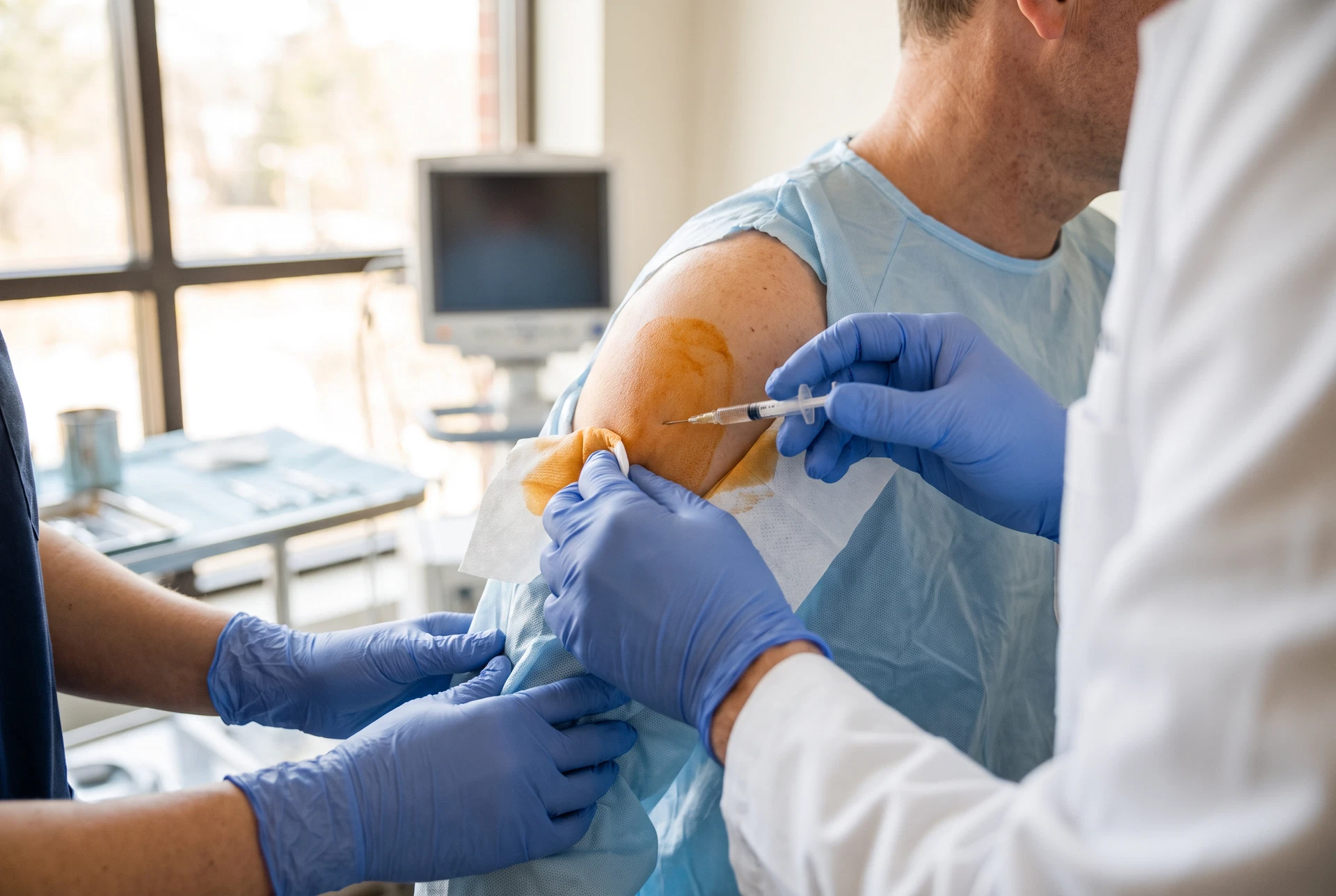
Prolozone Is an Injection Procedure
All injections carry potential risks, even when performed carefully. Risks may include pain during or after treatment, bleeding or bruising, infection, local inflammation or swelling, vasovagal reaction or fainting, irritation or injury to a nerve, blood vessel, or surrounding tissue, allergic or sensitivity reaction, temporary aggravation of symptoms, and failure to improve.
Before Treatment, Inform Your Practitioner If You Have:
- Blood-thinning or antiplatelet medications
- A clotting disorder
- Known allergies or sensitivities
- Active infection or fever
- Broken or infected skin over the treatment area
- Uncontrolled diabetes or impaired wound healing
- Significant vascular disease in the area
- Pregnancy or breastfeeding
- An implanted joint, surgical hardware, or previous surgery in the area
- Cancer history affecting the treatment region
- Chemotherapy, radiation, or immunosuppressive therapy
- A recent joint injection at the same site
- Glucose-6-phosphate dehydrogenase (G6PD) deficiency
- A previous reaction to ozone or injection therapy
- A new diagnosis or medication change since your last visit

Care Guided by Function
How Many Treatments Will You Need?
There is no universal series. The same pain can arise from very different tissues and levels of damage. The recommended course depends on the diagnosis and tissue involved, the duration of the condition, whether it is degenerative, traumatic, or repetitive, the severity of structural damage, age and overall health, joint stability and movement patterns, previous surgeries or injuries, the response to the first treatment, functional goals, and the other care in the plan.
If the expected progress does not occur, the treatment strategy should be reconsidered—not repeated automatically.
Progress Markers We Evaluate
- Easier movement
- Improved range of motion
- Greater joint stability
- Less pain during activity
- Better sleep
- Improved walking or weight-bearing
- Increased ability to exercise or rehabilitate the area
- Longer periods of relief between appointments
- Reduced tenderness during examination
Recovery Requires the Whole Picture
An Injection May Be One Part of the Strategy
Depending on the condition, your treatment plan may also include acupuncture for pain or muscular guarding, electroacupuncture, cupping or gua sha, appropriate movement or rehabilitation, strengthening and mobility work, activity modification, Chinese herbal medicine, nutritional guidance, functional testing, or referral for imaging or medical evaluation.
What Patients Often Ask
Frequently Asked Questions
Serving Patients Across the Carolinas
Specialized, Personalized Care Worth Traveling For
Located in Fort Mill, Blue Root Health welcomes patients from Charlotte, Rock Hill, Indian Land, Tega Cay, Lake Wylie, Ballantyne, Pineville, Waxhaw, Matthews, Huntersville, Columbia, and communities throughout North and South Carolina seeking a more individualized approach to chronic joint and musculoskeletal pain.
Begin With a Detailed Assessment
The Location of Your Pain Is Only the Beginning
Effective treatment begins by identifying the tissue involved, understanding why the pain persists, and determining whether Prolozone is appropriate for your body. At Blue Root, every injection is guided by assessment, precision, and continued reassessment—not by a standardized pain protocol.