

Pain & Musculoskeletal Health
Migraines
Personalized Care Helping Reduce Migraine Frequency and Intensity
Overview
Understanding Migraines
Migraines are a complex neurological condition characterized by recurring episodes of moderate to severe head pain, often accompanied by nausea, light sensitivity, sound sensitivity, and visual disturbances.
Triggers vary widely between individuals and may include hormonal changes, stress, sleep disruption, dietary factors, weather changes, and sensory stimuli. Understanding your personal pattern of triggers and contributing factors is essential for effective management.
Integrative care can complement conventional migraine management by addressing nervous system regulation, cervical contributors, sleep quality, stress, and the underlying patterns that influence migraine frequency and severity.
Symptoms
Common Symptoms of Migraines
Symptoms present differently from person to person. The symptoms below are commonly associated with this condition — though not every patient will experience all of them.
Possible Causes
What May Be Contributing to Your Migraines
This condition rarely has a single cause. The following factors are commonly involved — and many patients have more than one contributing to their symptoms.
Hormonal Fluctuations
Changes around the menstrual cycle, perimenopause, or other hormonal shifts may increase migraine frequency for some individuals.
Stress & Nervous System Dysregulation
Stress, heightened reactivity, or autonomic imbalance can contribute to migraine onset and severity.
Sleep Disruption
Irregular sleep schedules, insufficient sleep, or poor sleep quality may trigger attacks.
Neck & Shoulder Tension
Myofascial tension, posture, and musculoskeletal strain can contribute to headaches or act as a trigger.
Dietary Triggers
Certain foods, alcohol, additives, or irregular meals may provoke symptoms in susceptible individuals.
Dehydration
Insufficient hydration may increase the likelihood of an attack.
Environmental Sensitivity
Bright lights, strong odors, loud sounds, or changes in weather may play a role.
Genetics & Family History
A family history of migraine can increase risk.
Medication Overuse
Frequent use of pain-relief medications may lead to rebound headaches in some cases.
A Different Framework
The Chinese Medicine Perspective on Migraines
Chinese Medicine recognizes numerous migraine patterns, including Liver Yang Rising, Liver Fire, Blood Deficiency, Qi Stagnation, Wind, and Phlegm accumulation — each with distinct characteristics that guide individualized treatment.
The location, quality, timing, and associated symptoms of the migraine help identify the pattern. Stress, hormonal fluctuations, sleep, diet, and constitutional factors all inform the Chinese Medicine diagnosis.
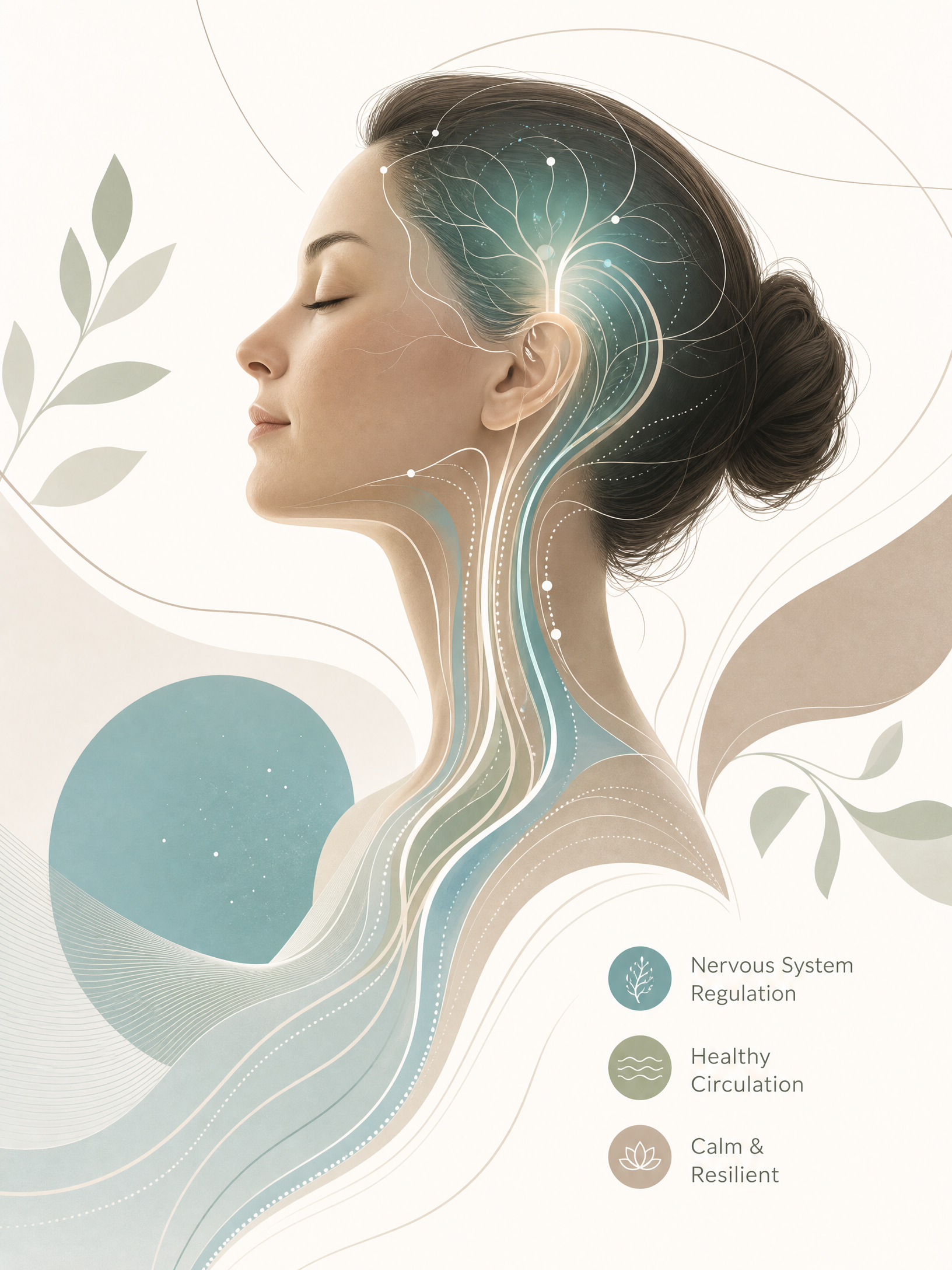
Treatment aims to regulate the flow of Qi and Blood, calm internal Wind, clear Heat when present, relieve stagnation, nourish deficiencies, and support the nervous system's capacity for regulation.
Care is individualized to each patient's pattern, with the goal of reducing migraine frequency, shortening duration, and decreasing severity over time.
Our Approach
How Blue Root Health Approaches Migraines
Migraines require a comprehensive, individualized approach that addresses triggers, nervous system regulation, cervical contributors, sleep, and the underlying patterns driving frequency and severity.
Clarify Your Pattern and Triggers
We begin by understanding your migraine history, frequency, duration, associated symptoms, and the personal triggers and patterns that influence your episodes.
Support Nervous System Regulation
Care aims to reduce the nervous system's reactivity and support more stable neurological function between episodes.
Address Cervical and Jaw Contributors
Neck tension, cervical joint dysfunction, and TMJ involvement are evaluated and addressed when they contribute to migraine frequency.
Improve Sleep and Stress Resilience
Sleep quality and stress regulation are addressed as foundational factors that influence migraine threshold and recovery.
Tailor Treatment to Your Chinese Medicine Pattern
Acupuncture and herbal medicine are individualized to your specific pattern — whether Liver Yang Rising, Blood Deficiency, or another presentation.
Monitor and Adjust Over Time
We track migraine frequency, duration, and severity to guide ongoing care and assess the effectiveness of treatment.
Therapies
Therapies We May Recommend for Migraines
The therapies below are commonly used in the care of Migraines at Blue Root Health. Not every therapy is appropriate for every patient — your care plan is individualized based on your specific pattern, diagnosis, and goals.

Acupuncture
May help reduce pain, relax muscular tension, improve circulation, regulate the nervous system, and support healthy movement.

Custom Chinese Herbal Medicine
A personalized herbal formula may be recommended when internal patterns such as chronic inflammation, impaired circulation, or persistent tension are contributing.

Therapeutic Massage
May help reduce muscular tension, improve mobility, and support recovery when it is appropriate for the diagnosis and stage of healing.
Frequently Asked Questions
Common Questions About Migraines
Related Conditions
You May Also Want to Explore

Begin Your Healing Journey
Let's Help Reduce the Frequency and Intensity of Your Migraines
Migraines can significantly affect your quality of life. We will listen to your story, evaluate the patterns contributing to your symptoms, and create a personalized plan designed to reduce migraine frequency, shorten duration, and improve your daily comfort.