

Pain & Musculoskeletal Health
Cervical Radiculopathy
Cervical radiculopathy occurs when a nerve root in the neck becomes irritated or compressed. Symptoms may begin in the neck and travel into the shoulder, arm, forearm, hand, or fingers, sometimes creating pain, numbness, tingling, or weakness.
Because the location and severity of nerve irritation can vary, cervical radiculopathy should never be treated as a generic neck-pain problem.
At Blue Root Health, we evaluate the complete pattern of symptoms and the factors affecting the cervical spine, surrounding tissues, circulation, inflammation, and nervous system. Care is then personalized to reduce irritation, support function, and promote recovery while complementing appropriate conventional medical evaluation.
Overview
Understanding Cervical Radiculopathy
The cervical spine contains seven vertebrae separated by discs and surrounded by joints, ligaments, muscles, and nerves. Nerve roots exit the spine and help carry movement and sensation between the spinal cord and the shoulders, arms, and hands.
When a cervical nerve root becomes irritated, symptoms may be felt along the pathway of that nerve rather than only at the neck. This is why one person may experience pain near the shoulder blade while another feels tingling in specific fingers or weakness in the arm.
Disc bulging or herniation, age-related narrowing, inflammation, joint changes, and injury are among the factors that may contribute. A thorough evaluation helps distinguish cervical radiculopathy from shoulder disorders, peripheral nerve entrapment, muscular referral patterns, and other conditions that can create similar symptoms.
Symptoms
Common Symptoms
Possible Causes & Risk Factors
What May Contribute
Disc material may irritate or compress a nearby nerve root, particularly when inflammation is present.
Loss of disc height and age-related changes can alter the space available for cervical nerves.
Arthritic changes may narrow the opening through which a nerve exits the spine.
Irritation of the cervical joints and surrounding tissues can contribute to local inflammation and nerve sensitivity.
Whiplash, sports injuries, falls, and repetitive strain may affect cervical structures and movement patterns.
Prolonged computer work, overhead work, and repeated head positions may aggravate an already sensitive nerve.
Protective tension around the neck and shoulder can restrict movement and add stress to irritated tissues.
Inflammatory conditions, bone health, circulation, recovery capacity, sleep, stress, and overall health may influence symptoms and healing.
The Chinese Medicine Perspective
A Different Way of Understanding
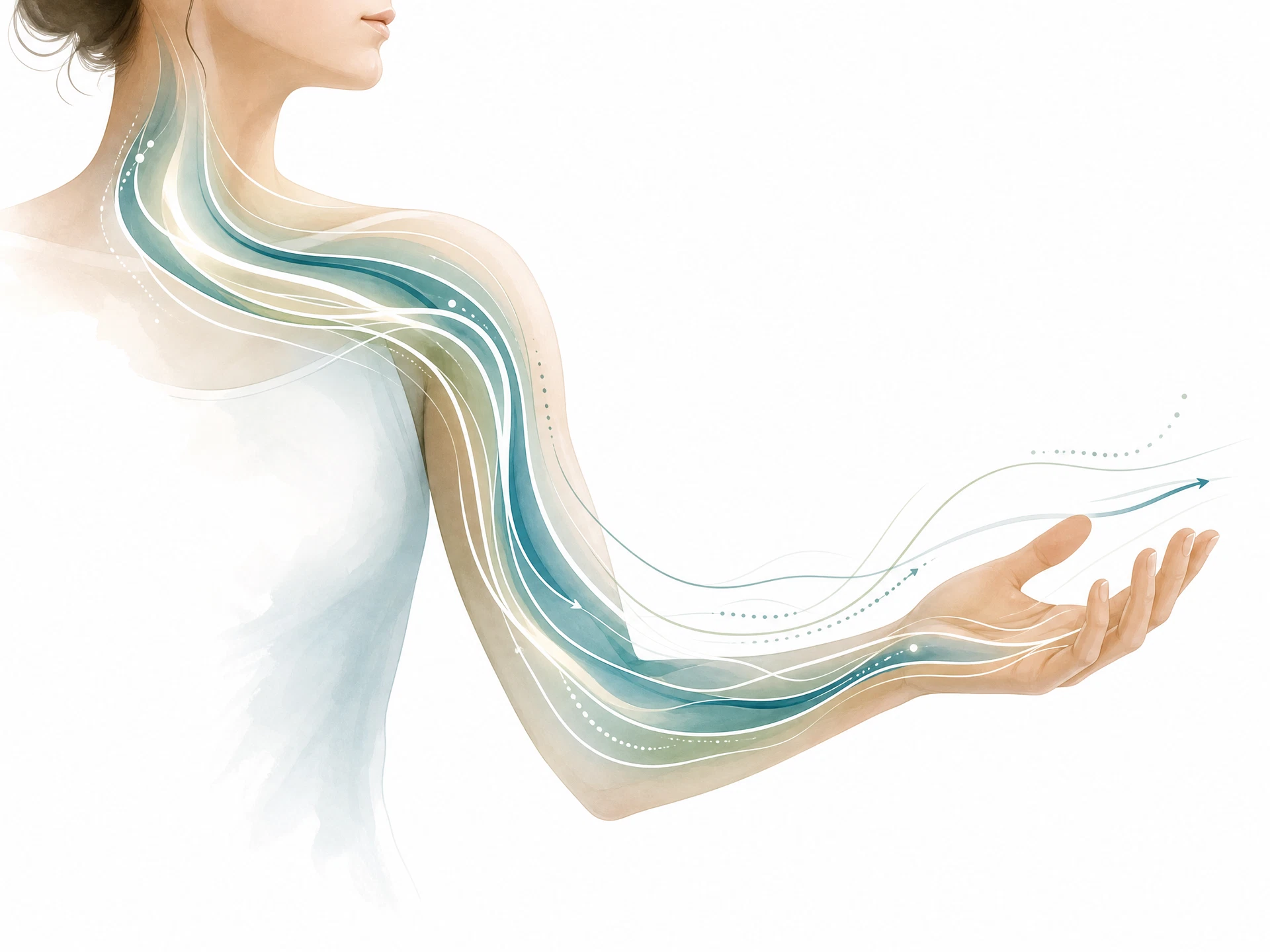
Chinese Medicine evaluates cervical radiculopathy as a disruption of healthy circulation and communication through the neck, shoulder, arm, and hand.
Pain, tingling, numbness, and weakness may reflect different combinations of Qi and Blood Stagnation, channel obstruction, inflammation, retained Cold or Dampness, or insufficient nourishment reaching the affected tissues.
The pathway of symptoms is clinically meaningful. The specific region of the neck, shoulder, arm, hand, or fingers may help identify which channels and tissues are involved, while the quality and behavior of symptoms help clarify the underlying pattern.
Treatment is individualized to move stagnation, calm irritation, improve circulation, restore nourishment, and support the constitutional factors influencing recovery.
This framework complements modern neurological and orthopedic evaluation; it does not replace appropriate imaging, specialist care, or urgent assessment when neurological deficits are present.
Our Approach
How Blue Root Health Approaches Cervical Radiculopathy
Cervical radiculopathy develops through different mechanisms and affects each person differently. Some cases involve primarily disc changes, others involve joint narrowing, inflammation, or a combination of structural and systemic factors. Our approach is designed to identify what is driving your specific pattern and address it accordingly.
Identify the Pattern of Nerve Involvement
We evaluate where symptoms begin, where they travel, which positions aggravate them, and whether sensation, strength, or reflexes have changed.
Reduce Irritation
Treatment may focus on calming local inflammation, reducing muscular guarding, and decreasing stress around the irritated nerve.
Support Healthy Circulation
Improved circulation helps nourish surrounding tissues and supports the body's repair processes.
Restore Movement Without Aggravation
Care is planned to improve comfortable movement while respecting the sensitivity of the involved nerve and cervical structures.
Address Contributing Tissues
Muscles, fascia, joints, discs, and ligaments may all influence the mechanical environment surrounding the nerve. Treatment recommendations are selected according to the structural and functional findings.
Coordinate Appropriate Care
Progressive weakness, significant sensory loss, spinal cord symptoms, severe trauma, or other concerning findings require timely conventional medical evaluation. When appropriate, Blue Root care may support recovery alongside primary care, physical therapy, orthopedic, neurological, or surgical care.
Therapies We May Recommend
Therapies We May Recommend for Cervical Radiculopathy
Treatment recommendations are based on your individual condition, examination findings, and overall health. Your personalized care plan may include one or more of the following services.
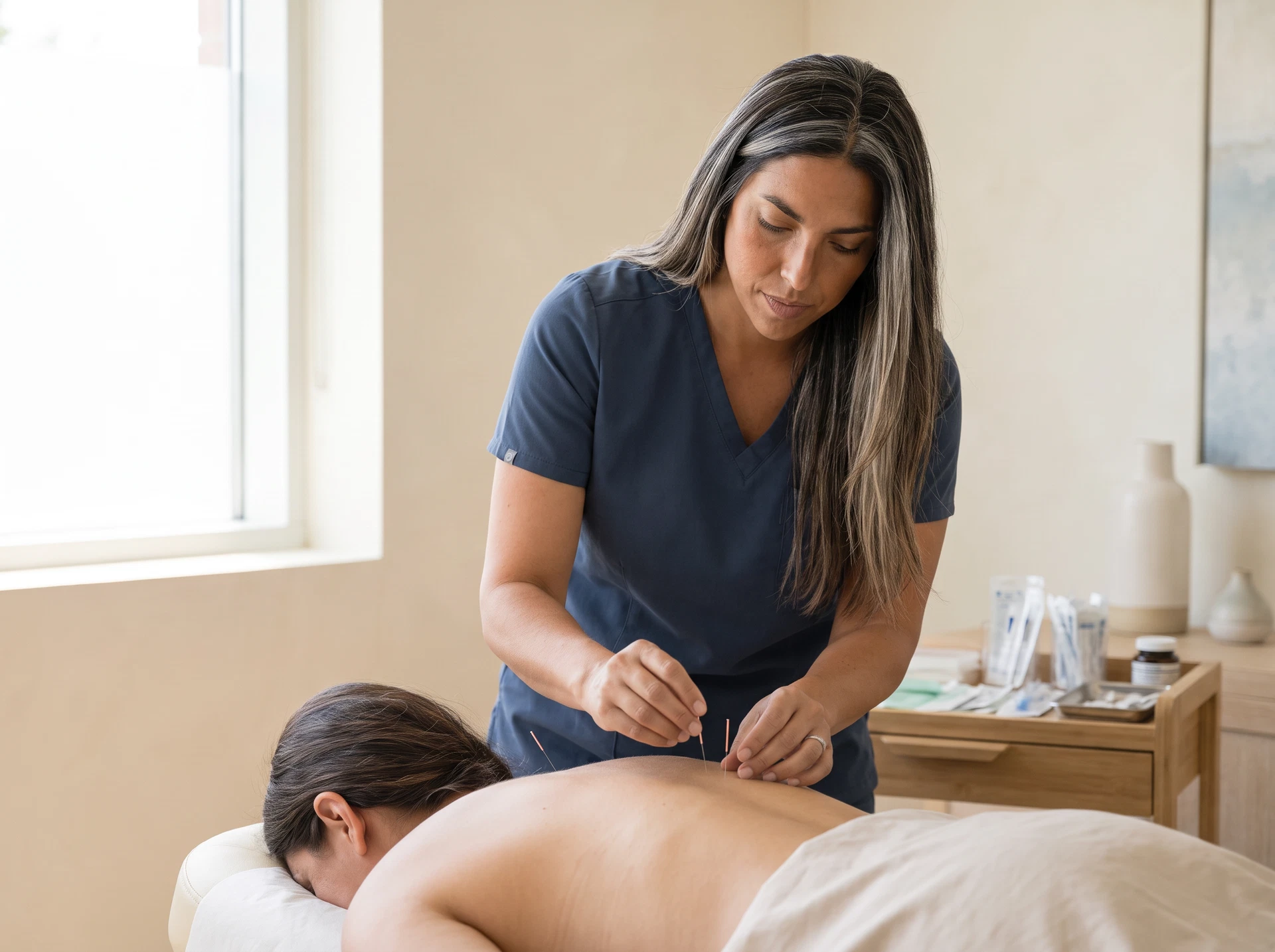
Acupuncture
May be used to reduce pain, relax protective muscular tension, regulate the nervous system, support circulation, and address the Chinese Medicine pattern contributing to symptoms.

Custom Chinese Herbal Medicine
A personalized formula may be recommended to address patterns associated with inflammation, impaired circulation, tissue nourishment, or constitutional recovery.

Injection Therapy
Targeted Injection Therapy may be considered for specific muscular, fascial, joint, ligament, or irritated nerve-related areas when clinically appropriate.
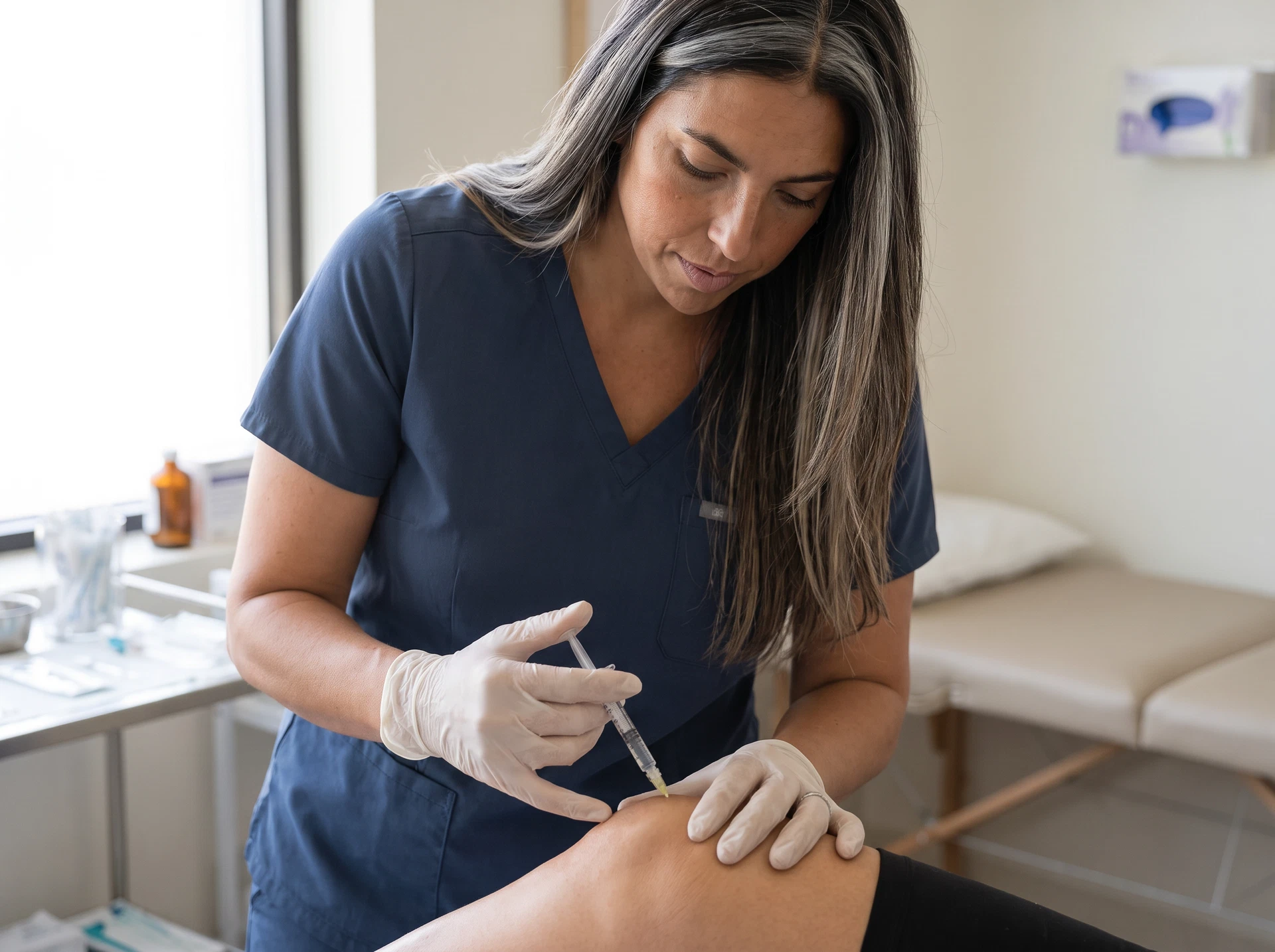
Prolozone Therapy
May be considered when chronic ligament or joint instability is contributing to the mechanical environment surrounding the cervical spine. It is not appropriate for every case of cervical radiculopathy.
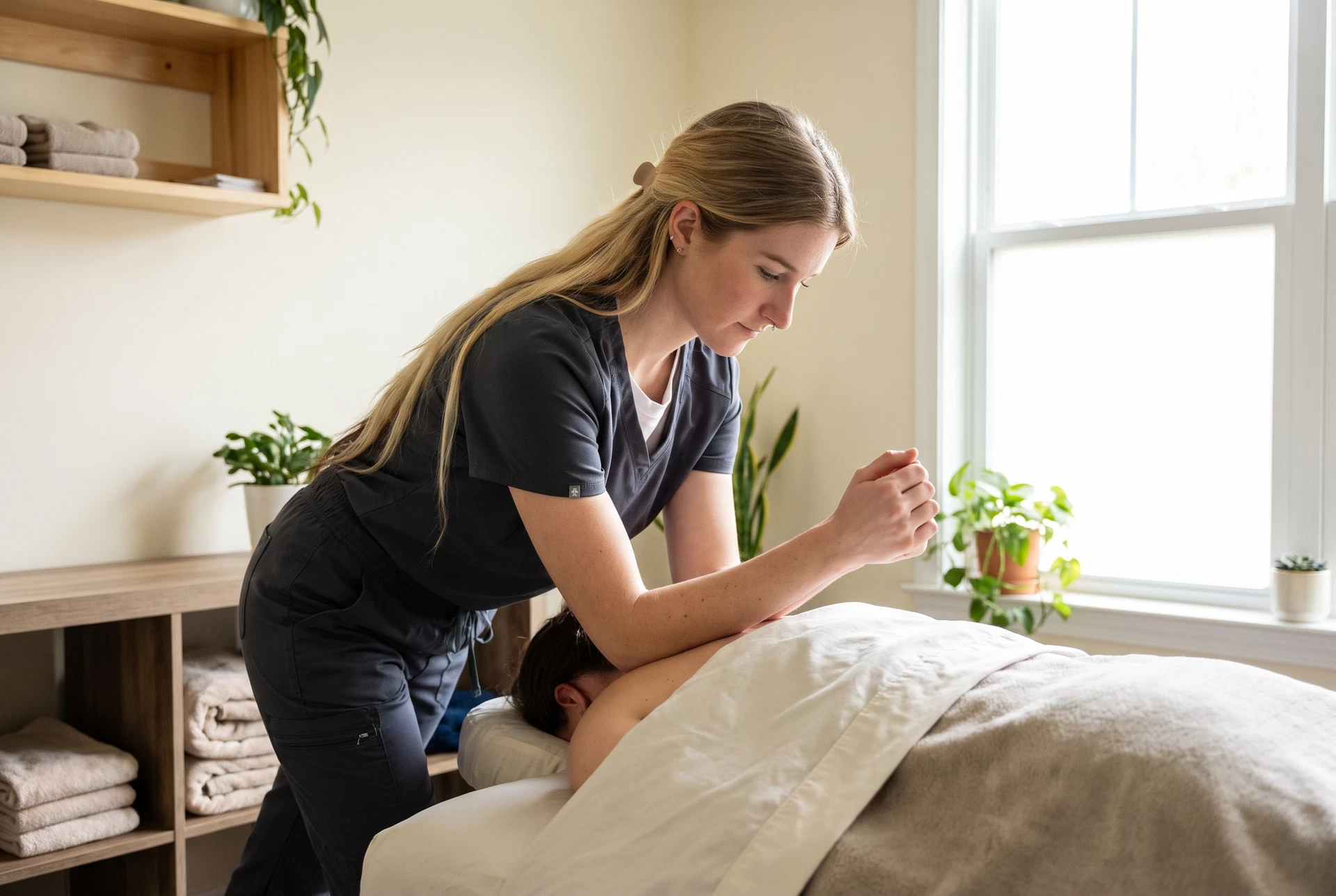
Therapeutic Massage
May be used selectively to reduce surrounding muscular tension and support mobility. Deep or aggressive work is not appropriate when it aggravates neurological symptoms.
Frequently Asked Questions
Common Questions
Related Conditions
You May Also Want to Explore

Find the Right Place to Begin
Pain, tingling, numbness, or weakness traveling into the arm deserves a careful, individualized evaluation. We will listen to your story, assess the pattern of your symptoms, and help you understand whether Blue Root care is appropriate as part of your recovery plan.