
Pain & Musculoskeletal Health
Bulging & Herniated Discs
Personalized Care Supporting Recovery from Disc-Related Pain
Disc injuries can produce significant pain, numbness, weakness, and reduced mobility. Whether your symptoms developed suddenly or gradually over time, treatment should focus on understanding both the injured tissue and the surrounding structures contributing to your symptoms.
At Blue Root Health, we combine Chinese Medicine with advanced integrative therapies to help reduce pain while supporting your body's natural healing process.
Overview
Understanding Bulging & Herniated Discs
The discs between the vertebrae help the spine absorb pressure and move comfortably. A bulging disc extends beyond its usual boundary, while a herniated disc develops when material from inside the disc moves through a weakened or damaged area in its outer layer.
The presence of a bulging or herniated disc does not always determine how a person feels. Many people have disc changes without pain, while others experience significant symptoms when inflammation, nerve irritation, muscular compensation, joint dysfunction, or ligament instability affects the surrounding area.
Symptoms may remain near the neck or back or travel into an arm or leg. Understanding how the imaging findings relate to the patient's symptoms, movement, strength, sensation, and overall health is essential when creating an individualized treatment plan.
Symptoms
Common Symptoms of Bulging & Herniated Discs
Disc-related symptoms vary widely depending on the location of the disc, the structures involved, and the individual's overall health. Not every patient will experience all of the symptoms below.
Possible Causes
What May Be Contributing to Your Symptoms
Disc-related pain rarely has a single cause. The following factors are commonly involved — and many patients have more than one contributing to their symptoms.
Disc Injury
Symptoms may begin after lifting, twisting, impact, repetitive strain, or another injury affecting the disc and surrounding tissues.
Gradual Disc Changes
Disc changes may also develop gradually over time rather than after one identifiable event.
Inflammation
Inflammation surrounding the disc may increase local pain and contribute to nerve irritation.
Nerve Irritation
Disc material and surrounding inflammation may irritate or compress a nearby spinal nerve.
Muscular Compensation
Protective tension and altered movement may place additional stress on the spine and surrounding tissues.
Joint Dysfunction
Changes in the way nearby spinal joints move may influence pain, stiffness, and function.
Ligament Instability
When present, chronic ligament instability may affect the mechanical environment surrounding the injured disc.
Repetitive Mechanical Stress
Repeated lifting, bending, twisting, prolonged sitting, or sustained positions may continue aggravating sensitive tissues.
A Different Framework
The Chinese Medicine Perspective on Disc-Related Pain
Chinese Medicine recognizes trauma, stagnation, Kidney Deficiency, and chronic obstruction within the channels as common contributors to disc-related pain.
The location and quality of the symptoms help identify the pattern involved. Sharp or fixed pain may reflect Blood Stagnation, while stiffness, heaviness, weakness, or symptoms influenced by temperature and weather may indicate additional patterns.
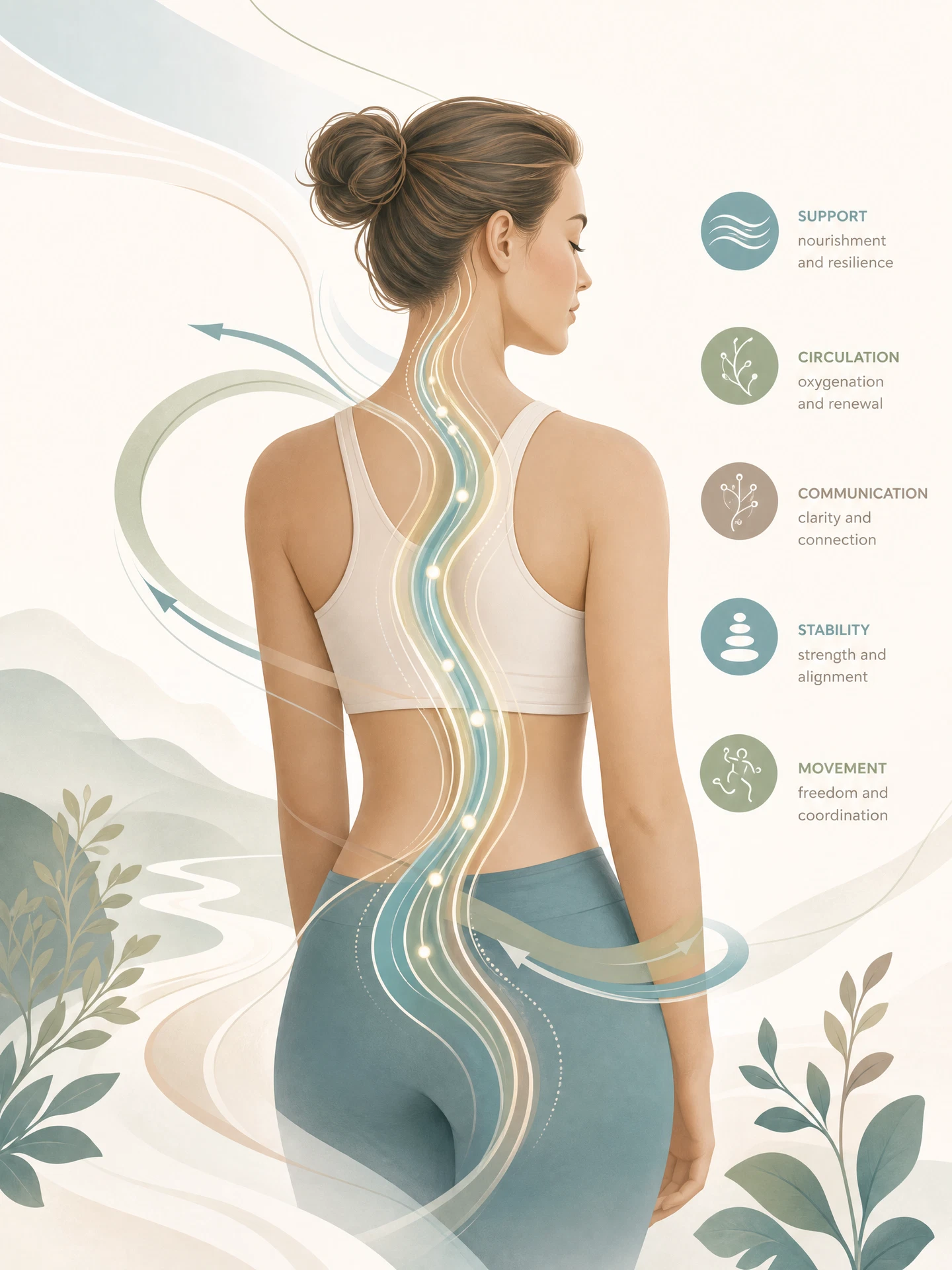
Treatment is individualized according to each person's presentation. The goal is to restore the healthy movement of Qi and Blood, reduce obstruction, support the affected tissues, and strengthen the constitutional factors influencing recovery.
Treatment is then designed to restore healthier circulation, reduce tension, support tissue nourishment, and address the underlying pattern contributing to the condition.
Our Approach
How Blue Root Health Approaches Bulging & Herniated Discs
Every disc injury is different. Our approach is designed to understand how imaging findings relate to your specific symptoms, movement, and function — and to address the complete pattern rather than the MRI finding alone.
Look Beyond the MRI
We evaluate how imaging findings relate to symptoms, movement, strength, sensation, and daily function rather than treating the MRI finding alone.
Understand the Complete Mechanical Pattern
The disc does not function in isolation. Muscles, joints, ligaments, fascia, posture, movement, and previous injuries may all influence the area.
Reduce Pain & Irritation
Care may focus on reducing pain, calming inflammation, decreasing muscular guarding, and reducing stress around irritated tissues.
Support Healthy Circulation
Improved circulation helps nourish surrounding tissues and supports the body's natural healing process.
Restore Movement
Treatment is designed to improve comfortable movement while avoiding repeated aggravation of the disc or nearby nerves.
Coordinate Appropriate Care
Significant or progressive weakness, sensory loss, difficulty walking, spinal cord symptoms, severe trauma, or changes in bladder or bowel control require timely conventional medical evaluation.
Therapies We May Recommend
Therapies We May Recommend for Disc-Related Pain
The therapies below are commonly used in the care of disc-related conditions at Blue Root Health. Not every therapy is appropriate for every patient — your care plan is individualized based on your specific pattern, diagnosis, and goals.
Acupuncture
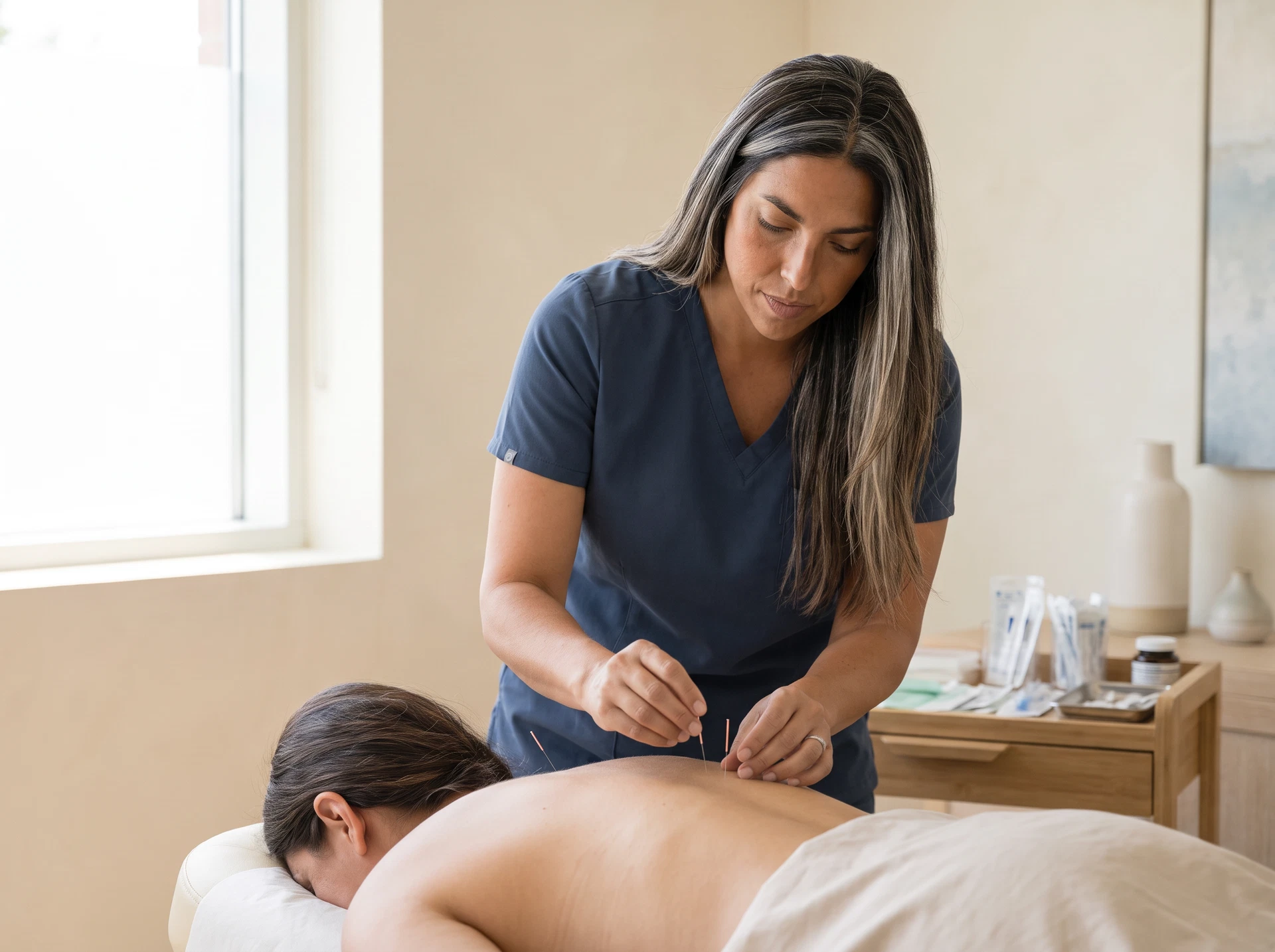
May be used to reduce pain, relax protective muscular tension, support circulation, regulate the nervous system, and address the Chinese Medicine pattern contributing to symptoms.

Custom Chinese Herbal Medicine
A personalized formula may be recommended to address patterns associated with inflammation, impaired circulation, tissue nourishment, and constitutional recovery.
Injection Therapy
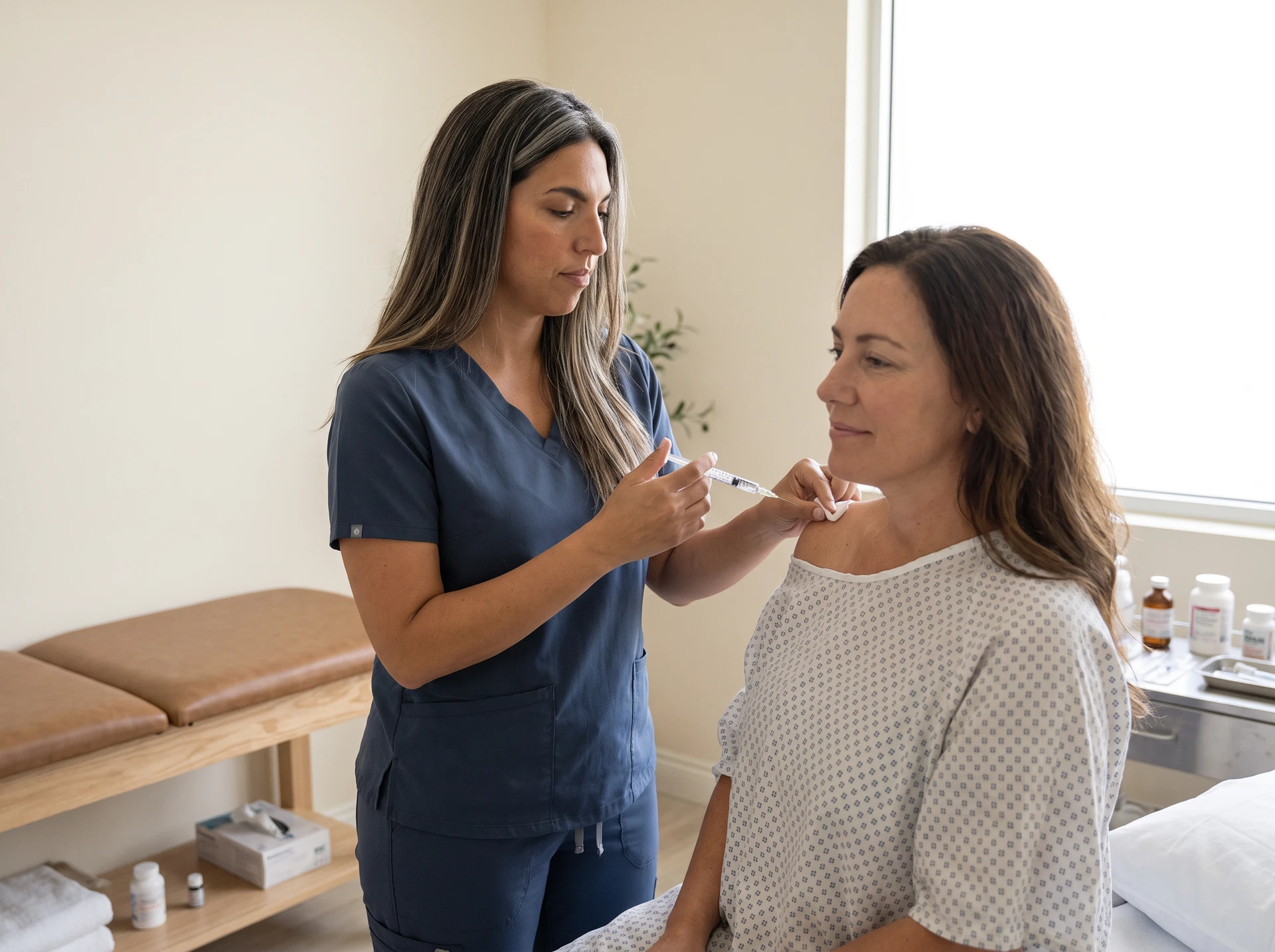
Targeted Injection Therapy may be considered for specific muscular, fascial, ligament, joint, disc-related, or irritated nerve areas when clinically appropriate.
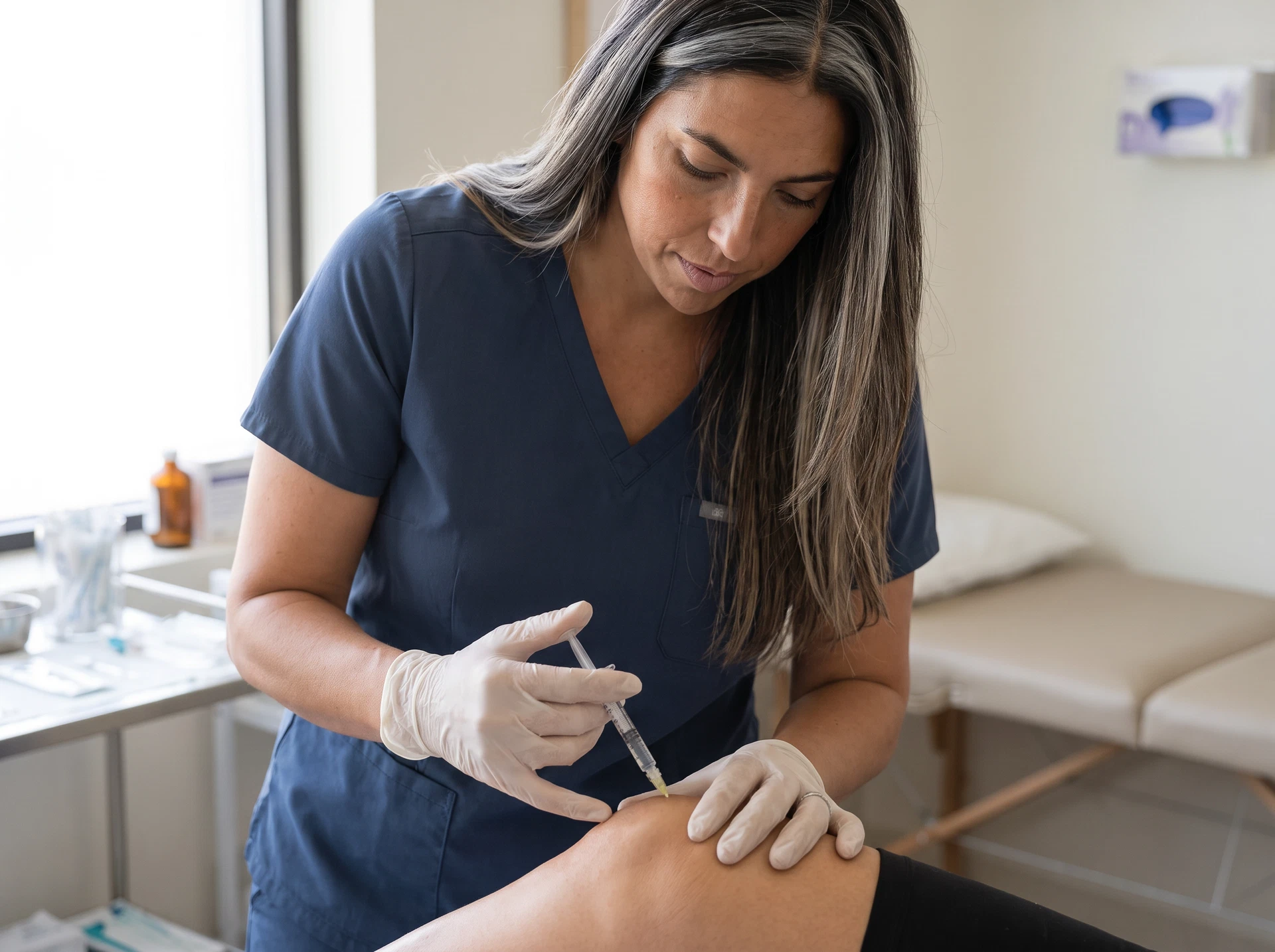
Prolozone Therapy
May be considered when chronic ligament instability or joint dysfunction contributes to the mechanical environment surrounding the affected spinal region.
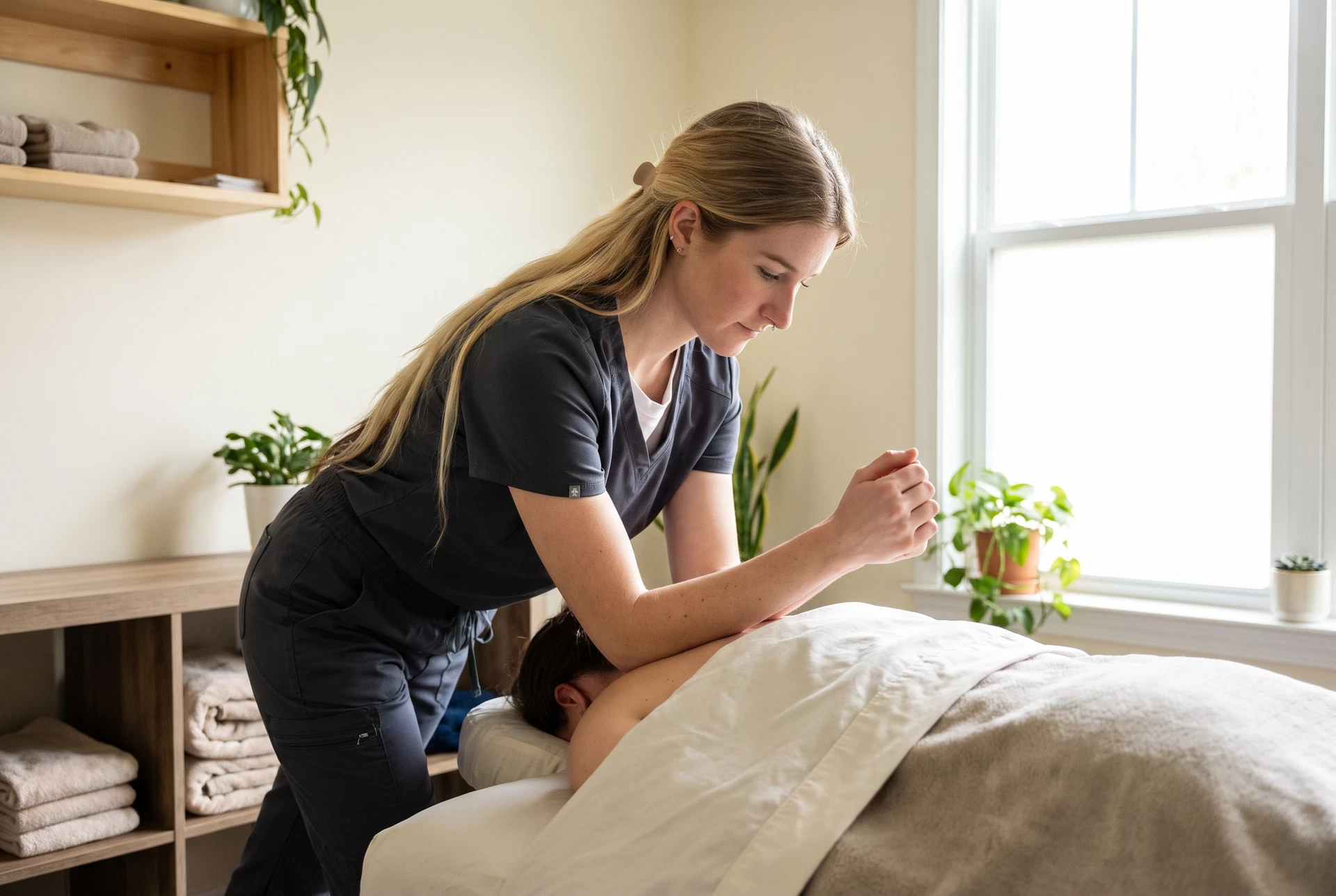
Therapeutic Massage
May be used selectively to reduce surrounding muscular tension and support mobility. Deep or aggressive work is not appropriate when it aggravates nerve-related symptoms.
Frequently Asked Questions
Common Questions
Related Conditions
You May Also Want to Explore

Return to the Activities You Enjoy
A disc finding is only one part of your health story. We will listen to your symptoms, evaluate how your movement and function have changed, and create a personalized treatment plan designed to reduce pain, restore movement, and support recovery.
Schedule Your Consultation