

Pain & Musculoskeletal Health
Lumbar Radiculopathy
Personalized Care for Low Back Pain, Leg Symptoms, and Lumbar Nerve Irritation
Lumbar radiculopathy occurs when a nerve root in the lower spine becomes irritated or compressed. Symptoms may be felt in the low back, but they often travel into the hip, buttock, thigh, lower leg, or foot.
The experience can range from aching or burning pain to numbness, tingling, cramping, or weakness. Because several spinal, muscular, and peripheral nerve conditions can create similar symptoms, understanding the source matters.
At Blue Root Health, we evaluate the complete symptom pattern and create individualized care designed to reduce irritation, support circulation and healing, restore function, and complement appropriate conventional medical care.
Overview
Understanding Lumbar Radiculopathy
Nerve roots leave the lumbar spine and contribute to sensation and movement throughout the hips and legs. When one of these nerve roots becomes irritated, symptoms may appear anywhere along its pathway.
Some people experience low back pain with leg symptoms. Others feel little back pain and primarily notice burning, tingling, numbness, or weakness in the leg or foot.
Possible contributors include a bulging or herniated disc, inflammation, degenerative narrowing, joint changes, previous injury, or other conditions that reduce the space surrounding a nerve.
Evaluation should also consider hip disorders, muscular referral patterns, peripheral neuropathy, vascular concerns, and other conditions that may resemble lumbar radiculopathy.
Symptoms
Common Symptoms of Lumbar Radiculopathy
Lumbar radiculopathy presents differently from person to person. The symptoms below are commonly associated with lumbar nerve irritation — though not every patient will experience all of them.
Possible Causes
What May Be Contributing to Your Symptoms
Lumbar radiculopathy rarely has a single cause. The following factors are commonly involved — and many patients have more than one contributing to their symptoms.
Bulging or Herniated Disc
Disc material and surrounding inflammation may irritate a lumbar nerve root.
Degenerative Narrowing
Age-related changes may reduce space within the spinal canal or the openings where nerves exit.
Joint Changes
Arthritis or inflammation in the lumbar joints may alter movement and contribute to irritation around nearby structures.
Previous Injury
Falls, lifting injuries, sports trauma, or repeated strain may affect discs, joints, muscles, or movement patterns.
Repetitive Loading
Frequent lifting, bending, twisting, prolonged sitting, or sustained standing may aggravate sensitive tissues.
Muscular Guarding
Protective tension through the low back, hips, and pelvis may restrict movement and increase mechanical stress.
Inflammation & Recovery Capacity
Sleep, stress, metabolic health, circulation, systemic inflammation, and overall health may influence pain sensitivity and healing.
A Different Framework
The Chinese Medicine Perspective on Lumbar Radiculopathy
Chinese Medicine evaluates lumbar radiculopathy through the quality, location, and pathway of the symptoms as well as the patient's broader constitutional pattern.
Sharp or fixed pain may reflect Blood Stagnation. Heaviness or symptoms aggravated by damp weather may suggest Dampness. Cold, tight pain may indicate Cold obstruction, while burning or inflamed symptoms may reflect Heat.
Chronic weakness or recurrent low back symptoms may also involve insufficient nourishment of the tendons, bones, and nervous system within the Chinese Medicine framework.
Treatment is then designed to restore healthier circulation, reduce tension, support tissue nourishment, and address the underlying pattern contributing to the condition.

Our Approach
How Blue Root Health Approaches Lumbar Radiculopathy
Lumbar radiculopathy develops through different mechanisms and affects each person differently. Our approach is designed to identify what is driving your specific pattern and address it accordingly.
Clarify the Source of Symptoms
We evaluate where symptoms begin, where they travel, which positions or movements affect them, and whether strength, sensation, gait, or reflexes have changed.
Reduce Nerve Irritation
Care may focus on calming inflammation, reducing protective muscle guarding, and decreasing stress around the affected nerve.
Support Circulation & Healing
Improving circulation and tissue nourishment can support the body's natural repair processes and recovery.
Restore Functional Movement
Treatment is designed to improve comfortable movement without repeatedly aggravating the nerve or surrounding spinal structures.
Address the Whole Mechanical Pattern
The lumbar spine, pelvis, hips, muscles, fascia, joints, discs, and ligaments work together. Care considers how these structures influence one another.
Monitor Neurological Function
Changes in strength, sensation, reflexes, gait, and bladder or bowel function are clinically important. Concerning or progressive findings require timely conventional medical evaluation.
Therapies We May Recommend
Therapies We May Recommend for Lumbar Radiculopathy
The therapies below are commonly used in the care of lumbar radiculopathy at Blue Root Health. Not every therapy is appropriate for every patient — your care plan is individualized based on your specific pattern, diagnosis, and goals.
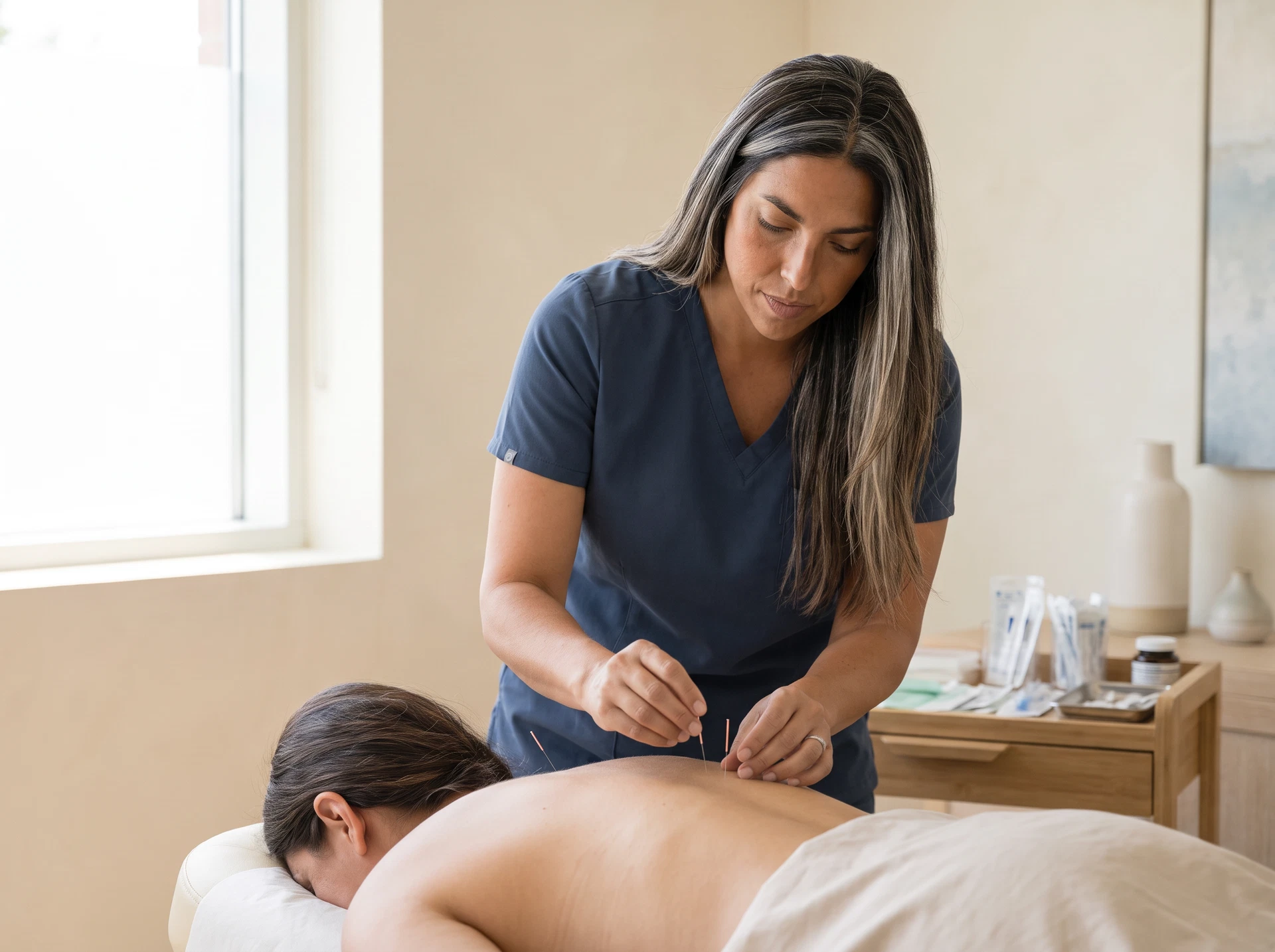
Acupuncture
May be used to reduce pain, relax protective muscular tension, support circulation, regulate the nervous system, and address the Chinese Medicine pattern contributing to symptoms.

Custom Chinese Herbal Medicine
A personalized formula may be recommended to support circulation, reduce inflammatory patterns, nourish tissues, and strengthen constitutional recovery.

Injection Therapy
Targeted Injection Therapy may be considered when specific muscles, fascia, ligaments, joints, or irritated tissues require additional support.
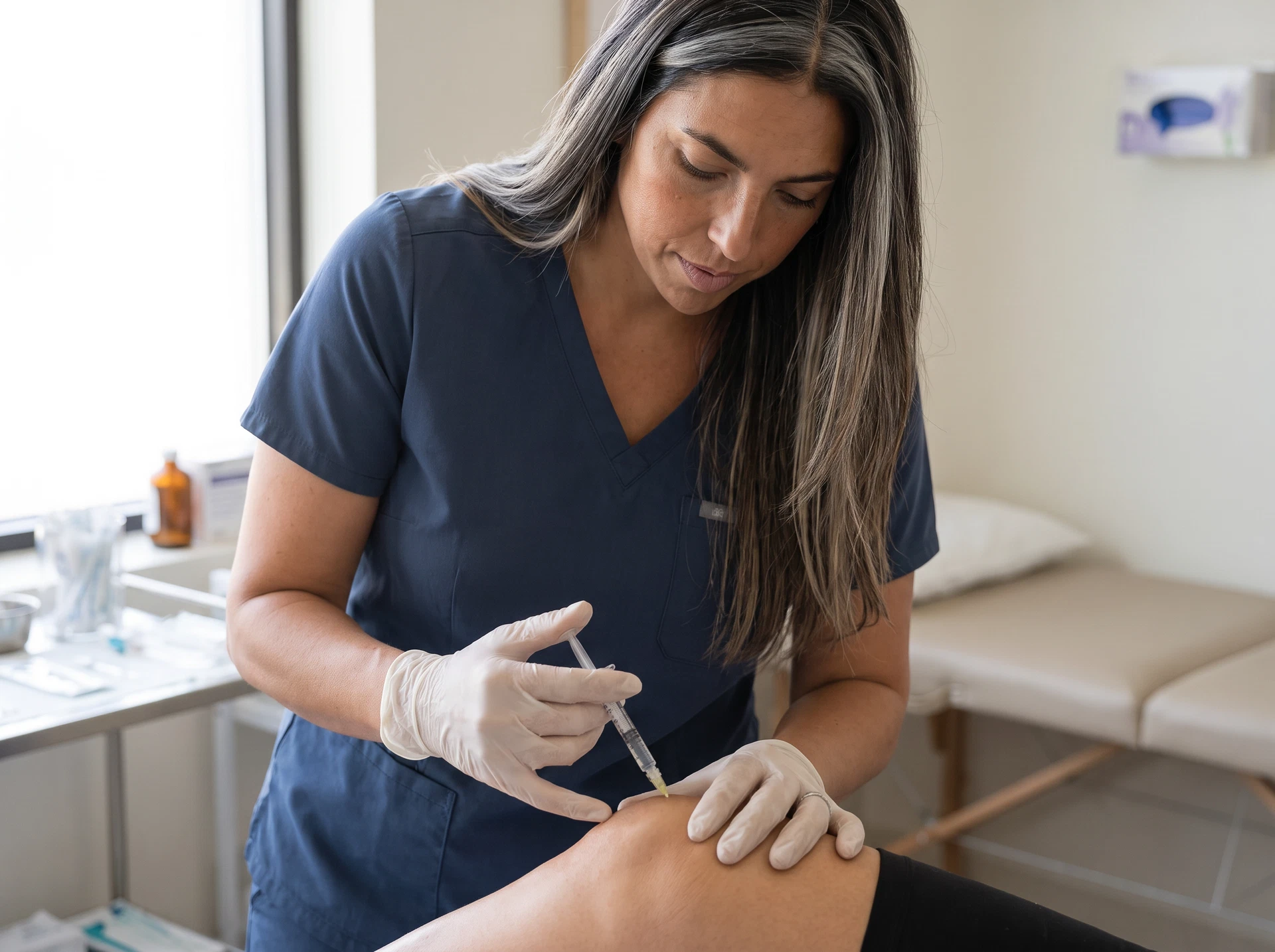
Prolozone Therapy
May be considered when chronic ligament or joint instability contributes to the mechanical pattern. It is recommended only when clinically appropriate.
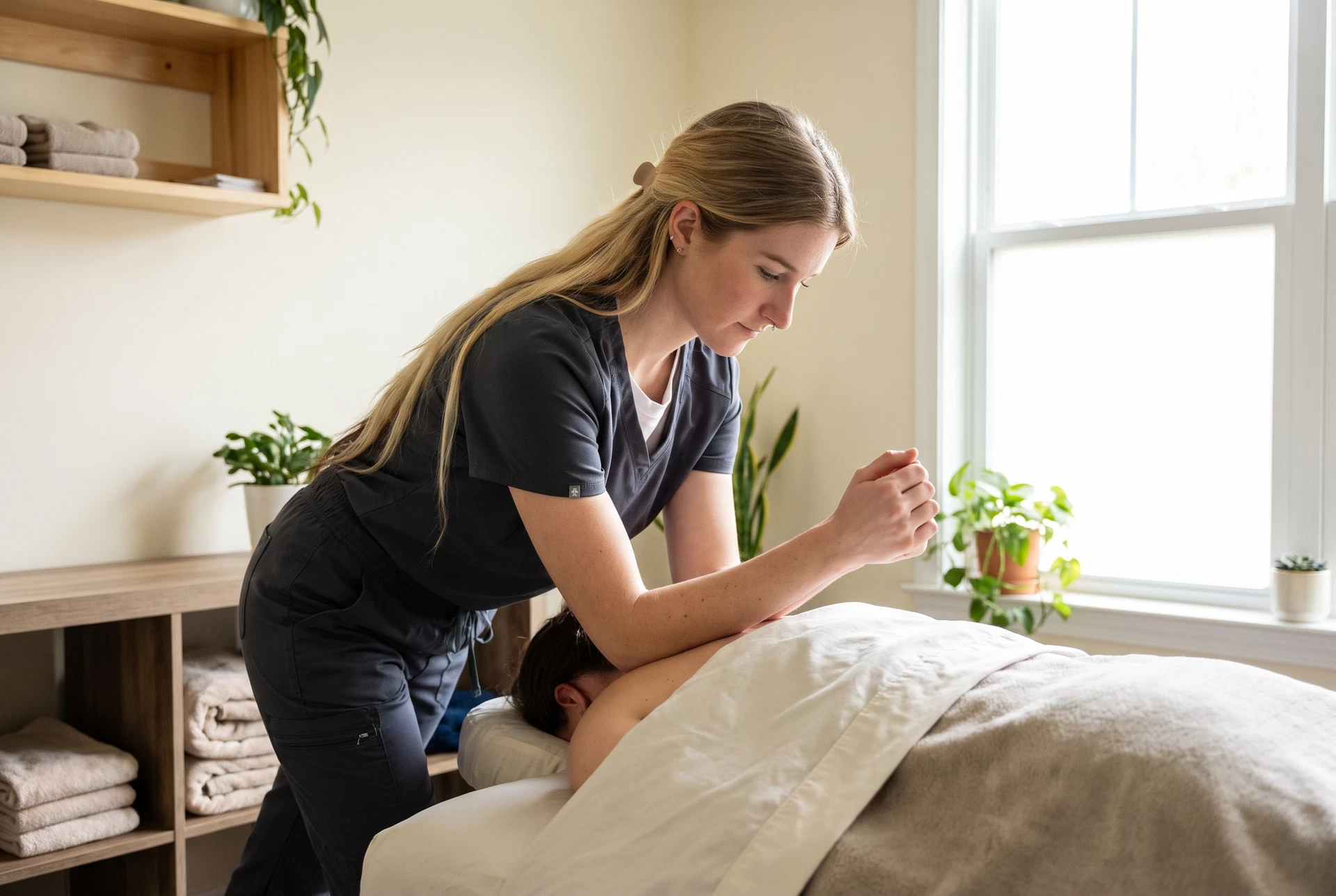
Therapeutic Massage
May help reduce muscular guarding and support mobility when it is appropriate for the diagnosis and stage of nerve irritation.
Frequently Asked Questions
Common Questions
Related Conditions
You May Also Want to Explore

Take the First Step Toward Moving More Comfortably
Radiating pain, numbness, tingling, or weakness can make even ordinary movement feel uncertain. We will listen to your story, evaluate the pattern of your symptoms, and help you understand the most appropriate place to begin.
Schedule Your Consultation