
Pain & Musculoskeletal Health
Muscle Pain
Personalized Care Supporting Recovery from Muscular Pain and Dysfunction
Overview
Understanding Muscle Pain
Muscle pain may develop after exercise, repetitive work, injuries, poor posture, or chronic tension. Muscles, tendons, and fascia work together to support movement. When these tissues are overloaded or coordination changes, pain and dysfunction can follow.
Muscle pain often reflects more than overuse. Stress, poor movement patterns, previous injuries, inflammation, and compensatory patterns in surrounding structures may all contribute.
Understanding the specific tissues involved and the factors driving the pattern helps ensure that treatment is appropriately targeted and individualized to support lasting recovery.
Symptoms
Common Symptoms of Muscle Pain
Symptoms present differently from person to person. The symptoms below are commonly associated with this condition — though not every patient will experience all of them.
Possible Causes
What May Be Contributing to Your Muscle Pain
This condition rarely has a single cause. The following factors are commonly involved — and many patients have more than one contributing to their symptoms.
Exercise or Overuse
Unaccustomed activity, increased training load, or repetitive strain may irritate sensitive tissues.
Repetitive Work
Prolonged or repeated tasks can overload specific muscle groups over time.
Acute Strain or Injury
Sudden stretching or loading may create microtears that trigger pain and protective tension.
Poor Posture & Ergonomics
Sustained positions can place uneven stress on muscles, contributing to tightness and fatigue.
Chronic Tension & Stress
Emotional or physical stress may increase baseline muscular guarding and pain sensitivity.
Previous Injuries & Compensation
Old injuries can alter movement patterns, causing other muscles to compensate and become painful.
Inflammation
Local inflammation may contribute to soreness, stiffness, and reduced comfortable movement.
Movement Pattern Dysfunction
Inefficient coordination, mobility limits, or weakness may change how forces are distributed.
Deconditioning
Reduced strength or endurance may make ordinary activities feel harder and more symptomatic.
A Different Framework
The Chinese Medicine Perspective on Muscle Pain
Chinese Medicine focuses on restoring the smooth circulation of Qi and Blood while addressing the underlying pattern contributing to muscular dysfunction.
The quality and behavior of the pain — dull, achy, cramping, or sharp — help identify the channels and tissues involved. Broader patterns such as stress, overwork, or constitutional weakness are also considered.
Treatment is individualized to promote circulation, relax spasm, reduce stagnation, and support the body's capacity to heal so that movement becomes more comfortable and resilient.
Care may include acupuncture, herbal medicine, and targeted therapies designed to address both the local tissue and the underlying pattern contributing to the condition.
Our Approach
How Blue Root Health Approaches Muscle Pain
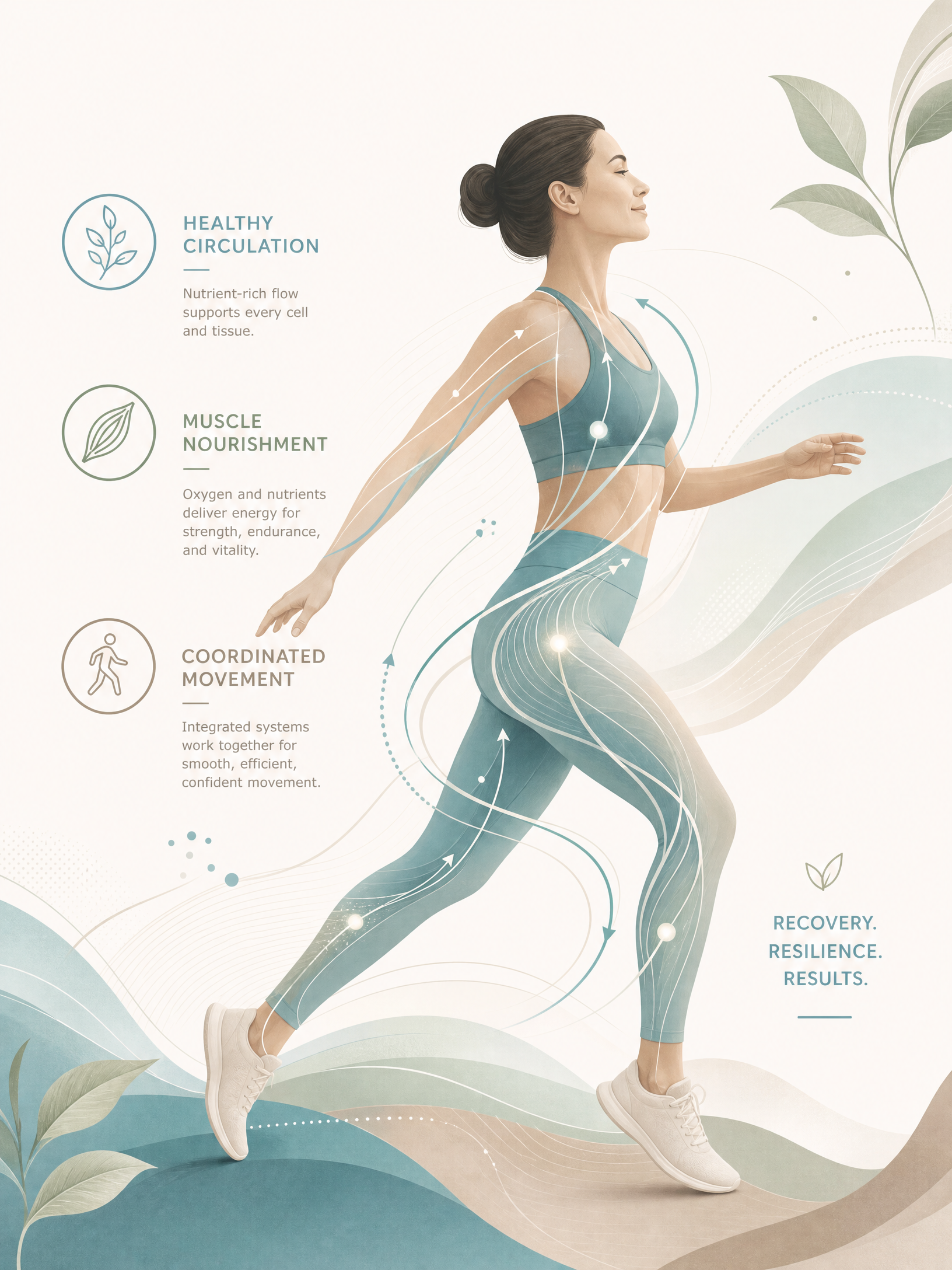
Muscle pain develops through many different pathways — overuse, injury, postural strain, stress, and systemic factors. Our approach is designed to identify what is driving your specific pattern and address it accordingly.
Identify the Tissues Involved
We begin by understanding which muscles, tendons, and fascial structures are contributing to your symptoms, and what factors aggravate or relieve them.
Reduce Pain, Spasm, and Irritation
Initial treatment focuses on reducing muscular tension, calming inflammation, and restoring comfortable movement.
Restore Comfortable Mobility
Care is designed to improve range of motion, reduce protective guarding, and support more comfortable daily function.
Address Movement and Ergonomics
Posture, movement patterns, workstation setup, and activity demands are reviewed and addressed as part of the plan.
Support Strength and Recovery
As symptoms improve, treatment shifts toward supporting muscular strength, coordination, and resilience.
Address Systemic Contributors
Stress, sleep, hormonal patterns, and nutritional factors that may influence muscular health are considered and integrated into care.
Therapies
Therapies We May Recommend for Muscle Pain
The therapies below are commonly used in the care of Muscle Pain at Blue Root Health. Not every therapy is appropriate for every patient — your care plan is individualized based on your specific pattern, diagnosis, and goals.

Acupuncture
May help reduce pain, relax muscular tension, improve circulation, regulate the nervous system, and support healthy movement.

Custom Chinese Herbal Medicine
A personalized herbal formula may be recommended when internal patterns such as chronic inflammation, impaired circulation, or persistent tension are contributing.

Injection Therapy
May be incorporated when localized muscles, fascia, ligaments, joints, or irritated tissues require more targeted support.

Therapeutic Massage
May help reduce muscular tension, improve mobility, and support recovery when it is appropriate for the diagnosis and stage of healing.
Frequently Asked Questions
Common Questions About Muscle Pain
Related Conditions
You May Also Want to Explore

Begin Your Healing Journey
Let's Help Restore Comfortable Movement
Whether your muscle pain is recent or has been limiting you for years, the first step is understanding what is contributing to it. We will listen to your story, evaluate your symptoms, and create a personalized plan designed to reduce pain, restore movement, and support lasting recovery.