
Pain & Musculoskeletal Health
Golfer's Elbow
Personalized Care Supporting Recovery from Medial Elbow Pain
Overview
Understanding Golfer's Elbow
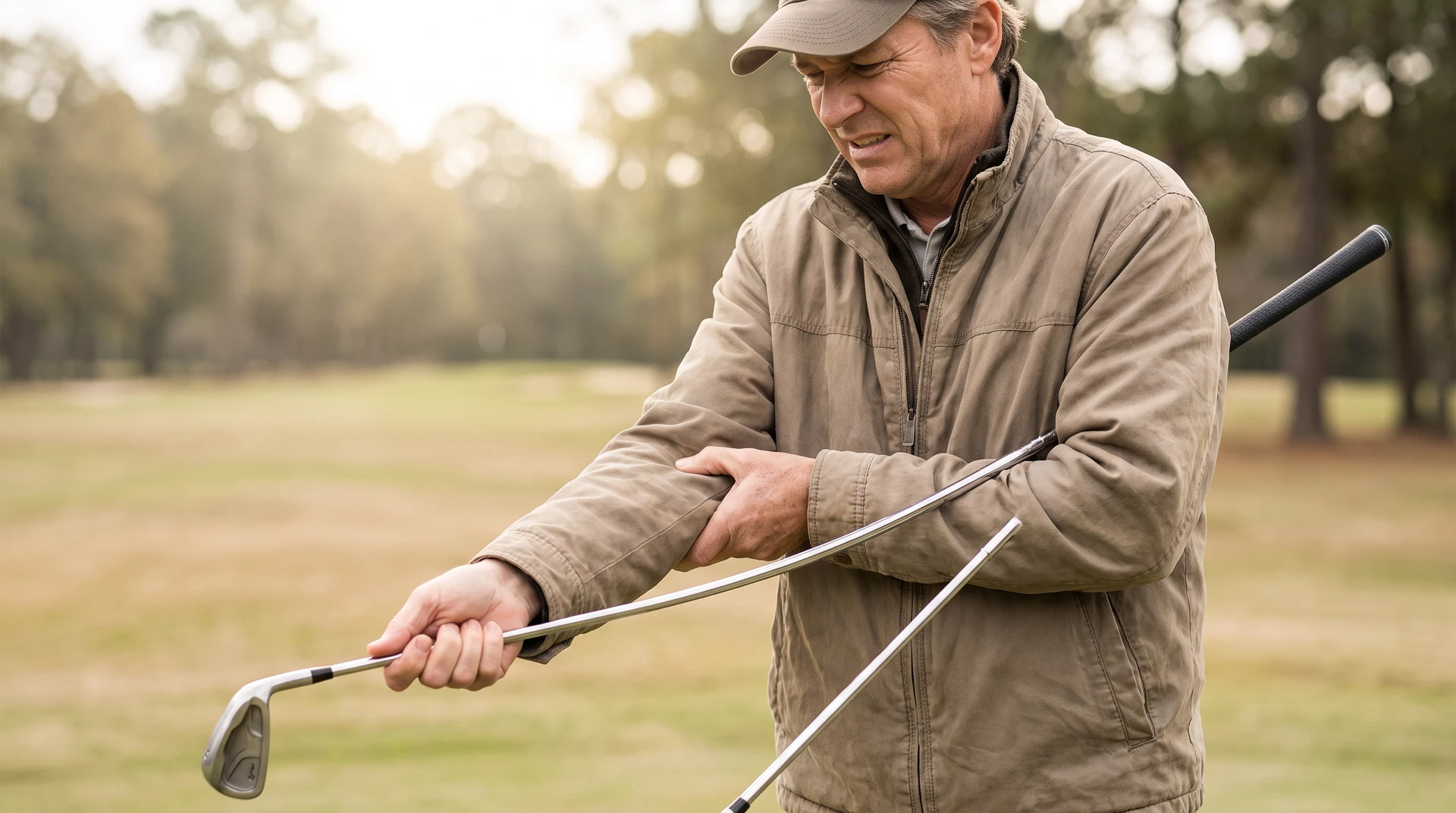
Golfer's Elbow (Medial Epicondylitis) involves pain and tenderness on the inner side of the elbow, where the forearm flexor tendons attach to the medial epicondyle of the humerus.
Like tennis elbow, this condition affects many people who do not play golf. Repetitive gripping, wrist flexion, throwing, and overhead activities are common contributors. Symptoms may also travel into the forearm and hand.
Understanding which tissues are involved and what is contributing to the irritation helps ensure that treatment is appropriately targeted and individualized to support lasting recovery.
Symptoms
Common Symptoms of Golfer's Elbow
Symptoms present differently from person to person. The symptoms below are commonly associated with this condition — though not every patient will experience all of them.
Possible Causes
What May Be Contributing to Your Golfer's Elbow
This condition rarely has a single cause. The following factors are commonly involved — and many patients have more than one contributing to their symptoms.
Repetitive Wrist Flexion & Gripping
Repeated wrist flexion, forearm pronation, and gripping motions load the common flexor tendon at the medial epicondyle.
Overuse & Microtears
Accumulated micro-stress can exceed the tendon’s capacity, leading to irritation and pain over time.
Inflammation
Local inflammatory processes may increase pain and limit comfortable use of the arm.
Tendon Degeneration (Tendinopathy)
Chronic overload may result in degenerative tendon changes rather than acute inflammation alone.
Muscular Imbalance
Imbalances between wrist flexors and extensors or reduced shoulder/scapular support can alter loading at the elbow.
Poor Ergonomics
Prolonged computer work, mousing, or tool use with suboptimal setup may increase strain on the medial elbow.
Technique or Equipment Factors
Swing mechanics, grip size, training volume, or sudden changes in activity may contribute to symptoms.
Previous Injury
Prior elbow, shoulder, or neck injuries can influence current symptoms and recovery.
Limited Mobility Upstream
Restricted shoulder or thoracic mobility may shift stress toward the medial elbow during activity.
A Different Framework
The Chinese Medicine Perspective on Golfer's Elbow
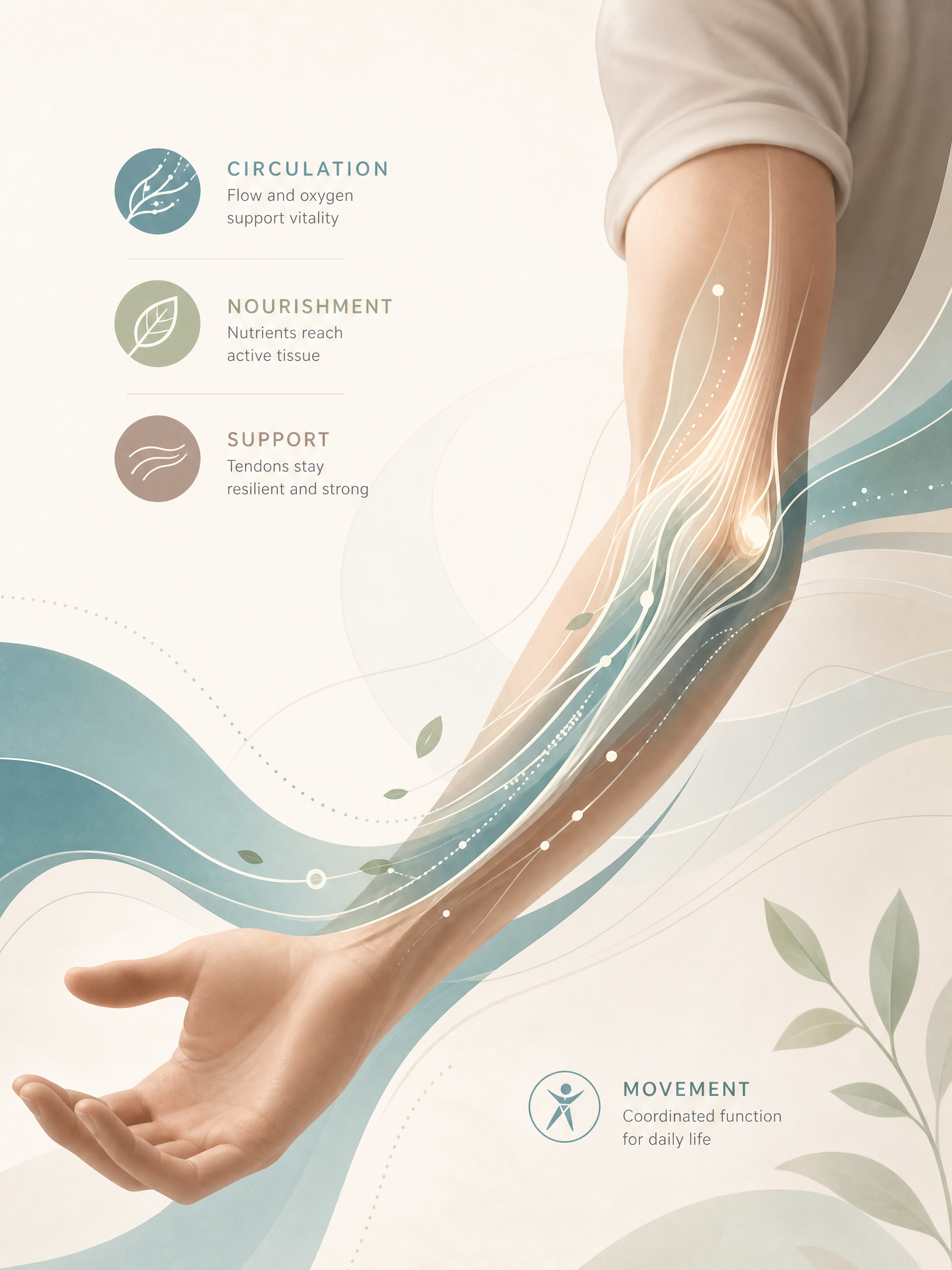
Chinese Medicine focuses on restoring healthy circulation through the affected channels while reducing stagnation and supporting tissue healing.
The Heart and Pericardium channels run along the inner arm and elbow. Obstruction of Qi and Blood through these channels — often from repetitive strain, Cold exposure, or constitutional weakness — may contribute to medial elbow pain.
The location, quality, and behavior of the pain help identify the channels and tissues involved, while the patient's broader health pattern helps guide herbal formulas and point selection.
Treatment is individualized according to each patient's presentation. The goal is to restore healthy circulation, reduce obstruction, improve comfort, and support lasting tissue recovery.
Our Approach
How Blue Root Health Approaches Golfer's Elbow
Golfer's Elbow develops through repetitive strain, overuse, and tissue vulnerability. Our approach is designed to identify what is driving your specific pattern and address it accordingly.
Clarify the Tissues Involved
We evaluate whether symptoms point to the common flexor tendon, medial epicondyle, ulnar nerve, or surrounding musculature.
Reduce Pain and Calm Irritation
Initial treatment focuses on reducing tendon irritation, calming inflammation, and easing protective muscular tension in the forearm.
Support Tendon Healing
When chronic degeneration or tendinopathy is present, treatment is directed toward circulation, tissue repair, and recovery.
Address Load and Activity Factors
Grip strength, repetitive tasks, throwing mechanics, and ergonomic factors are reviewed and addressed as part of the plan.
Restore Comfortable Function
Care is designed to improve grip strength, reduce pain with daily activities, and support return to work and sport.
Reduce Recurrence
As symptoms improve, treatment shifts toward maintaining function and addressing the movement or recovery patterns that may contribute to repeated flare-ups.
Therapies
Therapies We May Recommend for Golfer's Elbow
The therapies below are commonly used in the care of Golfer's Elbow at Blue Root Health. Not every therapy is appropriate for every patient — your care plan is individualized based on your specific pattern, diagnosis, and goals.
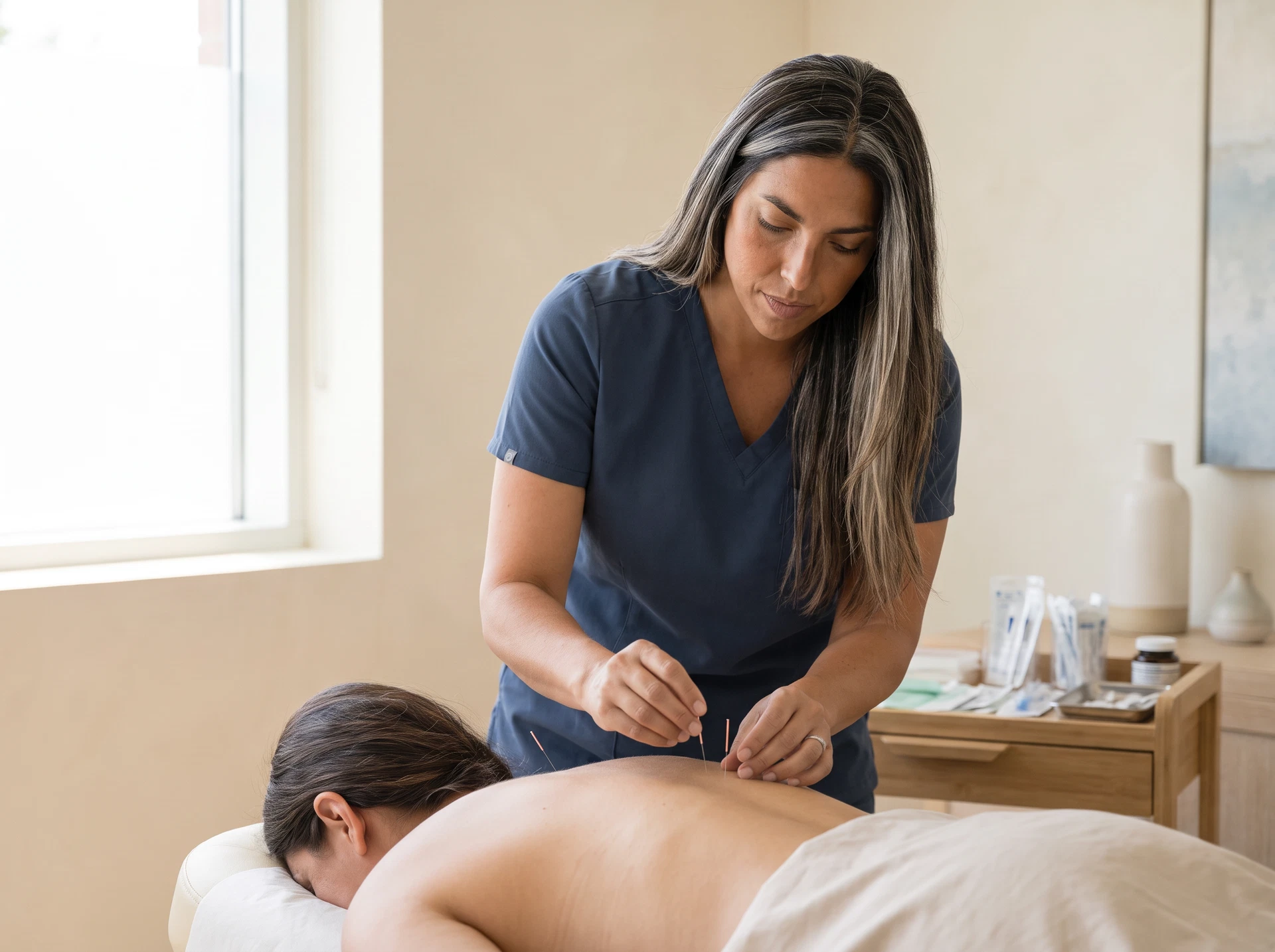
Acupuncture
May help reduce pain, relax muscular tension, improve circulation, regulate the nervous system, and support healthy movement.

Custom Chinese Herbal Medicine
A personalized herbal formula may be recommended when internal patterns such as chronic inflammation, impaired circulation, or persistent tension are contributing.
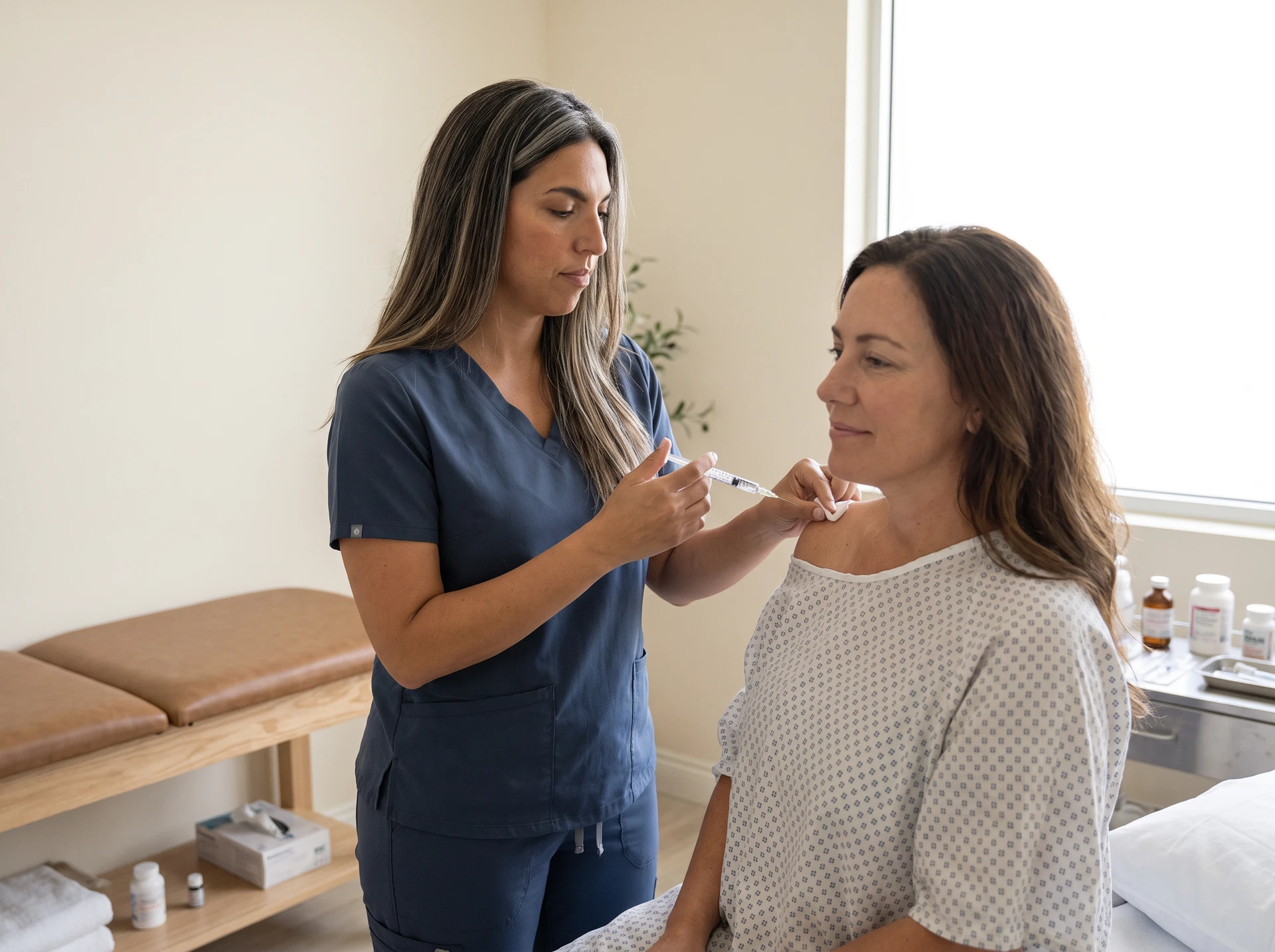
Injection Therapy
May be incorporated when localized muscles, fascia, ligaments, joints, or irritated tissues require more targeted support.
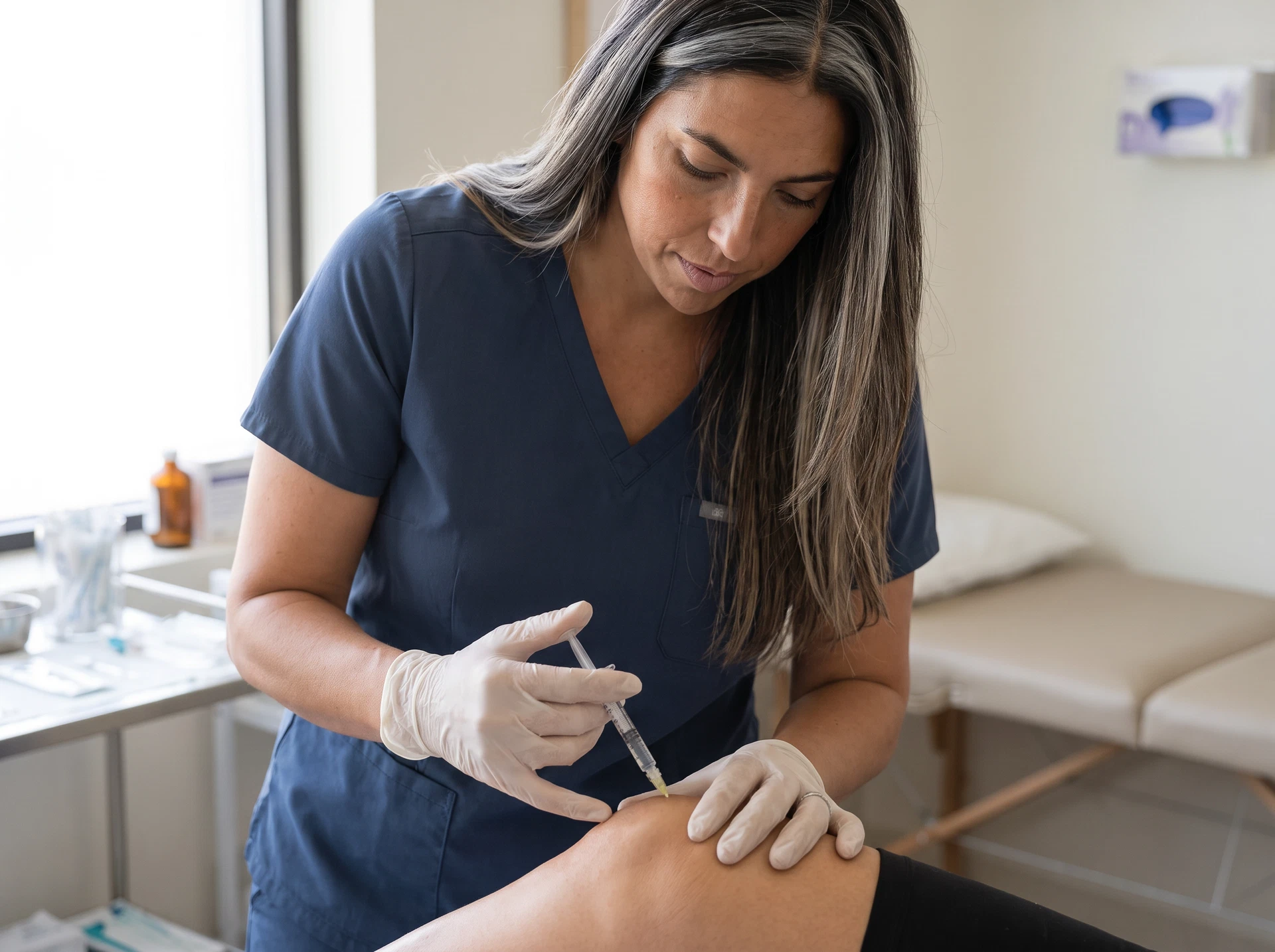
Prolozone Therapy
May be considered when chronic ligament or joint dysfunction is contributing to symptoms and the treatment is clinically appropriate.
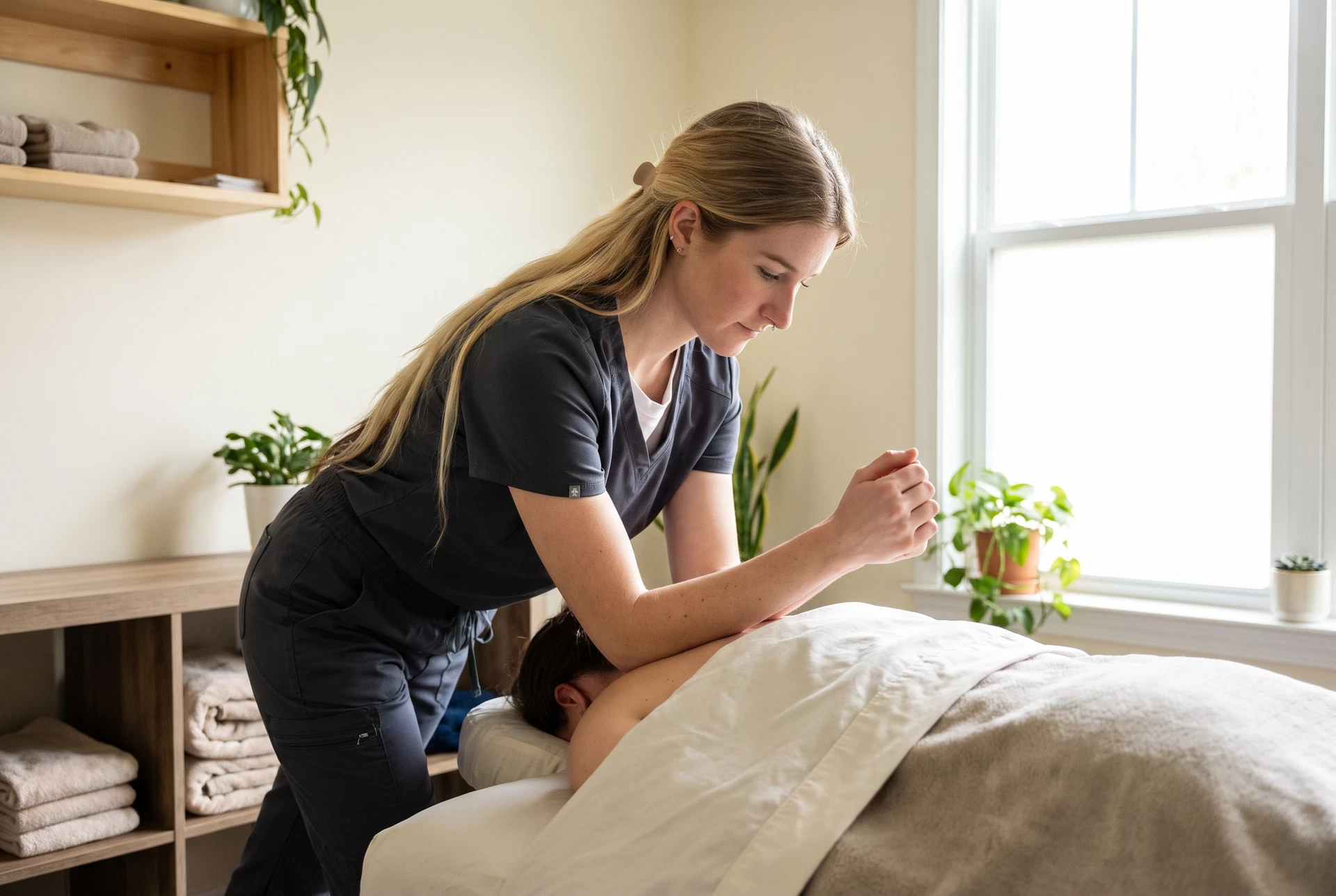
Therapeutic Massage
May help reduce muscular tension, improve mobility, and support recovery when it is appropriate for the diagnosis and stage of healing.
Frequently Asked Questions
Common Questions About Golfer's Elbow
Related Conditions
You May Also Want to Explore

Begin Your Healing Journey
Ready to Use Your Arm Comfortably Again?
Elbow pain can limit the activities you enjoy most. We will listen to your story, evaluate the factors contributing to your symptoms, and create a personalized plan designed to reduce pain, support tissue healing, and restore comfortable arm function.