
Pain & Musculoskeletal Health
Rotator Cuff Injuries
Personalized Care for Rotator Cuff Injuries, Frozen Shoulder, and Shoulder Dysfunction
Overview
Understanding Rotator Cuff Injuries
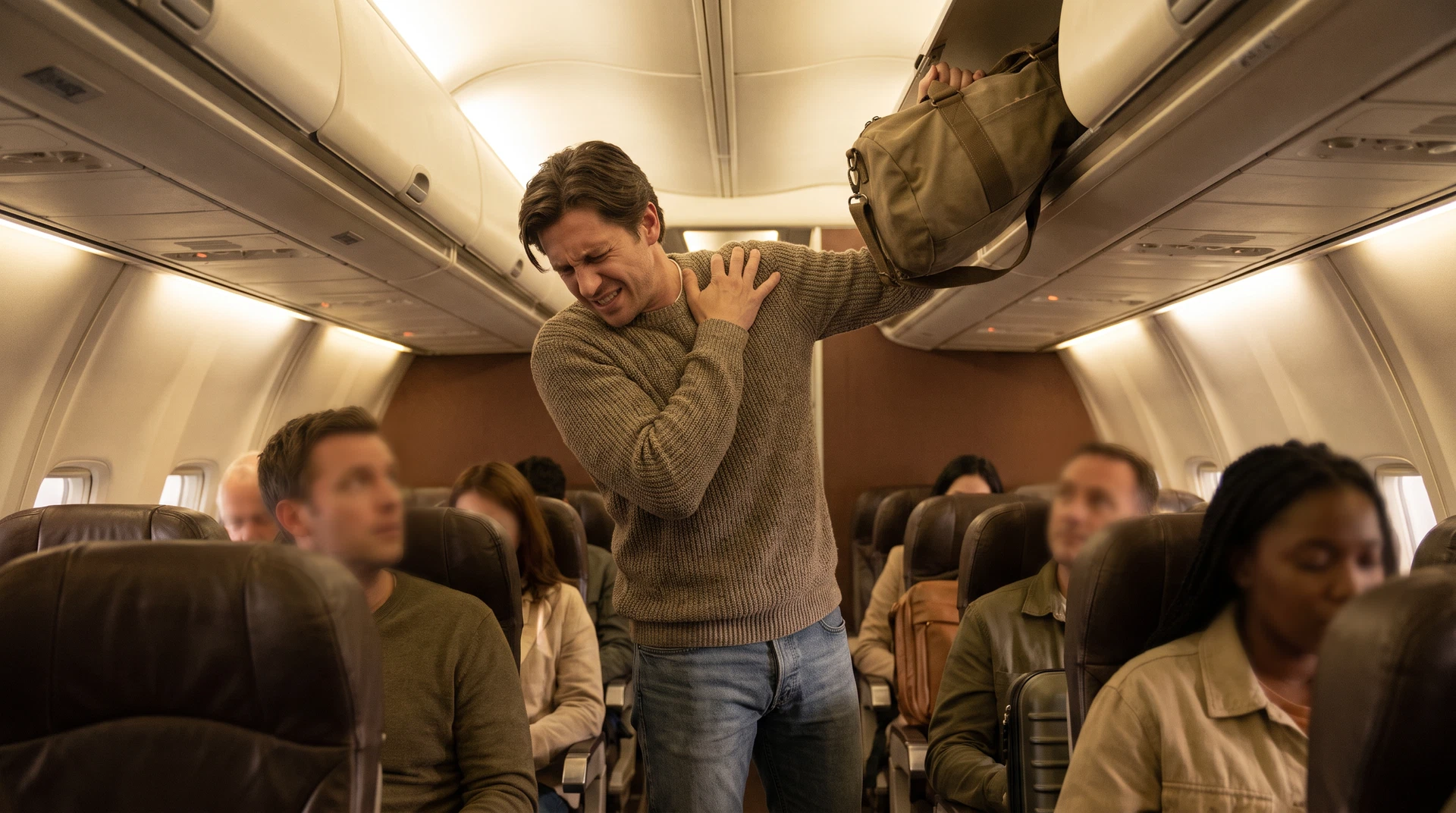
Shoulder pain may involve the rotator cuff, bursa, joint capsule, labrum, biceps tendon, acromioclavicular joint, or the surrounding muscles and fascia. Symptoms may remain localized to the shoulder or travel into the neck, upper back, or arm.
The shoulder's wide range of motion depends on coordinated function of multiple structures. When one or more of these is irritated, injured, or restricted, pain, weakness, and reduced mobility can follow.
Understanding which structures are involved and what is contributing to the pattern helps ensure that treatment is appropriately targeted and individualized.
Symptoms
Common Symptoms of Rotator Cuff Injuries
Symptoms present differently from person to person. The symptoms below are commonly associated with this condition — though not every patient will experience all of them.
Possible Causes
What May Be Contributing to Your Rotator Cuff Injuries
This condition rarely has a single cause. The following factors are commonly involved — and many patients have more than one contributing to their symptoms.
Tendon Injuries
Irritation or injury affecting the shoulder tendons may create pain, weakness, and difficulty lifting the arm.
Bursitis
Inflammation of the cushioning tissues surrounding the joint may contribute to pain with movement.
Arthritis
Joint changes may cause pain, stiffness, reduced mobility, and changes in shoulder function.
Muscle Imbalance
Changes in strength, coordination, or muscular tension may alter normal shoulder movement.
Rotator Cuff Dysfunction
The rotator cuff may contribute to pain, weakness, limited range of motion, and difficulty with overhead activity.
Repetitive Movement
Repeated reaching, lifting, throwing, or overhead work may strain sensitive tissues.
Inflammation
Ongoing inflammation may increase pain and limit comfortable movement.
Previous Trauma
Falls, sports injuries, lifting injuries, or other trauma may affect the joint and surrounding tissues.
Neck & Nerve Involvement
Symptoms originating in the cervical spine or nearby nerves may sometimes be felt in the shoulder or arm.
A Different Framework
The Chinese Medicine Perspective on Rotator Cuff Injuries
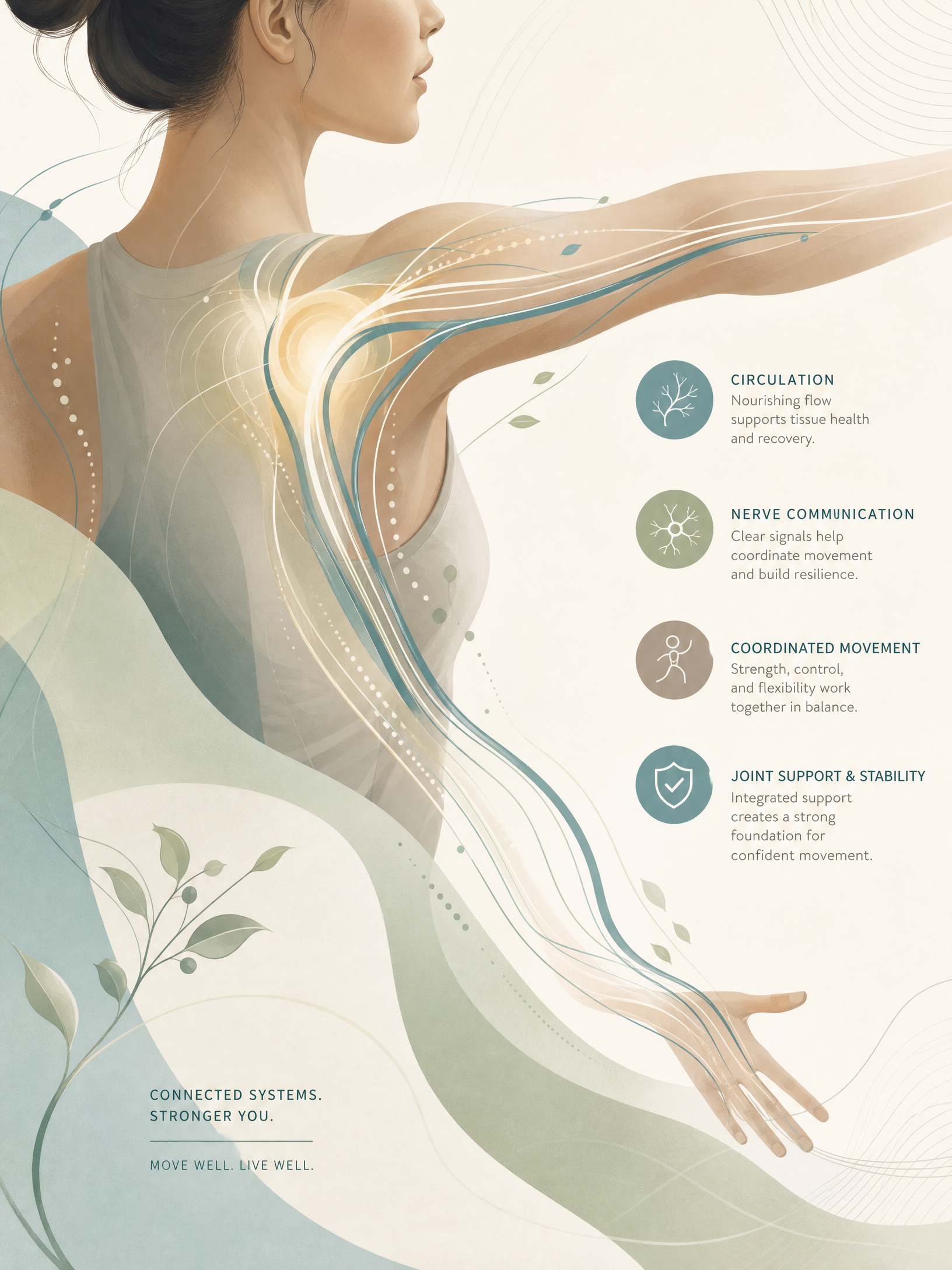
Chinese Medicine understands rotator cuff injuries as a disruption in the normal circulation of Qi and Blood through the channels supplying the shoulder, neck, and arm.
Acute injuries may reflect Qi and Blood Stagnation, while chronic shoulder conditions often involve a combination of impaired circulation, muscular tension, constitutional weakness, or the accumulation of Cold, Dampness, or Heat.
The shoulder is an intersection of several major channels, including those associated with the Large Intestine, Small Intestine, Triple Burner, Lung, and Heart. Symptoms may be influenced by patterns in the neck, upper back, or elsewhere.
Treatment is designed to restore healthy circulation, reduce tension, support tissue healing, and address the underlying pattern contributing to the condition.
Our Approach
How Blue Root Health Approaches Rotator Cuff Injuries
Shoulder pain develops through many different pathways — rotator cuff strain, frozen shoulder, bursitis, labral involvement, joint degeneration, or referred pain from the neck. Our approach is designed to identify what is driving your specific pattern and address it accordingly.
Clarify the Source of Symptoms
We begin by understanding when the pain started, how it behaves, which movements affect it, and whether the rotator cuff, bursa, capsule, joint, or cervical structures may be involved.
Reduce Pain and Restore Comfortable Movement
Initial treatment focuses on reducing pain, releasing muscular tension, calming inflammation, and restoring comfortable range of motion through individualized therapy.
Support Rotator Cuff and Periarticular Tissue Healing
When injury, overuse, or chronic strain is present, treatment may be directed toward circulation, tissue repair, and recovery of the surrounding structures.
Address Frozen Shoulder Patterns
When capsular restriction is present, treatment is designed to restore mobility progressively while managing pain and reducing the inflammatory cycle.
Improve Shoulder Mechanics
Restoring coordinated function between the rotator cuff, scapular stabilizers, and cervical spine can reduce strain and support more comfortable daily movement.
Reduce Recurrence
As symptoms improve, treatment shifts toward maintaining function, supporting resilience, and addressing the movement, posture, or recovery patterns that may contribute to repeated flare-ups.
Therapies
Therapies We May Recommend for Rotator Cuff Injuries
The therapies below are commonly used in the care of Rotator Cuff Injuries at Blue Root Health. Not every therapy is appropriate for every patient — your care plan is individualized based on your specific pattern, diagnosis, and goals.

Acupuncture
May help reduce pain, relax muscular tension, improve circulation, regulate the nervous system, and support healthy movement.

Custom Chinese Herbal Medicine
A personalized herbal formula may be recommended when internal patterns such as chronic inflammation, impaired circulation, or persistent tension are contributing.

Injection Therapy
May be incorporated when localized muscles, fascia, ligaments, joints, or irritated tissues require more targeted support.
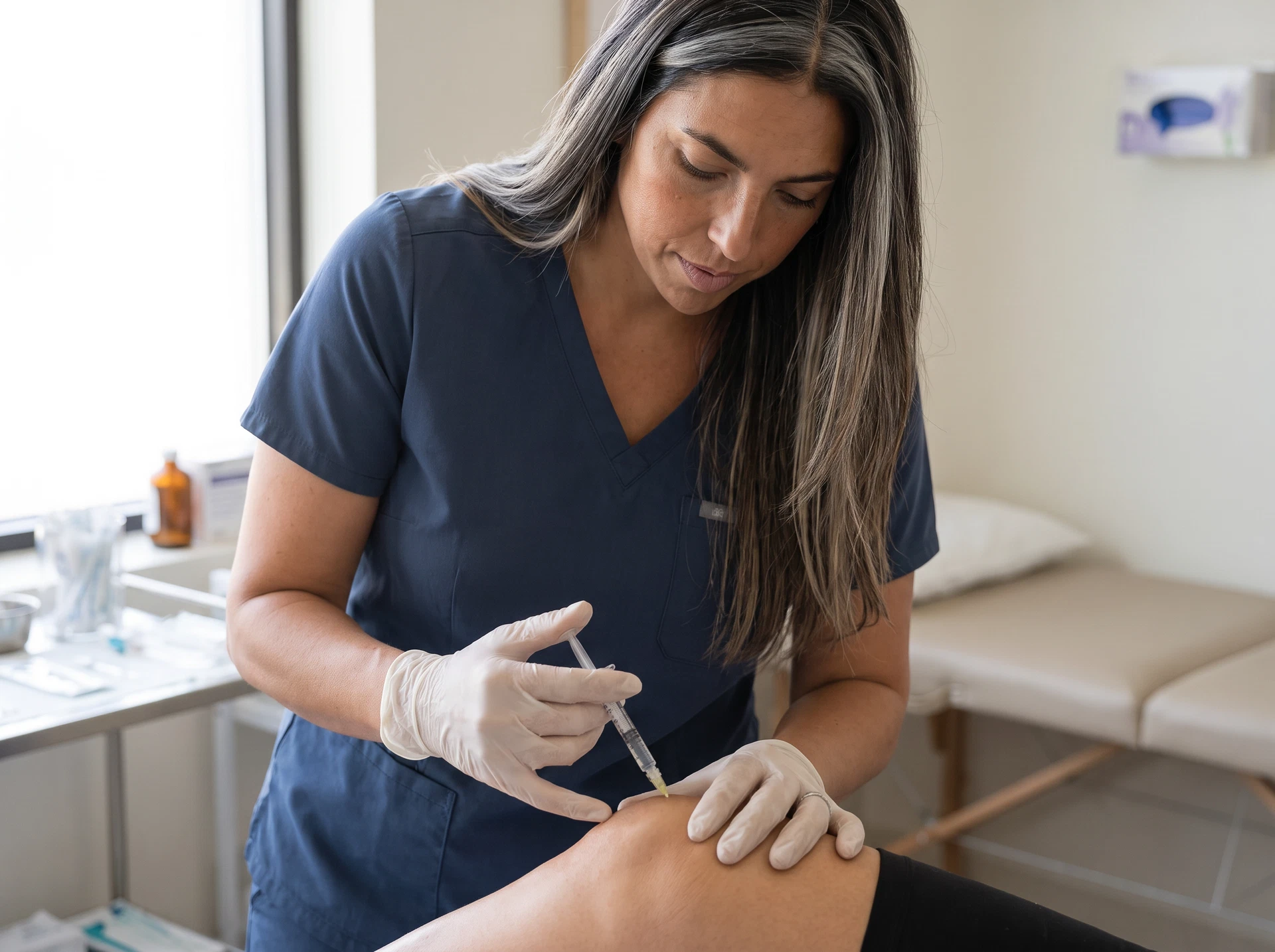
Prolozone Therapy
May be considered when chronic ligament or joint dysfunction is contributing to symptoms and the treatment is clinically appropriate.
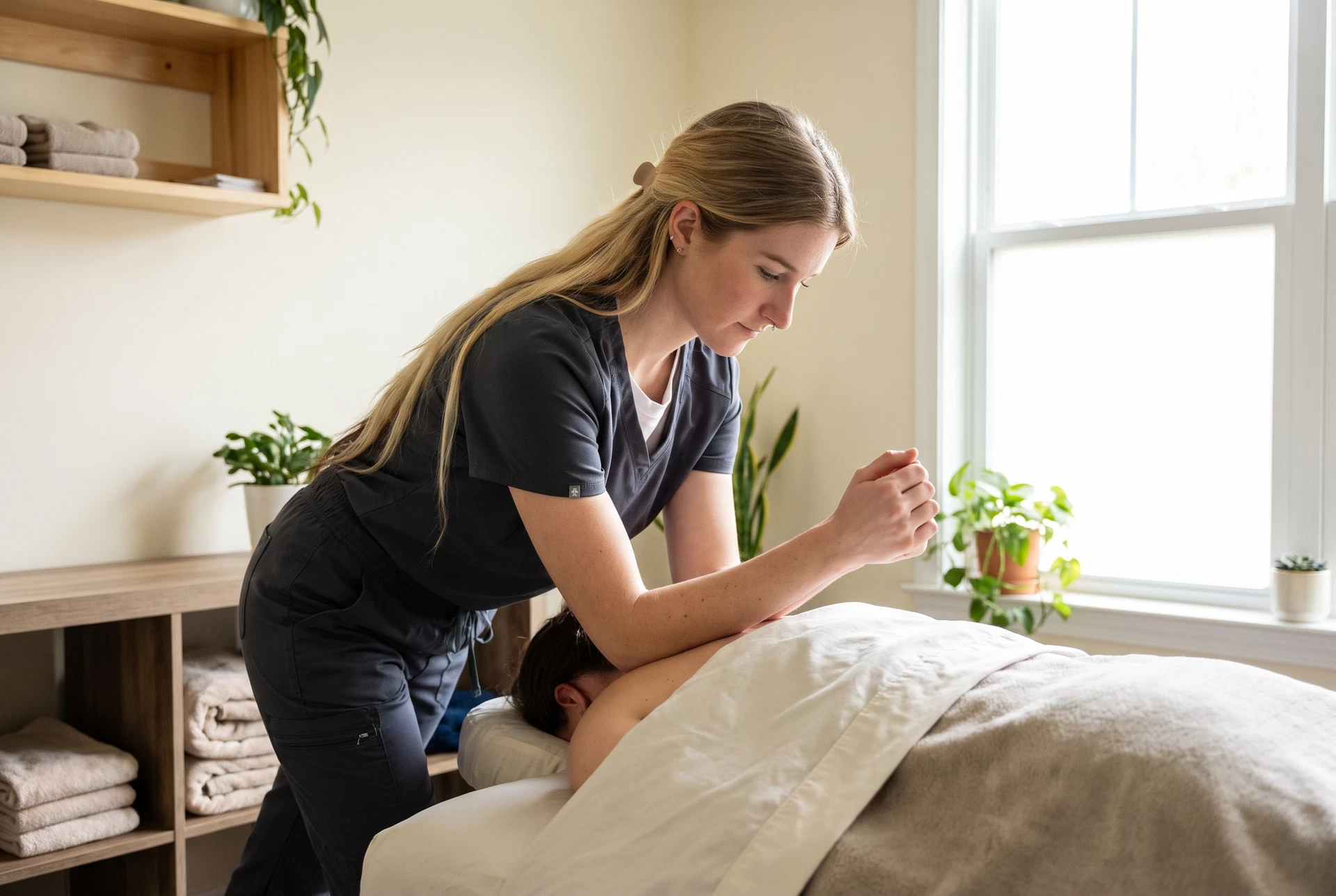
Therapeutic Massage
May help reduce muscular tension, improve mobility, and support recovery when it is appropriate for the diagnosis and stage of healing.
Frequently Asked Questions
Common Questions About Rotator Cuff Injuries
Related Conditions
You May Also Want to Explore

Begin Your Healing Journey
Ready to Move Your Shoulder Comfortably Again?
Whether your rotator cuff injuries began recently or has been limiting you for years, the first step is understanding what is contributing to it. We will listen to your story, evaluate your symptoms, and create a personalized plan designed to reduce pain, restore movement, and support lasting recovery.