

Immune & Inflammation Health
Long COVID
Individualized Support for Persistent Symptoms After COVID‑19
Overview
Understanding Long COVID
Long COVID, also known as Post‑Acute Sequelae of SARS‑CoV‑2 (PASC), describes symptoms that continue or newly appear after the initial infection has resolved. Fatigue, brain fog, shortness of breath, sleep disturbance, pain, and autonomic symptoms may fluctuate and affect daily life.
Our goal is to understand your unique pattern, reduce symptom burden, and help you safely regain capacity. We prioritize pacing, autonomic regulation, restorative sleep, and gentle rehabilitation based on your tolerance and stage of recovery.
Multiple systems may be involved, including immune, neurologic, respiratory, cardiovascular, and gastrointestinal function. Because no two cases are the same, an individualized evaluation helps clarify which factors are contributing to your symptoms and how to support recovery without triggering setbacks.
Care may include acupuncture, customized Chinese herbal formulas, targeted injections when indicated for specific pain generators, therapeutic bodywork, breathwork guidance, and collaboration with your primary and specialty providers for comprehensive support.
Symptoms
Common Symptoms
Post-Exertional Malaise (PEM)
Worsening of symptoms after physical, cognitive, or emotional exertion, often delayed by 12–48 hours and lasting days or longer.
Persistent Fatigue
Unrefreshing tiredness that is disproportionate to activity and not relieved by sleep or rest.
Shortness of Breath
Breathlessness, air hunger, or chest tightness at rest or with minimal exertion.
Brain Fog
Difficulty with focus, memory, word-finding, processing speed, and multitasking.
Autonomic Symptoms
Dizziness, lightheadedness, fast heart rate, orthostatic intolerance, or symptoms consistent with POTS.
Sleep Disturbance
Non-restorative sleep, insomnia, fragmented sleep, or altered sleep-wake cycles.
Headaches & Migraines
New or worsened headaches, pressure, or migraine patterns.
Pain
Muscle aches, joint pain, chest wall discomfort, nerve pain, or sore throat.
Cough & Throat Irritation
Persistent cough, hoarseness, throat clearing, or sensitivity to environmental triggers.
Smell or Taste Changes
Reduced, altered, or distorted smell or taste that may fluctuate over time.
Gastrointestinal Symptoms
Nausea, bloating, altered bowel habits, or abdominal discomfort.
Mood Changes
Anxiety, low mood, irritability, or stress sensitivity related to ongoing symptoms.
Possible Causes & Risk Factors
What May Contribute
Post-Viral Inflammation
Immune activation and inflammatory signaling may persist after the acute infection, contributing to multi-system symptoms.
Dysautonomia
Imbalance in the autonomic nervous system may affect heart rate, blood pressure, temperature regulation, digestion, and energy.
Microvascular & Endothelial Dysfunction
Changes to the small blood vessels may impact tissue oxygenation and contribute to fatigue, brain fog, and exercise intolerance.
Immune Dysregulation
Altered immune responses may drive ongoing symptoms, sensitivity to triggers, or reactivation of latent viruses in some individuals.
Mitochondrial/Energy Metabolism Changes
Disruption in cellular energy production may contribute to disproportionate fatigue and post-exertional symptom exacerbation.
Mast Cell Activation
In some patients, mast cell–mediated responses may contribute to fatigue, brain fog, skin symptoms, and sensitivity to foods or environments.
Viral Persistence (Hypothesis)
Ongoing viral fragments or reservoirs have been proposed as a contributor for some cases, though this remains an area of active research.
Sleep Disruption
Disturbed sleep patterns may worsen pain, cognition, mood, and daytime function.
Deconditioning & Activity Mismatch
Activity patterns that exceed the current energy envelope may perpetuate crashes and slow recovery.
Pre-Existing Conditions
Asthma, migraines, autoimmune conditions, metabolic issues, or prior concussions may influence symptom patterns.
The Chinese Medicine Perspective
A Different Way of Understanding
Chinese Medicine views Long COVID as a pattern involving disruption to the free flow of Qi and Blood with residual pathogenic factors such as lingering Heat, Damp, or Phlegm obstructing healthy function.
Common presentations include Lung and Spleen Qi deficiency with Dampness, Phlegm obstructing the channels that affects clarity and breathing, and Blood or Qi stagnation contributing to pain and brain fog. The heart-mind (Shen) may be unsettled, influencing sleep and mood.
Treatment is individualized to clear lingering obstructions, restore healthy circulation, support the Lung and Spleen, calm the nervous system, and gently rebuild resilience—always aligned with your current capacity to avoid post-exertional symptom flares.
How Blue Root Approaches Long COVID
Our Approach
Map Your Symptom Pattern
We take time to understand your history, triggers, PEM patterns, autonomic symptoms, sleep, breathing, pain, and cognitive concerns.
Pace & Protect the Energy Envelope
We help establish sustainable routines, rest strategies, and gentle activity progressions to minimize post-exertional crashes.
Regulate the Autonomic Nervous System
Treatment may target sympathetic overactivity and support vagal tone through acupuncture, breathwork, and lifestyle strategies.
Reduce Inflammation & Support Circulation
Care may focus on calming inflammatory drivers and improving microcirculatory flow to support brain and muscle function.
Restore Sleep & Cognitive Resilience
Interventions are chosen to improve sleep quality and support clarity, processing speed, and attention.
Support the Lungs & Breathing Mechanics
We may incorporate breath training, postural strategies, and gentle mobility to improve comfort and capacity.
Address Digestive & MCAS Patterns
When symptoms suggest gut or mast-cell involvement, we tailor recommendations and formulas accordingly.
Coordinate Care Safely
We collaborate with primary and specialty care when needed, respecting medications, sensitivities, and comorbidities.
Individualize & Adjust Over Time
Plans evolve with your progress, emphasizing meaningful, measurable changes without overloading your system.
Therapies We May Recommend
Personalized Treatment

Acupuncture
May help regulate autonomic balance, reduce pain and inflammation, support sleep, and improve overall energy stability without provoking post-exertional symptoms.

Custom Chinese Herbal Medicine
A tailored formula may address patterns such as Damp/Phlegm, residual Heat, Lung and Spleen Qi deficiency, sleep disturbance, or gentle immune regulation.

Injection Therapy
When discrete pain generators (myofascial trigger points or joint irritation) contribute to symptoms, targeted injections may be considered to reduce local pain and muscular guarding.
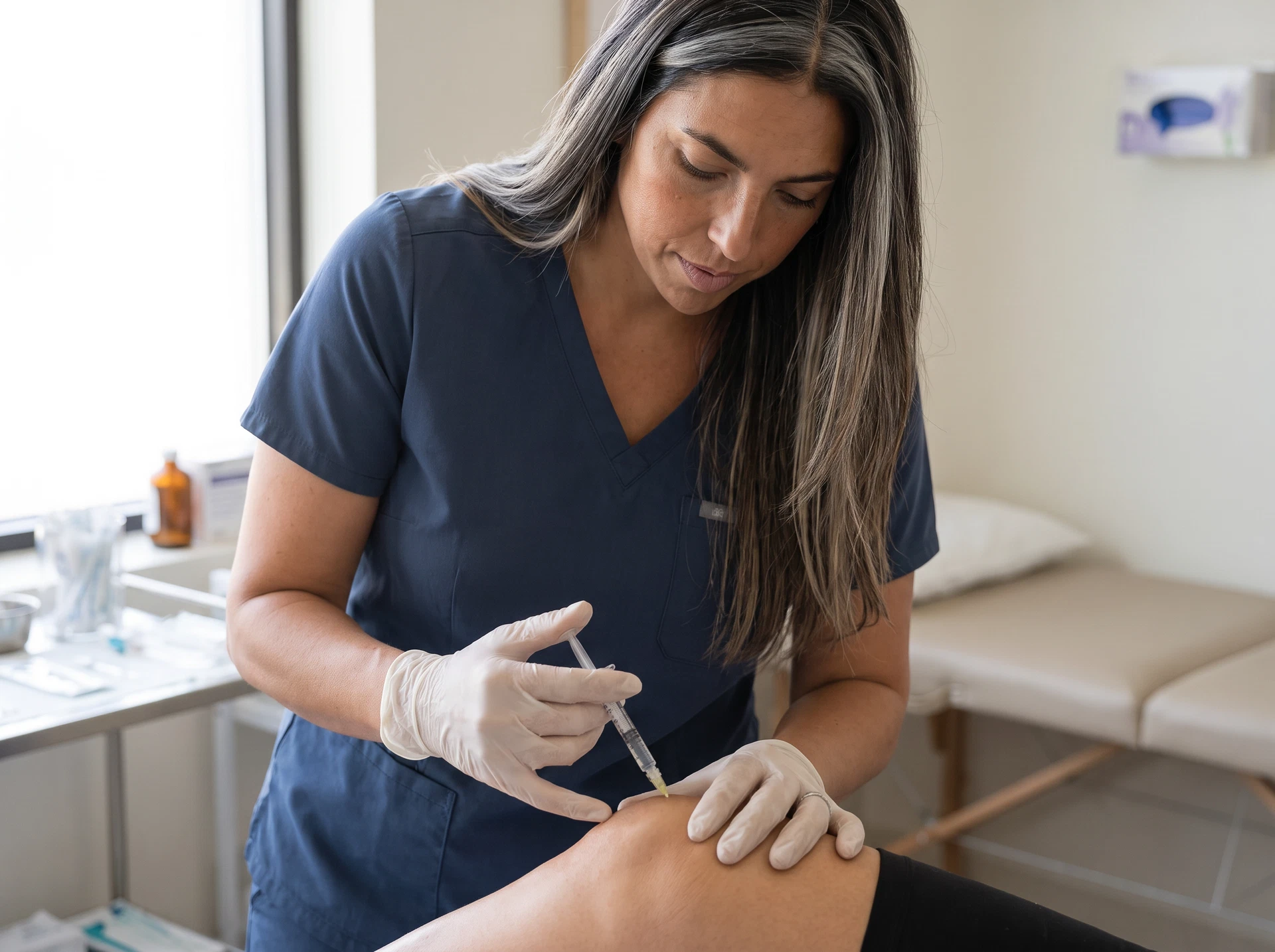
Prolozone Therapy
In select cases of chronic joint or ligament dysfunction, prolozone may be considered to support stability and comfort. It is not appropriate for every Long COVID presentation.
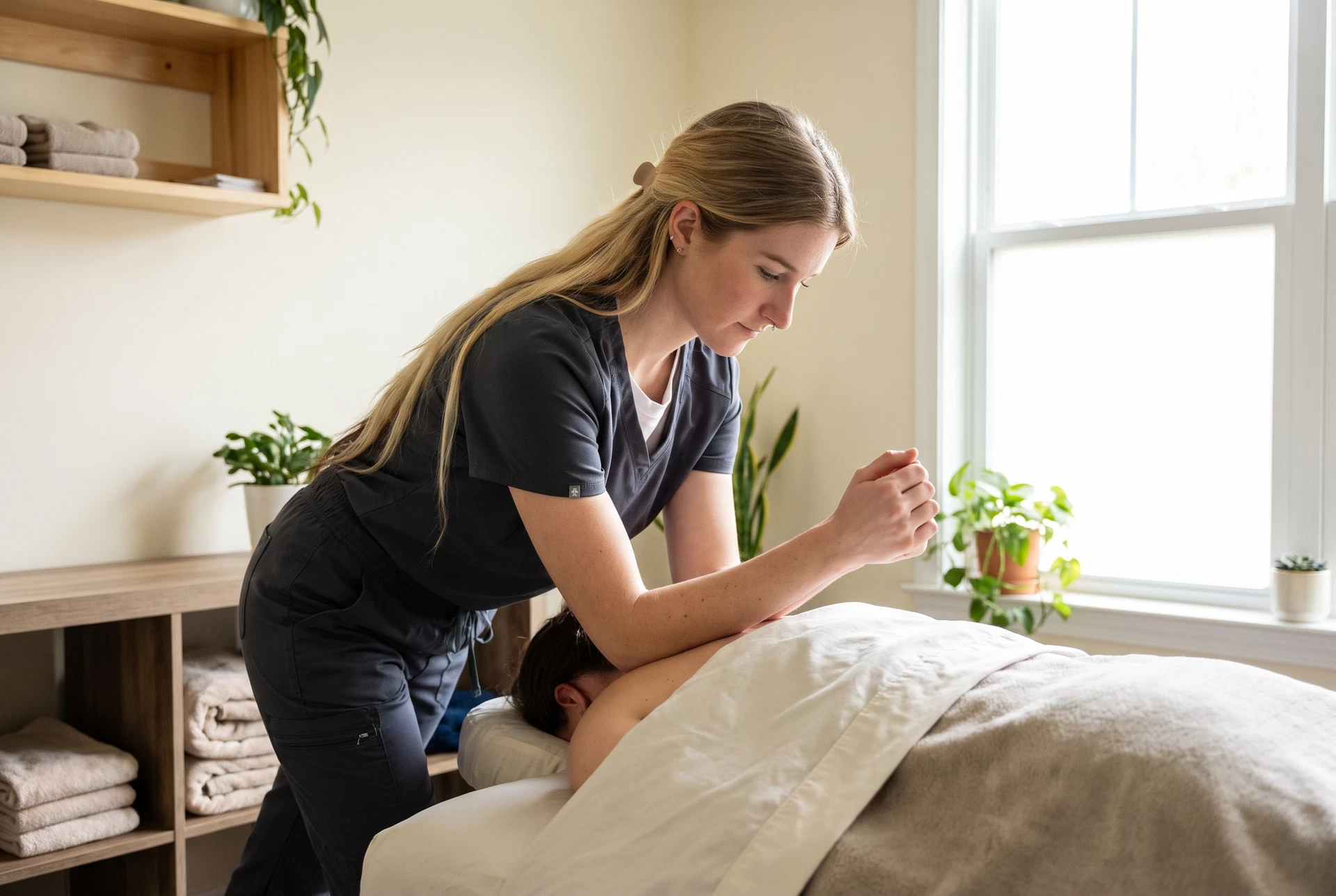
Therapeutic Massage
Gentle techniques may help reduce muscular tension, support circulation, and improve comfort. Intensity is adjusted to avoid triggering post-exertional symptom flares.
Frequently Asked Questions
Common Questions
Related Conditions

Steady Steps Toward Recovery
Long COVID can affect energy, breathing, cognition, sleep, and the confidence to plan your day. We will listen to your story, pace care to your capacity, and design an integrative plan to reduce symptoms, stabilize energy, and support sustainable progress.
Schedule Your Consultation