
Infections & Immune Health
Lyme Disease
Comprehensive Integrative Support for Tick-Borne Illness and Post-Treatment Symptoms
Overview
Understanding Lyme Disease
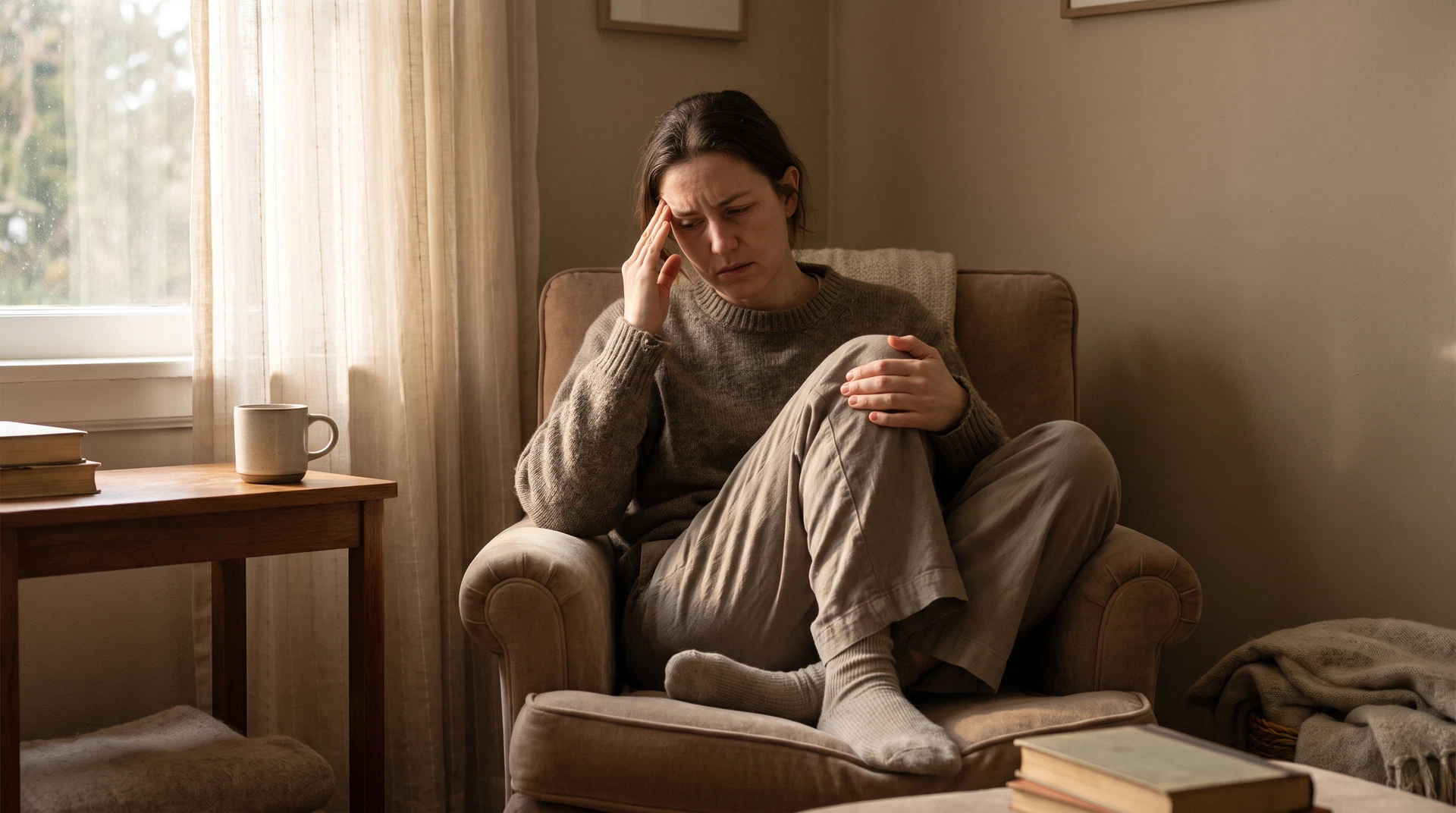
Lyme disease is a tick-borne infection most commonly caused by Borrelia burgdorferi. Early signs may include an expanding rash (erythema migrans), fever, chills, sweats, fatigue, and body aches. As the condition evolves, joint pain or swelling, neurologic symptoms, and changes in sleep, cognition, or mood may appear.
At Blue Root Health, we take an integrative approach that supports the body’s healing while coordinating with your medical team. When antibiotics or other conventional treatments are indicated, we encourage you to follow your prescribing provider’s plan and use our therapies to complement, not replace, appropriate medical care.
Because symptoms can vary widely from person to person, our evaluation focuses on your individual history, exposure risks, stage of recovery, and the full pattern of symptoms. We aim to reduce pain and inflammation, support immune regulation, improve sleep and energy, and help restore daily function.
Whether you’re addressing early infection, navigating lingering symptoms after treatment, or seeking support for coinfections, care is personalized to your needs and adjusted as your health changes over time.
Symptoms
Common Symptoms
Erythema Migrans (Rash)
An expanding, often 'bull's-eye'–appearing rash at the site of the tick bite; may feel warm but is usually not painful or itchy.
Flu-like Symptoms
Fever, chills, sweats, body aches, and malaise that resemble a viral illness.
Fatigue
Persistent tiredness that may not improve with rest and can fluctuate in intensity.
Joint Pain & Swelling
Intermittent or persistent pain, often affecting the knees and other large joints.
Migratory Aches
Shifting pain or stiffness in muscles and joints that may change location over days or weeks.
Headache & Neck Stiffness
Pressure, pain, or stiffness that can occasionally indicate irritation of the meninges and warrants medical attention.
Numbness or Tingling
Altered sensation, pins-and-needles, or heightened sensitivity in the face, hands, or feet.
Facial Palsy
Weakness on one or both sides of the face (Bell’s palsy) that may develop suddenly.
Cognitive Difficulties
Memory lapses, word-finding challenges, slowed processing, or difficulty concentrating ('brain fog').
Heart Palpitations or Dizziness
Sensation of skipped beats, lightheadedness, or changes in heart rhythm that require medical evaluation.
Sleep Disturbance
Insomnia, non-restorative sleep, frequent waking, or vivid dreams.
Mood Changes
Irritability, anxiety, or low mood that may be related to illness burden and disrupted sleep.
Possible Causes & Risk Factors
What May Contribute
Tick Exposure in Endemic Areas
Bites from infected blacklegged ticks (Ixodes species) that carry Borrelia burgdorferi or related species.
Outdoor Activities in Wooded/Grassy Habitats
Hiking, gardening, or working in brush or leaf litter where ticks are common.
Late Spring Through Early Fall
Higher tick activity and nymph stages that are smaller and more difficult to see.
Inadequate Personal Protection
Not using repellents or permethrin-treated clothing, or lack of protective clothing in tick-dense areas.
Delayed or Incomplete Tick Removal
Longer tick attachment times may increase the likelihood of transmission.
Coinfections
Other pathogens transmitted by ticks (e.g., Babesia, Bartonella, Anaplasma) may complicate the symptom picture and recovery.
Delayed Diagnosis or Treatment
Symptoms that go unrecognized or untreated may persist or evolve over time.
Immune Dysregulation or Underlying Health Factors
Preexisting stress, poor sleep, nutritional gaps, or other health conditions may influence symptom severity and duration.
Pets & Peridomestic Exposure
Ticks carried into the home environment on pets or clothing.
The Chinese Medicine Perspective
A Different Way of Understanding
In Chinese Medicine, Lyme-related symptoms are often viewed through patterns such as Wind, Dampness, Heat, and occasionally Cold that obstruct the flow of Qi and Blood. This can resemble a “painful obstruction” (Bi) pattern and may linger after the initial illness if the body’s defenses are taxed.
The specific combination of pain, fatigue, cognitive changes, and sleep disturbance helps identify the channels and organs most involved. Some patients show signs of Damp-Heat with inflammation and heaviness, while others reflect underlying deficiencies of Qi, Blood, or the Liver–Kidney system that impact resilience and recovery.
Treatment is individualized. Strategies may include moving Qi and Blood, resolving Dampness or lingering Heat, calming the nervous system, and strengthening the body’s defenses. The goal is to improve comfort, restore function, and support the body’s capacity to heal alongside appropriate conventional care.
How Blue Root Approaches Lyme Disease
Our Approach
Clarify the Clinical Picture
We review your history, exposure, symptom timeline, and testing to understand stage, coinfection considerations, and red flags requiring medical evaluation.
Coordinate with Your Medical Team
We encourage appropriate diagnostics and conventional therapy (including antibiotics when indicated) and align supportive care with your clinician’s plan.
Reduce Pain, Inflammation, and Flares
Care focuses on calming irritated tissues, easing joint and muscle discomfort, and supporting a steadier recovery.
Support Immune Regulation & Resilience
Individualized strategies may include acupuncture, herbs, nutrition, and lifestyle approaches that help modulate inflammation and promote restorative sleep.
Address Sleep, Stress, and Energy
We work to improve sleep quality, stress tolerance, and daily energy—factors that significantly influence symptom severity and healing.
Create an Individualized Plan
Recommendations are based on your presentation, lab context, response to care, and goals, with pacing and adjustments as you progress.
Therapies We May Recommend
Personalized Treatment

Acupuncture
May help reduce pain, calm the nervous system, support circulation, and improve sleep and energy while addressing the Chinese Medicine pattern contributing to your symptoms.

Custom Chinese Herbal Medicine
A personalized formula may be recommended to support immune regulation, clear lingering Damp-Heat patterns, reduce inflammation, and address fatigue, sleep, or neuropathic discomfort.

Injection Therapy
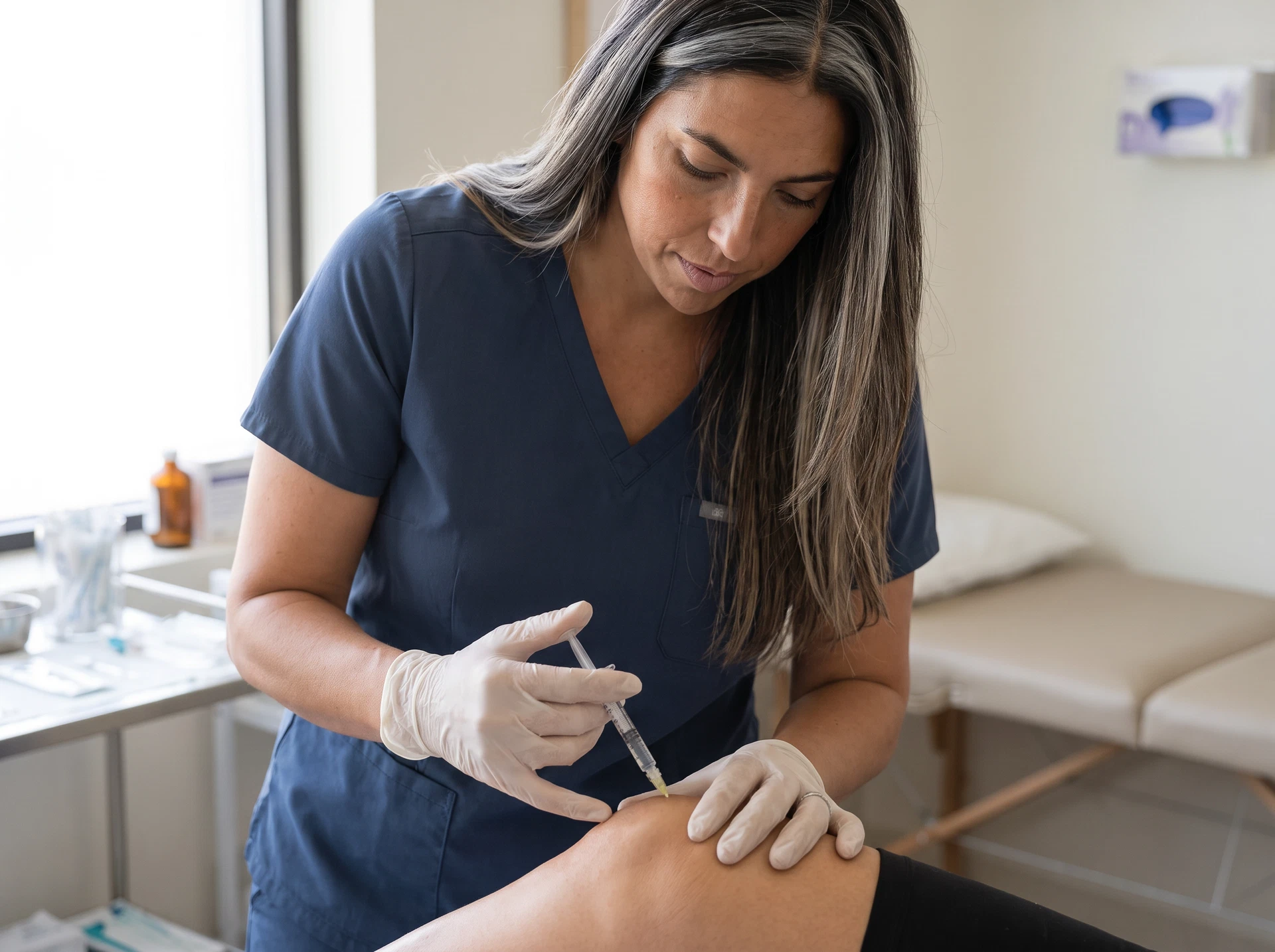
When appropriate, targeted Injection Therapy may be considered for specific muscular, tendon, or joint areas to relieve focal pain related to Lyme-associated musculoskeletal symptoms.
Prolozone Therapy
In select cases with persistent joint dysfunction or ligamentous irritation, Prolozone may be considered as part of a broader plan. It is not necessary or appropriate in every case.
Therapeutic Massage
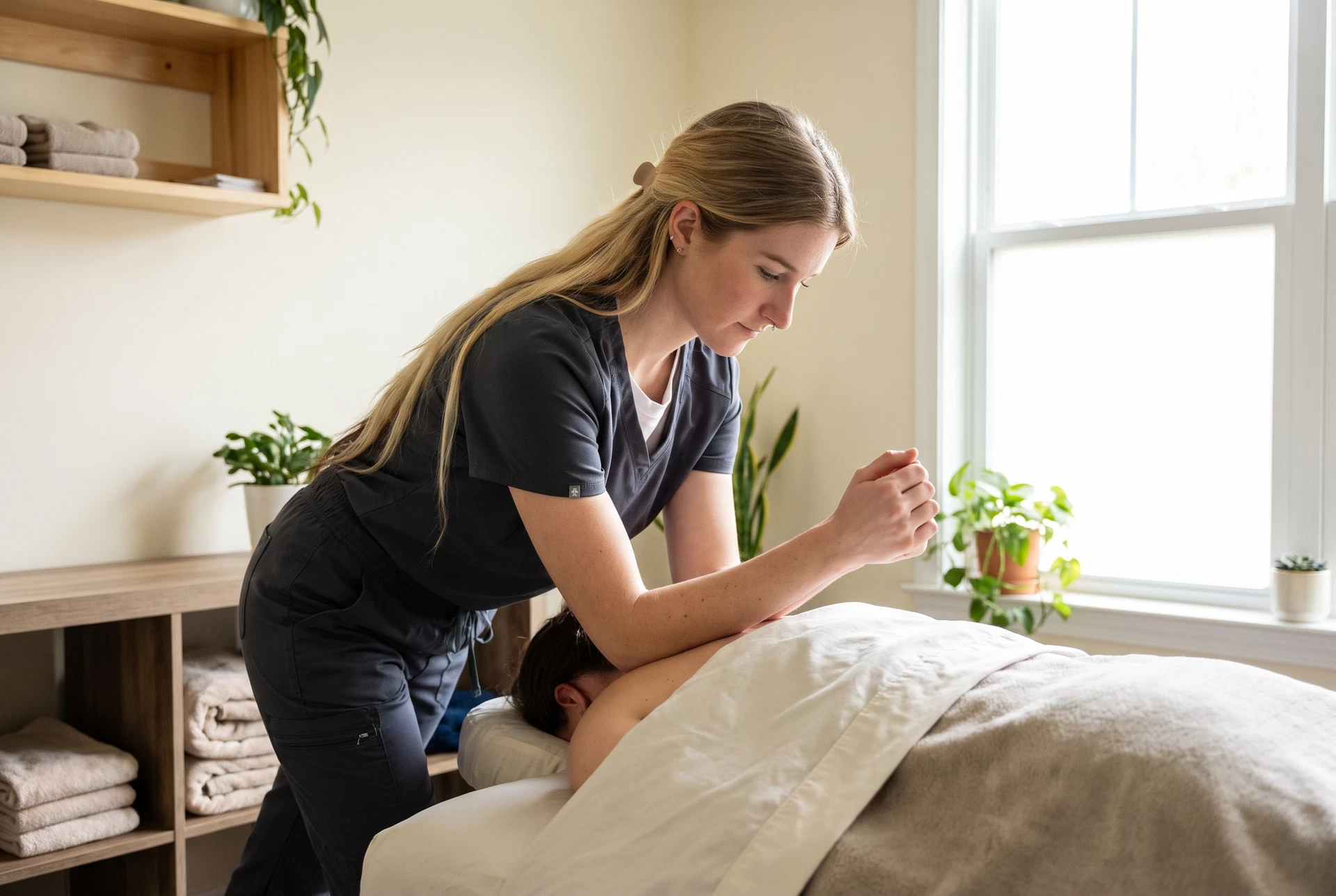
May help reduce muscular tension, support circulation, and ease movement limitations associated with pain and prolonged guarding.
Frequently Asked Questions
Common Questions

Move Toward Recovery
Lyme-related symptoms can affect energy, sleep, focus, and the ease of everyday movement. We will listen to your story, coordinate with your medical team, and create a personalized plan designed to reduce pain and inflammation, support immune balance, and restore daily function.
Schedule Your Consultation