
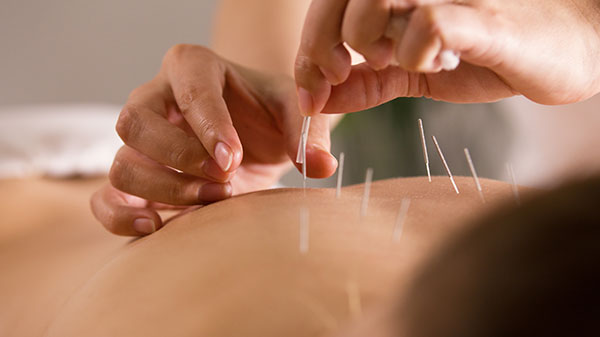
What Acupuncture Feels Like: A Guide For First-Time Patients
June 21, 2025
Touch, Breath, Energy: Creating Your Holistic Wellness Ritual at Blueroot
July 6, 2025
When someone mentions a massage, many people picture a quiet room, soft lighting and a chance to unwind. While relaxation is an important part of the experience, massage can also play a therapeutic role in supporting pain relief, mobility and recovery. At Blueroot Health, we offer both therapeutic and relaxation massage, each designed with different goals in mind. Understanding the difference can help you choose the approach that supports your needs.
Here is a closer look at both styles and how they can help.
What is a relaxation massage
Relaxation massage, also commonly known as Swedish massage, is the style most associated with a peaceful spa setting. Its purpose is to calm the nervous system and offer full-body relaxation. Research shows that Swedish massage techniques influence physiological responses that support rest and recovery. You can read more here: Physiological effects of Swedish massage.
Relaxation massage typically involves:
• gentle to medium pressure
• long, flowing strokes
• rhythmic techniques that support circulation
• a focus on overall calm rather than specific pain points
The environment plays a big part in helping you settle. A warm room, soft lighting and unhurried movements encourage your body to shift into its rest and digest state. Many clients feel their mind quieten and may even drift into sleep.
What is a therapeutic massage
Therapeutic massage is more targeted. While still relaxing, its aim is to address specific concerns such as chronic pain, muscle tightness or limited mobility. The techniques used depend on your symptoms and goals.
Therapeutic massage may include:
• deep tissue work to release stubborn knots
• trigger point therapy to ease referred pain
• myofascial release to improve mobility
• stretching or mobilisation to support joint function
Research supports the effectiveness of massage therapy for pain management and recovery from musculoskeletal issues. You can read more here: Use of massage therapy for pain.
Some areas may feel more intense if the therapist is working on deeper tension, but the experience should never feel uncomfortable. Communication during the session ensures the pressure and techniques feel right for your body.
Which one should you choose
The best massage depends on what you hope to achieve.
Choose relaxation massage if:
• you want to reduce stress and tension
• you need mental or emotional rest
• you are new to massage
• your goal is full-body relaxation
Choose therapeutic massage if:
• you have ongoing pain or tightness
• you are recovering from injury or surgery
• you have limited mobility or postural tension
• you need targeted support for specific areas
Relaxation massage is ideal for unwinding, while therapeutic massage is suited to deeper physical needs.
Can your massage be both
Yes. Many sessions blend both approaches. You may begin with targeted work on a specific problem area and then transition into soothing strokes to calm the whole body. This hybrid method allows your therapist to support your immediate concerns while helping you feel rested and balanced.
Understanding pressure levels
More pressure does not always equal better results. Relaxation massage uses lighter strokes to ease general tension. Therapeutic massage may use firmer pressure for targeted relief, but it should still feel safe and manageable.
Massage has been shown to ease muscle stiffness and improve comfort by affecting both the muscles and the nervous system. You can read more here: Massage therapy and muscle tension.
If any technique feels uncomfortable, you can let your therapist know so the pressure can be adjusted.
Preparing for your massage
Every session at Blueroot Health begins with a personalised consultation. Your therapist will explore your health history, symptoms and goals to tailor the session to your needs.
On the day of your massage, you will enter a warm, comfortable treatment room. You can undress to your level of comfort and lie under a blanket on a heated table. After the massage, it is normal to feel relaxed, reflective or slightly emotional if deep tension has been released. Drinking water and taking time to rest can help you maintain the benefits.
Making the right choice for you
The best massage is the one that supports your current needs, whether that means easing stress, reducing pain or restoring movement. If you are unsure which type is best for you, our team at Blueroot Health can guide you and help you make an informed choice.
Ready to take the next step in your wellbeing journey
Explore our massage therapy services and book a session tailored to your needs. We are here to help you feel your best.
Sources
- Field, T., et al. (2013). Physiological effects of Swedish massage: Preliminary analysis of fundamental techniques. ResearchGate.
https://www.researchgate.net/publication/255729516_Physiological_Effects_of_Swedish_Massage_A_Preliminary_Analysis_of_the_Fundamental_Techniques - Yuan, S., et al. (2023). Use of massage therapy for pain: A systematic review. Pain Medicine.
https://pubmed.ncbi.nlm.nih.gov/39008297/ - Mohammadi, A., et al. (2021). Effects of massage on pain, stiffness and fatigue. Multiple Sclerosis Journal – Experimental, Translational and Clinical.
https://journals.sagepub.com/doi/10.1177/20552173211022779
